









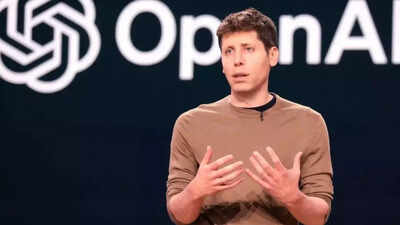
OpenAI has picked up a new problem in Washington, and it arrived in the form of a single hire. Senior Trump administration officials say Sam Altman‘s company put its standing with the government at risk when it brought on Dean Ball as head of strategic futures, according to a New York Post report published Monday. Ball is the same policy hand the Pentagon’s AI chief, Emil Michael, publicly wrote off as the AI world’s “supreme village idiot.“The friction is not new, but the job title made it louder. Three White House officials, speaking to the Post anonymously, described Ball as a junior-to-mid-level policy analyst whose suggestions were routinely passed over, and said he never held a security clearance. That matters because Ball’s own website credits him as the primary staff drafter of America’s AI Action Plan. One official called that claim about as far from reality as it gets.
Why the White House is disputing Dean Ball’s role in Trump’s AI Action Plan
Ball, 34, spent roughly four months at the White House Office of Science and Technology Policy last year before leaving in August. He then became one of the administration’s sharper critics from the outside, with stops at the Foundation for American Innovation and the AI policy nonprofit Fathom.His defenders push back hard. Fathom CEO Andrew Freedman told the Post that anyone denying Ball’s role in shaping the Action Plan is rewriting history. A source close to Ball pointed to a blueprint he wrote soon after the 2024 election, which floated chip export controls, a rewrite of NIST’s AI Risk Management Framework, and automated research labs. Much of that turned up in the final plan.
The Kimi K3 post on Chinese open-source AI that set off the row
The blowup last month started with a long post on X about Kimi K3, the open-source model from Beijing-based Moonshot AI that claims performance close to OpenAI’s and Anthropic’s best. Ball argued that open models winning out over the long run leads to something like full AI communism, and predicted the administration would eventually decide its smartest play was manufacturing regulatory risk around Chinese open models.White House AI czar David Sacks read that as a bid for regulatory capture and said turning regulatory uncertainty into a competitive weapon should be off limits. Michael followed with a jab about the gap between Ball’s actual IQ and his perceived one, which he pegged at 40 points.What stung, maybe, is that Ball wasn’t far off. The New York Times reported this month that senior officials had been weighing sanctions, a trade blacklist, even barring US cloud firms from working with Chinese open-model makers, before backing off after pushback from Silicon Valley led by Nvidia’s Jensen Huang.OpenAI has not distanced itself. The company pointed to a June post from chief strategy officer Jason Kwon welcoming Ball and noting that disagreement is the point, and said his work is research, not lobbying. Administration officials told the Post they still want to work with OpenAI and with Altman personally. They just wish this particular colleague would stop posting.