





A lake restoration project in Pennsylvania that began with a difficult wildlife rescue has now reached a hopeful milestone. In 2025, Crystal Lake in Carsonia Park was drained as part of a dredging project aimed at removing years of built-up sediment and waste. The change exposed a muddy lakebed where turtles and other wildlife had been living, leaving many animals dead and others struggling to survive. According to Aark Wildlife Rehabilitation and Education Center and the Pennsylvania Fish and Boat Commission, the lake was drained for dredging in 2025, after which local residents and wildlife rescuers stepped in to save surviving turtles. After months of care, including the incubation of musk turtle eggs, 49 musk turtles were released back into Crystal Lake on September 27, 2026, marking an important step in the lake’s recovery.
A lake buried under years of sediment
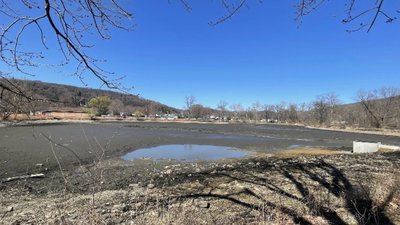
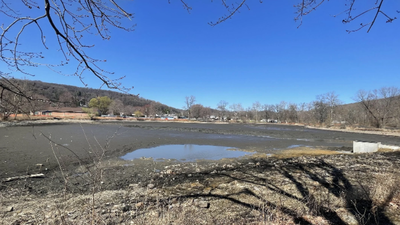
Crystal Lake, also known as Carsonia Lake, sits within Carsonia Park in Lower Alsace Township, Berks County. The park covers about 27 acres and has long been used by local residents for fishing, walking and enjoying the outdoors. But the lake had developed a serious environmental problem. Years of sediment accumulation had reduced its depth dramatically. Aark says the lake had fallen to about three feet deep, compared with a natural depth of around 10 feet. The buildup was accompanied by hazardous sediment and waste, as well as harmful algae blooms that could reduce oxygen levels in the water.The Mount Penn Borough Municipal Authority proposed a major dredging project in 2024. The goal was to remove the accumulated material and improve the condition of the lake. The Pennsylvania Fish and Boat Commission later confirmed that Carsonia Lake was completely dewatered in spring 2025 to allow the municipal authority to carry out dredging operations. For the lake itself, the work was intended as a restoration effort. For the animals living there, however, the draining created an immediate crisis.
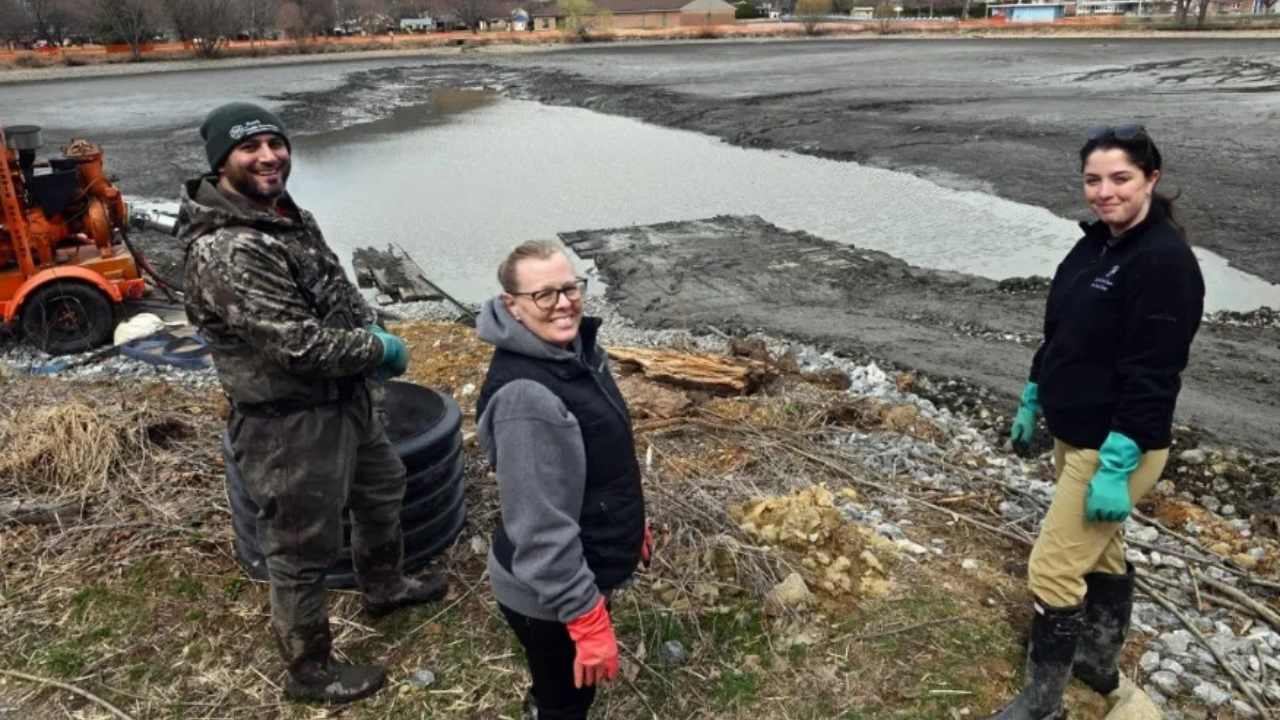
Years of sediment accumulation had reduced the lake’s depth dramatically (Image Credit: Aark Wildlife Rehabilitation and Education Center)
Turtles were left on the muddy lakebed
Turtles normally spend the colder months in a state known as brumation, often burying themselves deep in mud beneath ponds and lakes. When Crystal Lake was drained, that habitat disappeared. According to Aark Wildlife Rehabilitation and Education Center, the timing created particular difficulties because the animals had been disturbed during their winter cycle. Instead of remaining beneath the water and mud, surviving turtles had to make their way across exposed, difficult terrain towards the remaining water. Some became trapped in mud, while others died from exhaustion or exposure.When local residents saw photographs of the drained lake in March 2025, they found the situation even worse than expected. Lori Lilley, who had lived near Carsonia Park for years, contacted Aark for help. During the initial rescue efforts, the team found more than 30 dead turtles, along with many dead fish, crayfish and hundreds of dead snails. Only four living turtles were rescued during the first two days. That small beginning turned into a months-long rescue effort.
Local residents helped save the survivors
Lilley, her husband and another community member continued searching the drained lake whenever they could. Turtles they found were temporarily kept safe before being transported to Aark Wildlife Rehabilitation and Education Center, where they could receive care. Between March and the end of June 2025, the group rescued 34 turtles, including musk turtles, snapping turtles, painted turtles and red-eared sliders. The different species required different solutions.Aark received special permission from the Pennsylvania Fish and Boat Commission to release snapping and painted turtles at nearby Antietam Lake. The musk turtles, however, stayed at the rehabilitation centre because they have more specific habitat requirements and generally do not travel far. Relocating them could create problems if they attempted to return to Crystal Lake or if too many turtles were introduced into another population. The musk turtles therefore remained under care while work continued at their original home.
The rescue grew into a rehabilitation effort
The time spent at Aark was not simply a matter of keeping the turtles alive until the lake was ready. During their year at the centre, the turtles were cared for while the organisation also dealt with reproduction. Aark says it incubated and hatched around 25 musk turtle eggs during the rehabilitation period. By March 2026, the centre was caring for 49 musk turtles in total: 18 adults, five yearlings and 26 hatchlings. The young turtles were also expected to return to Crystal Lake once the restoration project was complete. Meanwhile, the wider restoration work continued. The first dredging phase was completed during summer 2025 and the lake subsequently refilled. A second phase was later pushed to July 2026 because of a lack of funding. The project was therefore unfolding on two fronts: restoring the lake and preparing the rescued animals to eventually return to it.
49 musk turtles finally went home
That return became reality on September 27, 2026, when 49 musk turtles were released back into Crystal Lake after months of rehabilitation. The release represented more than simply moving animals from one body of water to another. These were turtles that had survived the draining of their habitat, been rescued from mud and exposed lakebed, and spent months in human care while restoration work progressed.The return also marked a significant moment for the people who had followed the project from the beginning. Lilley and other residents had continued supporting the turtles beyond the initial rescue. Community fundraising even raised $1,000 for Aark to help cover the cost of food, medical care and additional equipment for the animals. The story of Crystal Lake is ultimately about two kinds of recovery happening at once. The dredging was intended to address years of sediment buildup and improve the lake’s water quality, while the rehabilitation effort gave surviving wildlife a chance to make it through the disruption.For the 49 musk turtles released in September, the muddy lakebed where they once struggled to survive had become a place they could finally return to. Their release is one visible sign that the long restoration process is moving forward, even as further work remains to fully rebuild the lake and its habitat.