









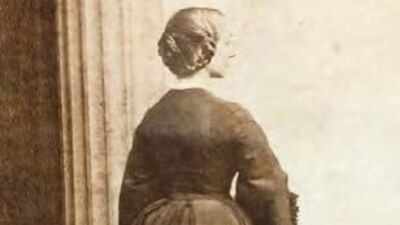
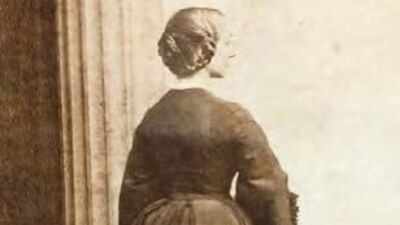
Acadia National Park was the first national park created from private lands gifted to the public through the efforts of conservation-minded citizens. Many of the activities surrounding the civic groups that created the park excluded women and people of colour, as per the park’s website. However, there was one woman, a longtime resident Eliza Homans, who donated 140 acres of land to the park and this area is a popular hiking and viewing spot today.Eliza Lee Lothorp was born in 1832 in Dover, New Hampshire to Mary and Samuel K. Lothorp. She spent her childhood in Boston and married Charles Dudley Homans in 1856. They lived together in Boston, but from the 1870s, they spent their summers in their cottage near Schooner Head Overlook, just a few miles from Bar Harbor.Her brother also had property on Mount Desert Island, which had been purchased jointly along with the father of George Dorr and later became part of the Old Farm estate. After Eliza’s husband Charles died in 1886, she continued to travel, manage properties across New England, and found a ladies’ social club with her sister. In the following two decades, both of her children died within a year of each other and she found solace in her connection to Mount Desert Island.For years, she stayed in Bar Harbor, becoming a longtime resident and coming to own approximately 140 acres of land which included the Bowl, the Beehive, and the south side of Champlain Mountain. Beehive rises 500 ft above the ocean on the southeastern edge of Mount Desert Island, and the Bowl is a small pond just in front of it. Homans decided this land, with its tremendous natural features, could not truly be “owned” and needed to be shared. If she didn’t preserve that land, “my grandchildren may find a ‘Merry-Go-Round’ established there!” she feared.
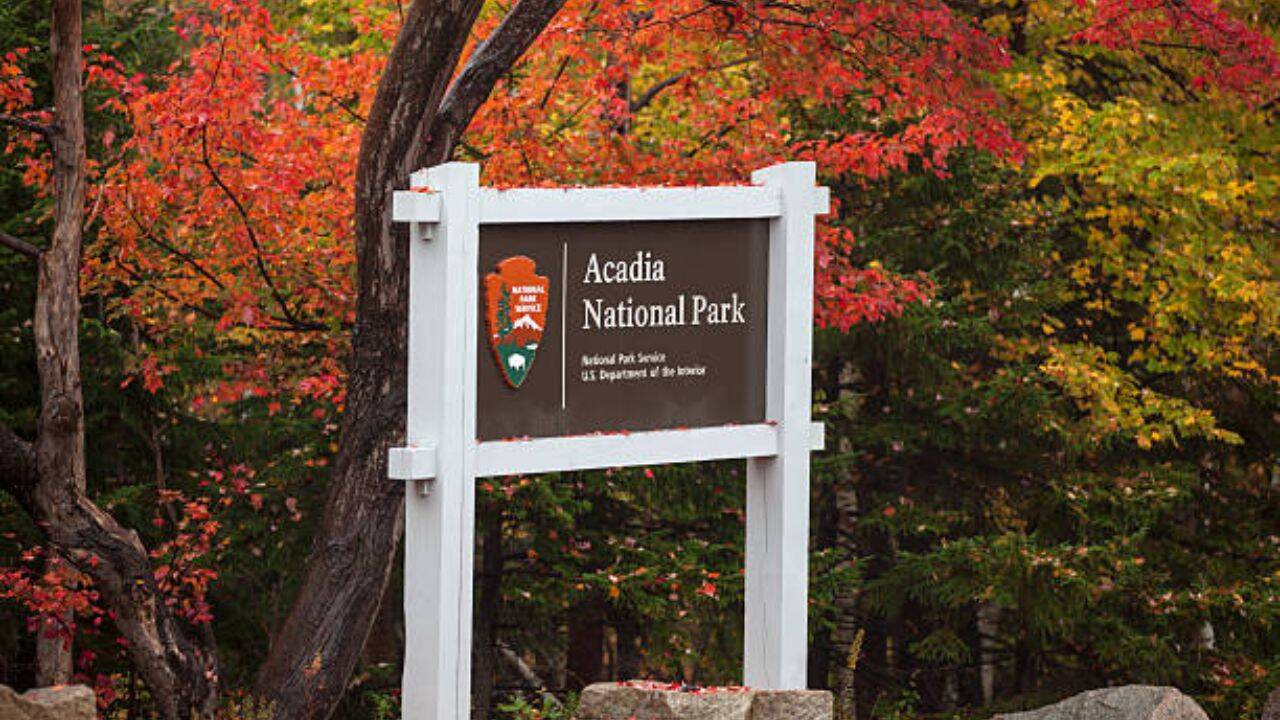
Eliza Homans’ was the first land donation to HCTPR, starting the momentum for subsequent land donations and purchases to what would later become Acadia National Park.
In May 1908, she sent a deed to Charles W. Eliot, president of the Hancock County Trustees of Public Reservation (HCTPR). She opted for the land transfer, but not for her name to be publicised. This was the first land donation to HCTPR, starting the momentum for subsequent land donations and purchases to what would later become Acadia National Park.Homans’ friendships with other conservationists like Charles W. Eliot and family connections to the island may have influenced her decision to donate her land. Her land transfer did have reservations, including the right to shoot, fish, boat and keep a boathouse on the Bowl. The Beehive Mountain Aqueduct Company, was also permitted to continue using the pond as a public water supply.Eliza Homans died in 1914 in Bar Harbor and was buried with her husband in Cambridge, Massachusetts. Between 1915 and 1916, Homans Path was constructed in her name as part of a trail network at and around Sieur de Monts. It is a steep trail consisting of granite steps, tight passages, and overhangs, where hikers can continue onto the summit of Dorr Mountain via other connector trails.Today, Acadia National Park covers a total of more than 49,000 acres, donated by multiple people and is managed by the National Park Service.