





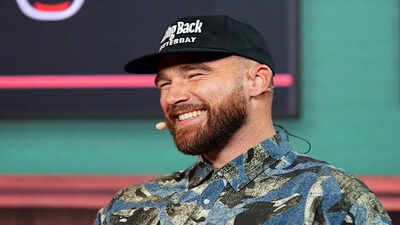
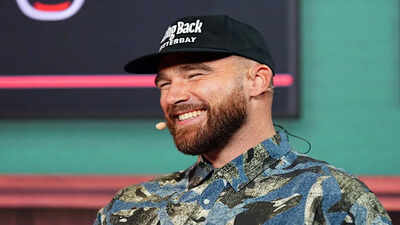
On October 21, 2025, activist hedge fund Jana Partners announced it had teamed up with Kansas City Chiefs tight end Travis Kelce, consumer executive Glenn Murphy, and tech executive Dave Habiger to acquire roughly 9% of Six Flags Entertainment Corporation, valued at around $200 million. Shares of Six Flags jumped more than 17% the same day. The timing raised eyebrows. Six Flags was carrying over $5.3 billion in debt, had reported a $100 million net loss for Q2 2025, and its CEO Richard Zimmerman had just announced he was stepping down. Kelce was not walking into a success story. He was buying into a company in crisis.
Why did Travis Kelce invest in Six Flags when the company was struggling?
The short answer Travis Kelce gave was personal. “I am a lifelong Six Flags fan and grew up going to these parks with my family and friends,” he said in the announcement. “The chance to help make Six Flags special for the next generation is one I couldn’t pass up.”That connection was real. Kelce grew up in Cleveland Heights, Ohio, about an hour from Cedar Point, which merged with Six Flags in July 2024 to form the current company. But nostalgia alone does not move $200 million. The investment was structured as an activist play, which is a different kind of commitment entirely.Jana Partners is not a passive fund. The firm was behind the push that led Whole Foods to sell to Amazon. Here, the intention from day one was to engage directly with Six Flags’ board and push for changes, whether that meant restructuring, park sales, or an outright sale of the entire company. Kelce’s involvement gave the campaign a public face with genuine cultural reach, particularly with younger families who are exactly the audience Six Flags needs to win back. Stock surging 17% on the news alone proved the point.
What are the real financial risks behind the Six Flags investment?
This is where the numbers get uncomfortable. Six Flags entered 2026 carrying approximately $5.2 billion in debt, attendance was down 9% year-over-year heading into the investment, and the stock had already lost roughly 50% of its value before Jana showed up. Dennis Speigel, CEO of International Theme Park Services, told NPR the post-merger due diligence was rushed and left serious structural problems behind.Jana Managing Partner Scott Ostfeld described the company’s recent performance bluntly at the 13D Monitor Active-Passive Investor Summit, calling it “vomit-inducing.” That is not the language of a fund quietly hoping things improve on their own.By early 2026, Jana’s initial shares were worth considerably less than when they were purchased. The stock had slid well below the price at the time of the investment announcement. Kelce and his partners had pushed out the original board chairman and helped bring in new leadership, with John Reilly taking over as CEO in December 2025 and Marilyn Spiegel becoming chairperson in January 2026. Six Flags sold several parks and Jana began pushing publicly for a full sale of the company.The bet is not lost yet. First-quarter 2026 numbers showed a 12% revenue increase and a 4% attendance rise compared to the same period in 2025, which suggests the turnaround has at least started. But the debt load has not moved, and servicing $5.2 billion in a high-interest-rate environment continues to chew through capital that the parks desperately need for maintenance and investment.
How does the Six Flags play fit into Travis Kelce’s broader investment approach?
Compared to his other deals, Six Flags is the most aggressive bet Kelce has made. Most of his portfolio, Kodiak Cakes, Hydrow, Sleep Number, Casa Azul tequila, follows a consistent logic: personal use first, investment second. He had slept on a Sleep Number bed since 2019, before buying a stake in the company. He was already drinking Casa Azul before putting money in. The pattern is clean.Six Flags is different. This was not a product he used weekly. It was a childhood memory converted into an activist position alongside one of the sharper hedge funds in the business. And critically, the deal gave him something his other investments do not: direct board-level influence on how the company is run, not just exposure to whether it succeeds.Jana’s track record of forcing operational changes at companies like Whole Foods matters here. The fund does not take 9% stakes to sit quietly. If a sale happens at a premium, Kelce’s group profits significantly. If the turnaround succeeds under new leadership, the upside is still real. The risk is that neither happens and the debt continues to compress every other option available to the company.For a 35-year-old athlete with a $70 million estimated net worth and a podcast deal worth over $100 million with Wondery, the Six Flags investment is a calculated gamble, not a desperate one. It is the most complex thing in his portfolio, and probably the one that tells you the most about where his ambitions are heading after football.