







Most of us judge a chocolate bar by how good it tastes. But right now, the actual shape of a bar has dragged two completely different confectioners into a massive legal brawl.Mondelēz International – the corporate giant behind Toblerone – has officially taken a tiny British vegan chocolate startup called Catherine’s Originals to court. The whole fight boils down to the design of the startup’s “O’bar,” which Toblerone’s parent company insists looks way too close to its iconic, serrated triangular peaks.According to The Guardian, Mondelēz filed a lawsuit in London’s High Court, slapping the small Sussex-based brand with claims of trademark infringement and passing off. Their legal team argues that Toblerone’s distinctive mountain-peak geometry has been legally protected and tied to their brand identity clear back to 1929, and they have every right to defend it.But the independent maker isn’t backing down without a fight.
Why is the Toblerone empire suing a startup?
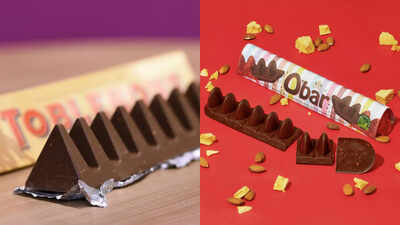
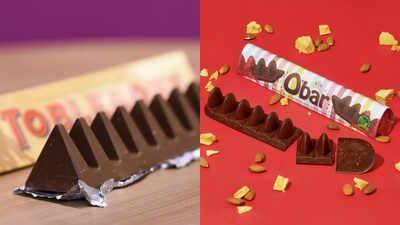
The whole court clash zeroes in on the physical shape of the O’bar, which features a row of rounded, semi-oval chocolate ridges. Toblerone, as anyone who has ever grabbed a last-minute duty-free gift knows, is famous for its sharp, saw-tooth triangular blocks.Mondelēz claims the visual overlap is strong enough to cause confusion and mess with their intellectual property rights. To them, those peaks aren’t just a quirky design—they are the core visual signature that makes Toblerone recognizable anywhere on Earth.Catherine’s Originals, however, has a completely different story.The business was launched back in 2021 by Catherine Dodd when she was just a teenager, operating out of a workshop in Walberton, Sussex. The indie brand sells its plant-based chocolates online, through subscription boxes, and at local pop-up markets.Dodd maintains that the O’bar’s curved shape is actually modeled after the letter ‘O’ – paying homage to the word Originals—and has zero to do with copying Swiss chocolate bars.“We stand firmly behind the product and identity we’ve created,” Dodd stated, making it crystal clear that she rejects the accusations and plans to see the lawsuit through.She did admit that getting dragged into High Court by a global food titan has been terrifying. Building a business from scratch takes endless hours, personal savings, and raw sweat equity, and taking on a massive corporate legal department puts huge financial pressure on a small brand. Still, Dodd insists she isn’t going to let a big corporate player bully her into scrapping something she built from the ground up.Her legal advisor, Stephen Lowry over at Brandsmiths, backed her stance, publicly stating that the O’bar clearly carries its own distinct aesthetic and brand identity.
A massive price gap between the two bars
Beyond the visual debate, the two chocolate bars aren’t even competing in the same ballpark when it comes to price or target audience.Catherine’s Originals charges £9.20 (around ₹1,167) for its standard milk and plain chocolate O’bars. If you opt for specialized seasonal options like pumpkin spice or cinnamon swirl, the price climbs to £10.55 (roughly ₹1,339).On the flip side, a standard mass-market Toblerone bar sets you back around £2.50 (approx ₹317).That massive price disparity highlights just how different their customer bases really are. Catherine’s Originals positions itself as a premium, handcrafted vegan alternative, while Toblerone dominates mass retail checkouts.
Mondelēz claims it tried to work things out
Mondelēz, which also controls mega-brands like Cadbury in the UK and Côte d’Or in Belgium – claims it spent several months trying to negotiate a private settlement with Catherine’s Originals before pulling the trigger on a lawsuit. But when those talks stalled out, court was the only option left on the table.The corporation maintains that Toblerone’s silhouette is one of the most protected and instantly identifiable product shapes in global retail, and letting another company slide on a similar design sets a dangerous precedent for their trademarks.Because the litigation is officially active in the High Court, Mondelēz has declined to issue further public commentary.
This isn’t Toblerone’s first rodeo in the courtroom
If this whole story feels familiar, that’s because Toblerone has thrown its legal weight around over chocolate shapes before.Back in 2017, the UK discount chain Poundland was gearing up to launch its own budget chocolate bar named Twin Peaks. Just like the name implied, the bar featured two raised chocolate hills side by side – a design that immediately drew a stern legal warning from Mondelēz.After a drawn-out standoff, Poundland agreed to alter both the packaging and the internal mold before sending Twin Peaks back to store shelves.Toblerone itself has had to alter its legendary look due to strict regulations.In 2023, the brand was forced to strip the famous Matterhorn mountain peak off its packaging after shifting part of its production outside of Switzerland. Under Swiss “Swissness” laws governing national symbols, companies can’t use iconic Swiss landmarks on their labels unless the product is manufactured entirely within Swiss borders.For now, this latest David-versus-Goliath chocolate showdown is working its way through the legal system. Whether the rounded curves of the O’bar actually step on Toblerone’s sacred triangular toes is something a London judge will eventually have to decide.