









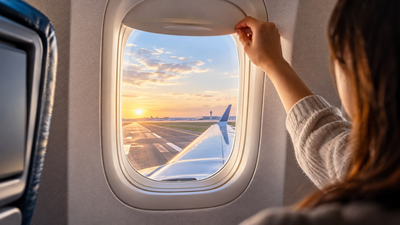
If you have ever been asked to keep your airplane window shade open during take-off or landing, it may seem like one of those small cabin rules that passengers follow without knowing why. But the instruction has a practical safety purpose. These are the most critical phases of a flight, and having a clear view outside can give both passengers and crew valuable information if something goes wrong. The European Union Aviation Safety Agency (EASA) explains that an open window shade allows cabin crew to identify problems outside the aircraft more quickly and can help passengers’ eyes adjust to the external light, which may be important during an evacuation. Scroll down to know more.
It gives the crew a clearer view of what is happening outside
During take-off and landing, cabin crew need to be particularly alert to anything unusual. With the shades open, they can potentially spot visible problems such as smoke, fire, sparks, fuel leaks or other hazards around the aircraft.The Civil Aviation Authority of Singapore (CAAS) specifically lists this as one reason shades are kept open during taxiing, take-off and landing. It also notes that passengers may notice something outside and alert cabin crew more quickly.
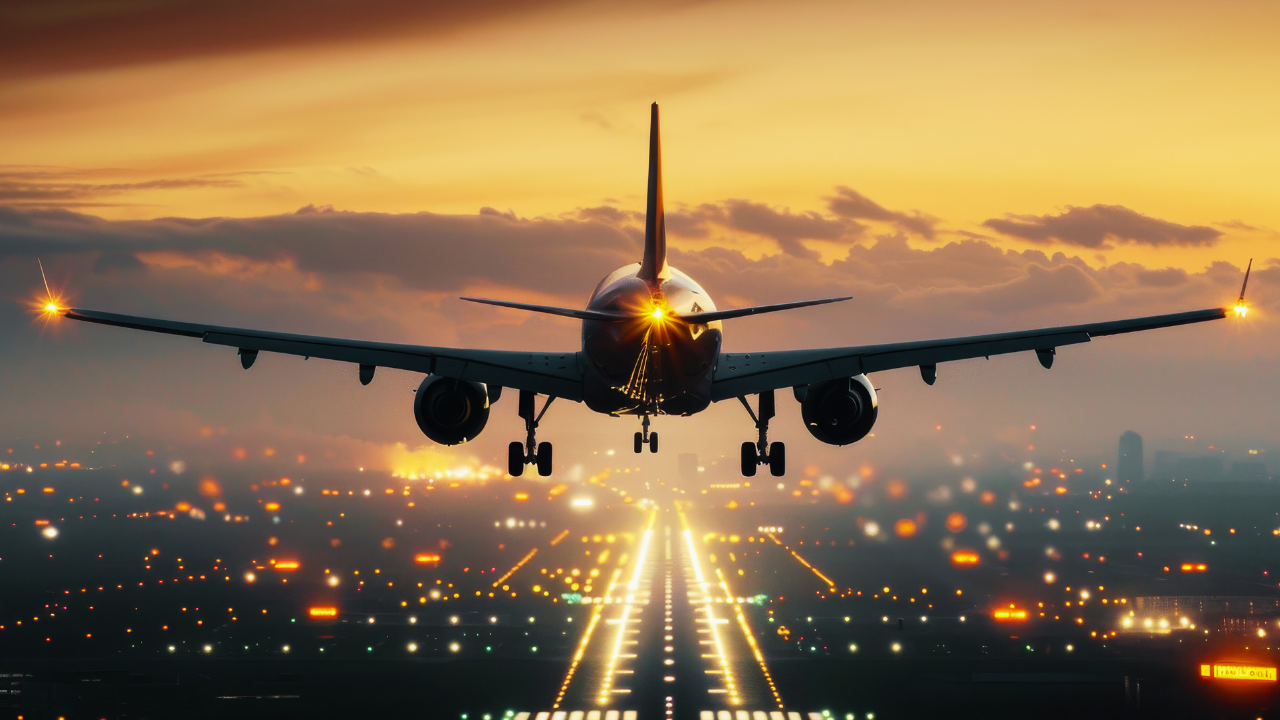
This creates an additional set of eyes inside the cabin. A passenger sitting next to a window may notice something developing around a wing or engine before someone elsewhere in the aircraft does.
It can help passengers during an emergency evacuation
An emergency evacuation can be confusing, particularly if passengers have little information about what is happening outside. An open shade gives them a view of the aircraft’s surroundings and can help them understand which areas may be dangerous.For example, if an emergency occurs on one side of the aircraft, seeing smoke, fire or another obstruction outside could help people recognise that an exit on that side should not be used.This is also reflected in aircraft certification requirements. FAA material discussing emergency exits says having a means of viewing outside conditions is valuable for determining whether an exit is safe to use during an evacuation.
Your eyes are already adjusted to the outside light
There is another reason that is easy to overlook. Aircraft cabins can be relatively dark compared with the bright conditions outside during daytime operations.
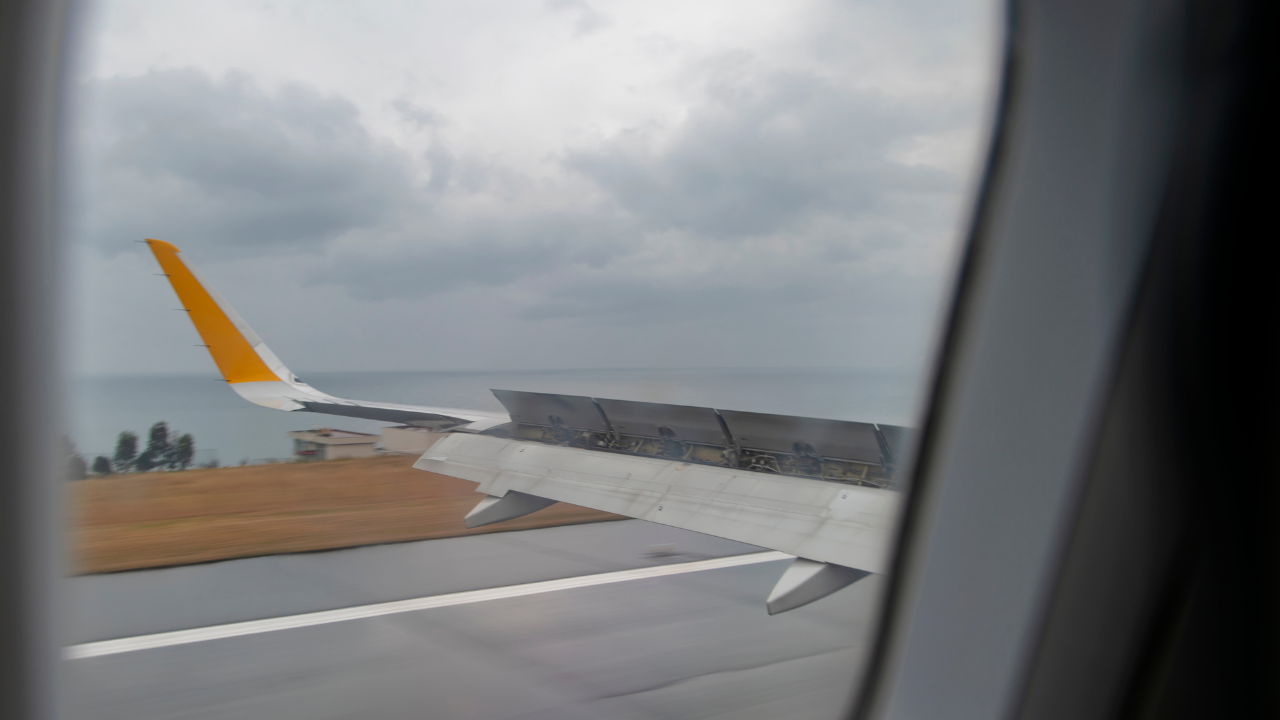
If an evacuation becomes necessary, passengers may have to move from the cabin into very different lighting conditions. Keeping window shades open allows their eyes to remain accustomed to the outside environment.EASA specifically identifies this as part of the safety reasoning behind the procedure. The same principle explains another familiar pre-flight practice: cabin lights are often dimmed before take-off and landing so passengers and crew can adjust to lower levels of illumination if an emergency occurs.
It is about preparation, not predicting an accident
Keeping the shades open does not mean airlines expect something to go wrong during take-off or landing. Rather, it is one part of preparing the cabin for the possibility of an emergency.
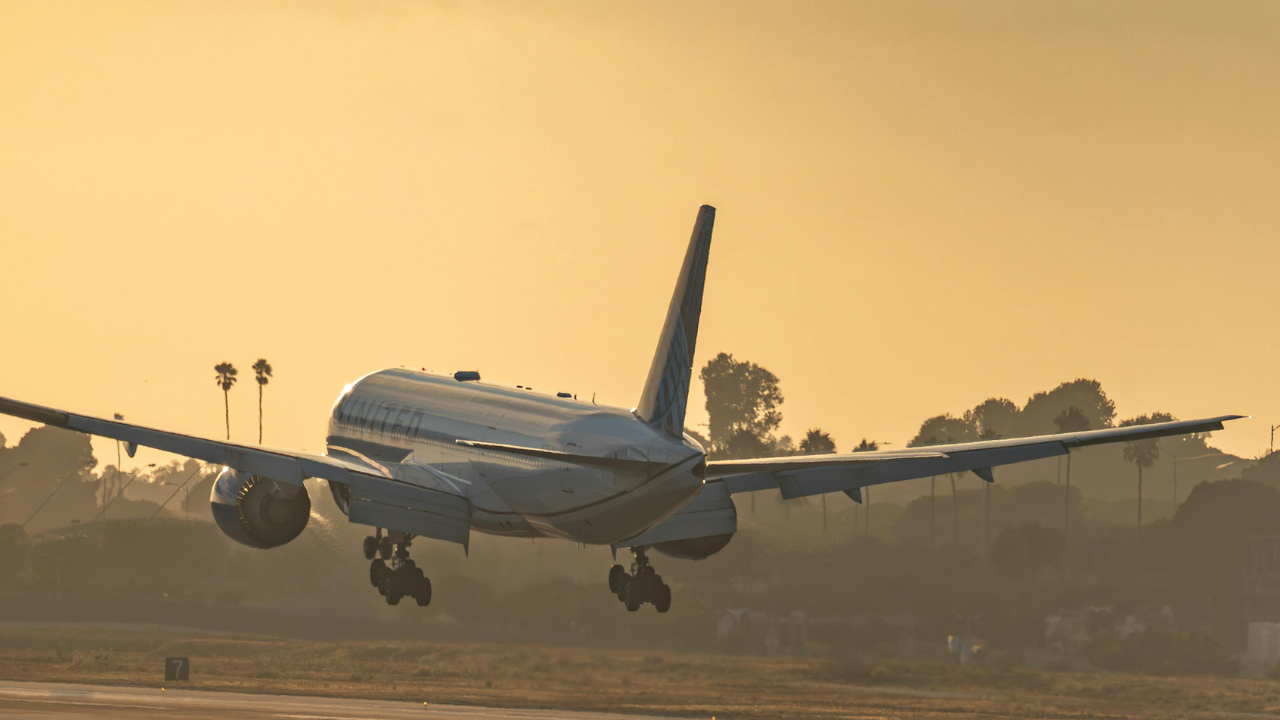
Take-off and landing are treated as critical phases of flight, during which flight crews are expected to maintain a high level of attention. Sterile flight deck procedures specifically identify these periods as times when pilots should focus on essential operational activities. That is why several seemingly minor cabin instructions, such as raising window shades, securing seat belts, stowing loose items and paying attention to the safety briefing, become particularly important around these stages of a flight.So, the next time a flight attendant asks you to raise your window shade before take-off or landing, it is not simply about letting in more light. The clear view helps passengers, cabin crew and potentially emergency responders understand what is happening outside the aircraft when every second can matter.