









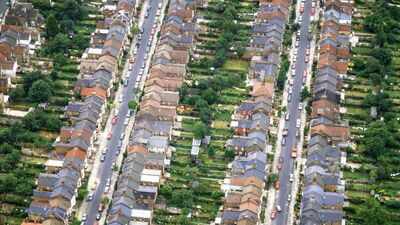
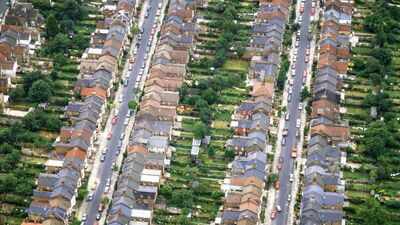
A potential overhaul of the UK’s property tax system could change how homeowners pay for their properties, with proposals that could replace stamp duty and council tax with taxes linked more closely to property or land values.The reforms are not expected immediately. Prime Minister Andy Burnham has ruled out a major property tax overhaul in the October 2026 Budget, but the issue could return in 2027. For the real estate market, the proposals could have a wider impact than simply changing household tax bills.High value homes could face bigger billsOne proposal under discussion is a land value tax, which would tax the value of the land beneath a property rather than relying on the existing council tax system. Another proposal from the Fairer Share campaign would introduce an annual property tax of around 0.48% of a home’s value, with a higher rate potentially applying to second homes.Such a system could significantly increase the annual cost of owning expensive properties. According to figures cited by The Guardian, an average £358,000 Band D property could face an annual charge of about £2,551 under one land value tax model, compared with an average council tax bill of around £2,267.The difference would be far larger for high-value homes. A £2.6 million Band H property could face an annual charge of roughly £30,534, compared with about £4,081 currently.What could happen to UK house pricesThe proposed shift could have a direct effect on property values. If buyers know that owning an expensive home comes with a much larger recurring tax bill, they may be willing to pay less for the property itself.The impact could be particularly significant in London and southeast England, where property values are substantially higher. Expensive properties could become less attractive to buyers, potentially putting downward pressure on valuations.However, the effect would vary across the country depending on property values and the final tax structure.First time buyers could benefitRemoving or reducing stamp duty could help people entering the housing market by lowering the upfront cost of purchasing a home.That could be particularly significant for first-time buyers, who often struggle to accumulate enough money for both a deposit and additional purchase costs.But cheaper transactions could also stimulate demand. If housing supply remains limited, increased demand could eventually push property prices higher, reducing some of the benefit for buyers.Second homes and property investors could feel the impactSecond-home owners and property investors could face higher costs under some versions of the proposed system. A higher tax rate on second homes could encourage some owners to sell, potentially increasing housing supply in areas with large numbers of holiday properties.The proposals come as the UK housing market is already showing signs of weakness. The Guardian reported that UK asking prices fell 2% in August, the biggest August decline since 2018.For homeowners, the bigger question is whether the UK eventually moves from taxing people mainly when they buy property to taxing them more heavily for owning it. If implemented, that shift could reshape property values, demand, investment decisions and the wider UK housing market.