
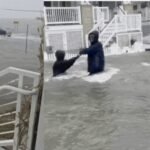








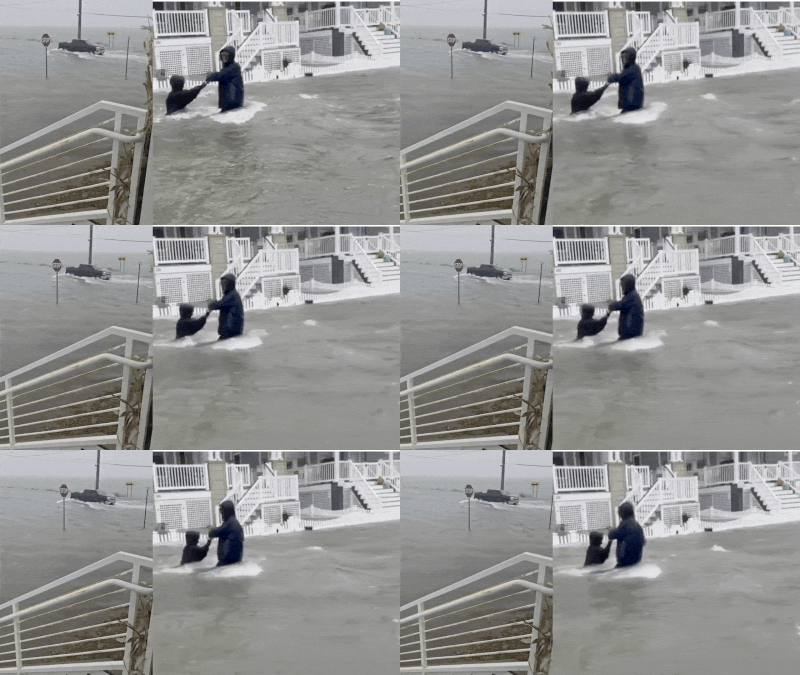
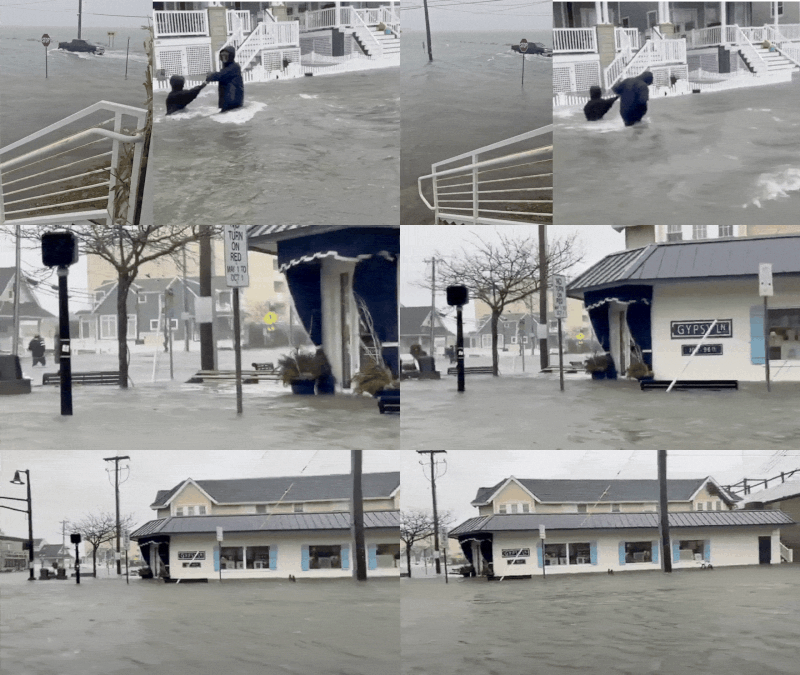
A powerful storm system swept across large parts of the United States on Thanksgiving, bringing heavy rain, strong winds, flooding and snowfall, leaving nearly 900,000 homes and businesses without electricity and disrupting air and road travel. The severe weather also forced organisers to postpone New York’s Macy’s Thanksgiving Day Parade until Saturday, marking the first time in its 100-year history that the event was delayed because of weather conditions.The storm, described as a nor’easter, battered communities along the East Coast on Thursday, with Pennsylvania, Maryland and Virginia among the worst-affected states, according to power outage tracking website PowerOutage.us. Flight tracking service FlightAware reported more than 2,200 flight delays and over 400 cancellations across the country.Macy’s said the decision to postpone the parade was taken as a precaution because of high winds between Manhattan’s skyscrapers, which could affect the giant balloons.“While we are heartbroken that our parade was postponed, the safety of our partners, the safety of our participants — and spectators — is and always will be our top priority,” parade executive producer Will Coss said.Videos and images shared on social media showed the extent of the storm’s impact across the United States, with streets submerged under floodwater, vehicles navigating waterlogged roads and waves crashing against coastal infrastructure.Footage from Margate City, New Jersey, showed floodwater surging through streets as high tides pushed water towards homes and businesses. In California, a video captured a massive wave tearing away part of the Pacifica pier and sending debris into the ocean. Central Park marked its wettest Thanksgiving in recorded history with 1.82 inches of rain so far.The parade, which attracts millions of spectators, had previously been cancelled for three years during World War II, but had never been postponed on account of Thanksgiving Day weather.
Flooding triggers rescues along east coast
Heavy rainfall, high tides and strong winds flooded coastal communities from North Carolina to New Jersey. New Jersey and parts of New York were placed under states of emergency, while weather advisories were issued across several states.New York City mayor Zohran Mamdani said two people had been rescued from vehicles trapped in floodwater on Thursday morning. Similar rescue operations were reported in other coastal communities.“There is no destination worth your safety,” Mamdani said according to news agencsy AP, urging residents to avoid unnecessary travel. In Avalon, New Jersey, flooding reached levels among the worst in the community’s history, Borough of Avalon Business Administrator Scott J. Wahl said.“Not quite Hurricane Sandy,” Wahl said according to , referring to the devastating storm that remains a benchmark for flooding in the area.In Ocean City, resident Lance Miller, 54, said floodwater had reached around a foot in his neighbourhood. Driving to the nearest supermarket would probably “destroy your car”, he said.Meanwhile, New Jersey governor Mikie Sherrill urged residents to remain cautious. “Keep your devices charged, report power outages directly to your utility provider, and stay away from downed power lines,” she wrote on X.Visuals from coastal communities also showed water entering beachfront homes, while sandbags were placed outside businesses to limit flooding. In parts of the East Coast, emergency crews were seen responding to waterlogged roads and rescuing motorists stranded in vehicles.
Snowfall, coastal flooding disrupt transport
The storm also brought heavy snowfall to parts of Missouri and Illinois. St Louis recorded 7.3 inches of snow, while Ste Genevieve, Missouri, received 14 inches.In Wentzville, Missouri, the roof of an ice arena partially collapsed at around 3 am. The facility was empty at the time, according to city officials.On the West Coast, exceptionally high tides and powerful waves prompted evacuations in parts of California. A section of the Pacifica pier was torn away by a massive wave, while coastal flooding affected residential areas.Amtrak’s Pacific Surfliner suspended services on several routes after high tides and washouts damaged railway infrastructure, including tracks near San Clemente.The Chesapeake Bay Bridge-Tunnel in Virginia was also temporarily closed because of strong winds.
Authorities monitor further weather disruptions
The National Weather Service warned that coastal conditions could remain hazardous into Friday, with strong winds, high tides and flooding continuing to threaten communities.Authorities have urged residents to monitor weather alerts, avoid flooded roads and follow local emergency instructions. Power restoration, transport services and assessments of infrastructure damage are expected to remain key priorities as the storm system moves through affected regions.