

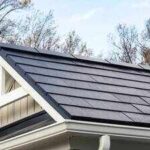




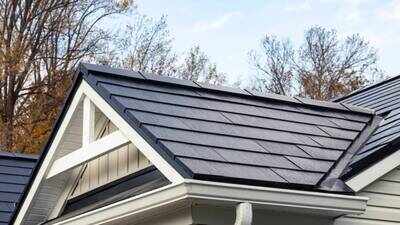
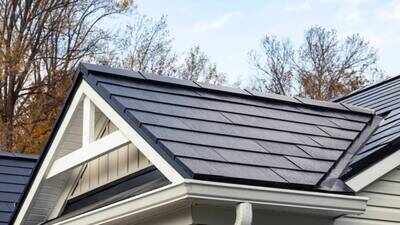
A California judge has found Tesla liable for fraud and negligent misrepresentation in a lawsuit involving a Solar Roof installation that was never completed and failed to generate electricity for the homeowner. The ruling follows repeated disputes over the company’s failure to produce documents sought during the legal proceedings.The case concerns Ambrose Conroy, a resident of Rancho Santa Fe, California, who signed an agreement with Tesla in March 2020 for a Solar Roof system worth $82,210. However, the project’s cost increased to approximately $110,000 after two amendments by February 2021. The revised installation was to include an 18.2-kilowatt roof and six Powerwall batteries.According to a report by Electrek, the roof was never completed, did not pass a county inspection and never generated a single kilowatt-hour of electricity for Conroy’s home. The homeowner estimates that repairing the damage could cost more than $2.5 million. Tesla had reportedly offered him $5,000 to settle the dispute in April 2022.
Why the California judge found Tesla liable for fraud
The lawsuit, known as Conroy v. Tesla, was filed in 2022 in the North County division of the San Diego Superior Court. Judge Cynthia Freeland had previously sanctioned Tesla twice over its failure to provide documents during the discovery process.The company was ordered to pay $15,467.50 in February 2026 and another $13,500 in June. The judge had warned that further failures could lead to issue sanctions, under which disputed facts could be treated as established.After Tesla missed another deadline, the court ruled on September 11 that the company was liable for fraud and negligent misrepresentation. The decision meant that the remaining proceedings on those claims would focus on determining compensatory and punitive damages.The missing material reportedly included Microsoft Teams messages, workplace safety records, emails with San Diego County inspectors and more than 20 quality, installation and safety reports from Tesla’s internal system.Tesla subsequently asked Judge Freeland to reconsider the ruling, arguing that it had produced the relevant documents. However, in an October 27 decision, the judge rejected the request. According to Electrek, she said the late-produced documents could support Conroy’s argument that Tesla knowingly used his home as an experiment despite lacking the experience needed to deliver the promised installation.
Internal Tesla messages reportedly described the project as an experiment
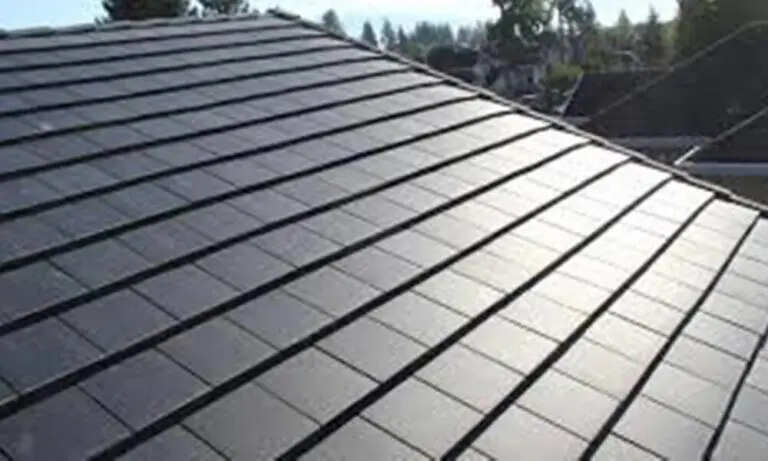
A California judge has found Tesla liable for fraud and negligent misrepresentation in the Solar Roof lawsuit.
The case has also drawn attention to internal communications involving senior Tesla employees. According to the trial exhibit list reviewed by Electrek, one exhibit refers to text messages dated January 13, 2021, involving Bobby Yang, Tesla’s director of model engineering, and other employees. Conroy’s legal team has cited the messages in support of its claim that the company was experimenting with the installation.Electrek clarified that it had not independently seen the text messages themselves and that the description came from the exhibit list submitted by Conroy’s side.The publication also reported on internal emails quoted in the complaint. In one exchange from February 2021, Yang reportedly described Conroy’s house as being in the 99.5th percentile in terms of complexity. RJ Johnson, who was then heading Tesla’s energy business, reportedly acknowledged that the project could affect the company’s numbers but said it needed to make things right.The case also refers to daily progress reports being sent to CEO Elon Musk, who is listed as a witness by Conroy’s legal team.
Homeowner describes damaged tiles and prolonged installation work
Conroy’s lawsuit also details the problems he says his family experienced during the installation. The removal of the existing roof, which was expected to take two days, reportedly took two weeks. The complaint alleges that parts of the roof were left exposed for extended periods and that scratched and damaged tiles were installed.Some glass tiles allegedly shattered around the driveway and lawn, with the family claiming that the broken pieces made it unsafe to walk barefoot in the area.The legal dispute continued even after the initial installation problems. In February 2025, Tesla reportedly failed another San Diego County inspection after arriving without the required plans for the venting system.Conroy also hired an electrical consultant to examine the installation. According to the consultant’s assessment cited in the reporting, the wiring and conduits beneath the tiles could increase the risk of a short circuit and fire during heavy rain. Tesla’s lawyers disputed the characterisation of the fire risk, according to Electrek.Conroy is now in the process of removing the roof.
Tesla challenges the ruling as the legal battle continues
Tesla has continued to contest the fraud and negligent misrepresentation findings. In an October 29 filing, the company asked the court to freeze the case while it seeks relief from the California Court of Appeal. Tesla argued that the sanction was unduly punitive, violated due process and effectively amounted to a directed verdict on fraud before a trial.The company had separately stipulated to liability on three other claims in the lawsuit: breach of contract, breach of warranty and negligence. It had continued to contest the remaining two claims until the judge’s September ruling.The case is still ongoing, and Conroy has not yet been awarded the compensation he is seeking. The November 20 trial date has been vacated, with a trial-readiness conference scheduled for December 4, according to Electrek.Tesla’s Solar Roof was introduced in 2016 by Elon Musk as a roofing option designed to combine solar technology with the appearance of conventional premium roof tiles. The Conroy case has brought renewed scrutiny to the company’s installation practices and the challenges surrounding the product.