









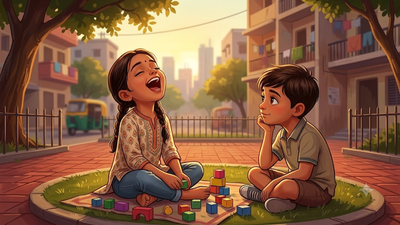
Some children turn almost anything into a song. Getting dressed becomes a little tune. A trip to the supermarket gets its own lyrics. They sing about what they are eating, what they are doing, who is coming home and even what happened five minutes ago. The songs may make little sense to an adult. The same line may be repeated again and again, sometimes with a made-up melody and sometimes with just a rhythmic chant. But spontaneous singing is a common part of young children’s everyday lives. Research suggests that children can use singing not only for entertainment but also as a way to communicate, play with language, repeat ideas and take control of everyday situations.
Why do children turn ordinary moments into songs?
22 Sept 2026 | 15:04
What pregnancy purchase turned out to be genuinely useful?
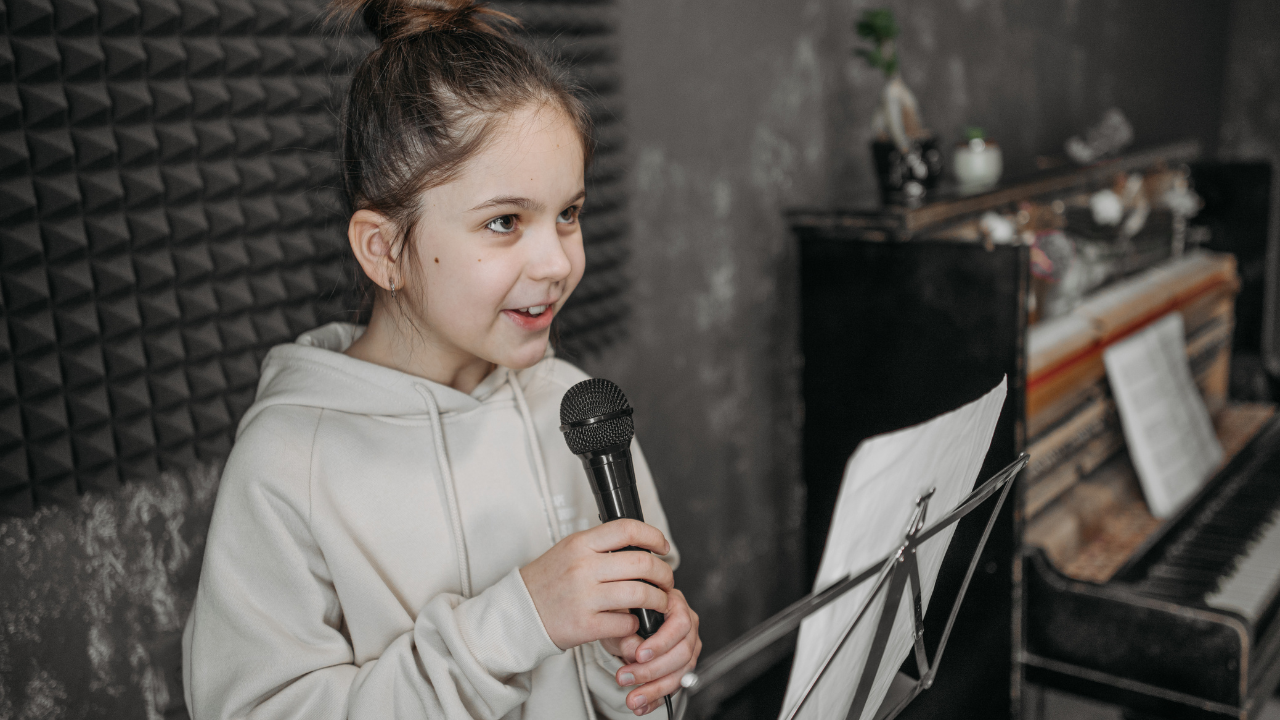
Photo: Canva
Young children often sing while they are already doing something else, playing, getting dressed, eating or moving around the house. A naturalistic study that recorded 15 three and four-year-old children during their normal routines at home found that spontaneous singing occurred in everyday situations and could take different forms, including invented or improvised songs. The important point is that these songs are not necessarily something an adult has taught the child. Children can invent lyrics, repeat familiar patterns and change songs as they go.
Repetition gives the child a structure
Listen closely to a child’s made-up song and one thing often stands out: repetition. The same words may appear several times. A child’s name may be repeated. An action may be turned into a chorus. Sometimes the melody stays the same while the words change. That repetition can make an ordinary sequence easier to follow and remember. Research on children’s song learning has found that young children can encode words and tunes in memory, showing that song provides a structured way for verbal information to be represented and remembered. A 2022 study involving preschool children also found that teaching words through songs or rhythmically spoken songs produced greater gains in the depth of word knowledge than teaching the same words through picture cards alone. This does not mean that singing every instruction will automatically improve a child’s memory. But rhythm, repetition and words presented together can give children another way to engage with language.
Sometimes the child is singing to themselves
There is another interesting pattern: children do not always sing for an audience. They may sing quietly while playing alone or working on something. A study of 58 children aged 4 to 8 examined private speech, singing and humming during tasks involving attention and executive functioning. Nearly one-third of the children used private song, while almost all used some form of private speech. The researchers found that private singing itself was not associated with executive-function performance, so the study does not show that singing makes children better at self-control. But it does show that private singing is something children spontaneously use while engaging with tasks.
Songs can help children take part in everyday routines
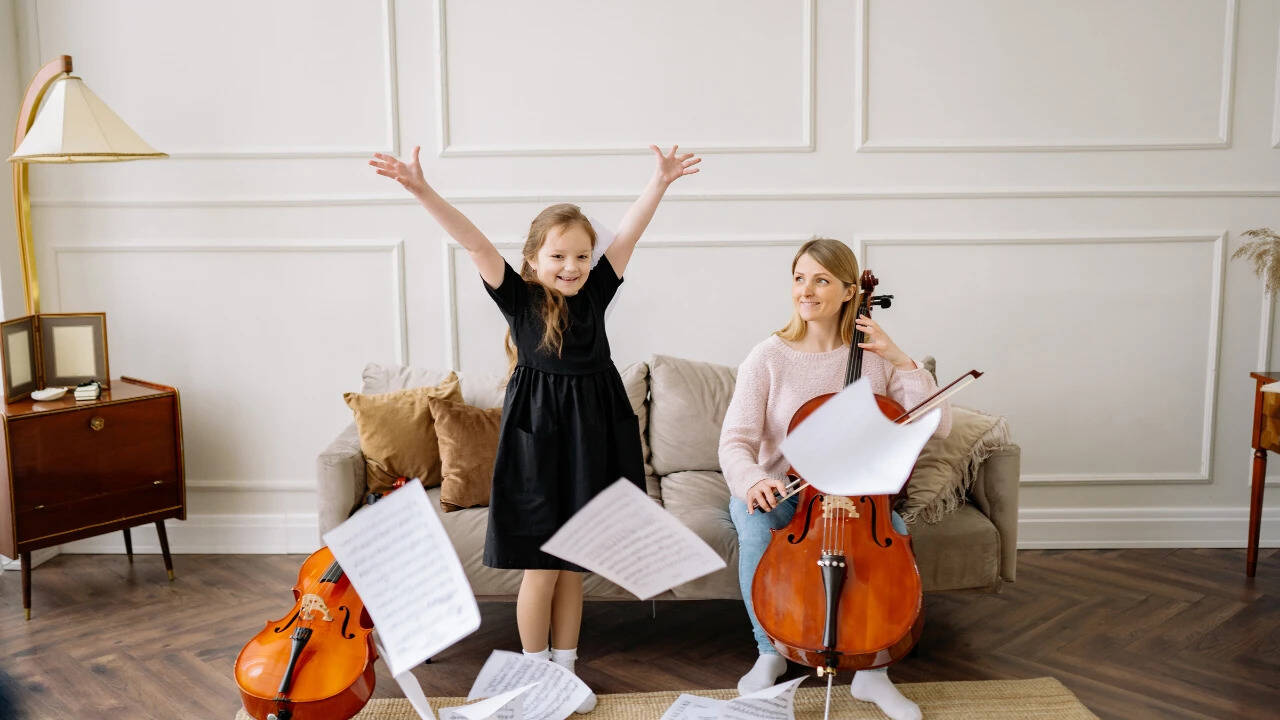
Photo: Canva
Adults often use songs to make routines easier for young children. Children can also create their own versions. Research involving multilingual toddlers in preschool found that singing activities provided children with lyrics, gestures, rhythm and repetition, creating different ways to participate in communication and group activities. This may help explain why children sometimes create songs around routines that happen every day. A repeated tune can become part of the routine itself.
Making up songs is also a form of creativity
There is another side to spontaneous singing that is easy to miss. Children are not simply repeating songs they have heard. They can invent lyrics, change melodies and create songs around whatever is happening at that moment. A study examining children’s early music-making found that invented songs could show children’s capacity for musical elaboration and creative activity. The researchers followed young children’s song-making and looked at how their musical ideas developed in everyday contexts. A child singing “Papa is making tea, Papa is making tea, where is my biscuit?” may not be trying to create a meaningful piece of music. They may simply be playing with words and sounds. But that play itself is part of how young children experiment with language and musical ideas.
What parents should not assume
A child who suddenly starts singing about school, friends or a particular event is not necessarily revealing a hidden worry. Children sing about things because they are interested in them. They repeat words because repetition is enjoyable. They change lyrics because making things up is fun. Parents do not need to analyse every song for a deeper meaning. Instead, it can be useful to listen to the pattern. Is the child repeating certain words? Are they changing the ending each time? Are they making up a tune for a routine they usually find boring? Are they singing alone while concentrating on something? These details can tell parents more about how the child is using the song.
Let the child keep making up the rules
If a child turns breakfast into a song, there is no need to correct the lyrics. Parents can join in, add a line or simply ask, “What comes next?” They can also encourage the child to make songs about ordinary activities, getting ready for school, putting toys away or remembering the steps of a task without turning it into a formal lesson. The value may not be in whether the song is “good”. It may be in the child’s freedom to repeat, change, remember and rearrange words and sounds.