








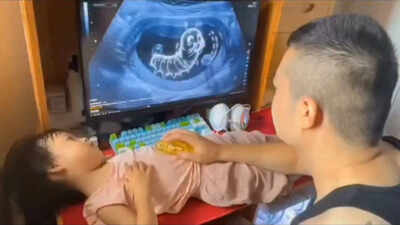
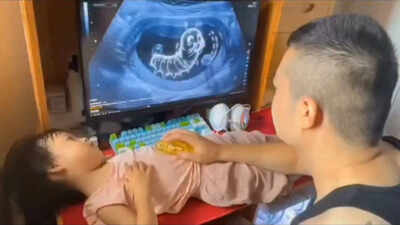
For many parents, stopping children from eating junk food is like a constant battle. While parents understand the harmful effects of eating junk, kids naturally don’t understand the negatives of it. However, in a now viral video, a father’s creativity to help his daughter understand the bad effects of junk food has taken the internet by surprise.In the clip, a little girl is seen nervously staring at a monitor as her father slowly moves what appears to be an ultrasound probe across her stomach. On the screen, a tiny animated worm wriggles around. The father calmly explains that the creature has been happily growing inside her belly because she eats too many sweets and unhealthy snacks. The girl’s expression shifts from curiosity to concern. The internet, meanwhile, couldn’t stop laughing.
28 Jul 2026 | 16:22
How do you teach children about money and financial responsibility?
Many on the internet are calling the father’s creativity “next-level parenting.” While the prank was clearly meant in good humour, it also opens the door to a much more important conversation- how harmful is junk food consumption?
Junk food is not just about calories
Normally, what’s associated with junk food is pizza, burgers, chips or chocolates. However, scientists use a broader term for it, which is ultra-processes foods (UPFs). Ultra processed foods are industrially manufactured food items that contain unhealthy fats, refined starch, emulsifiers and preservatives. Other than this, UPFs are low in fibre and essential nutrients.A study published in Obesity Pillars journal notes that diets high in ultra-processed foods are consistently associated with obesity, insulin resistance, gut microbiome disturbance and mental health problems. According to the authors, the major nutritional concerns children are facing now is due to the growing consumption of these foods.
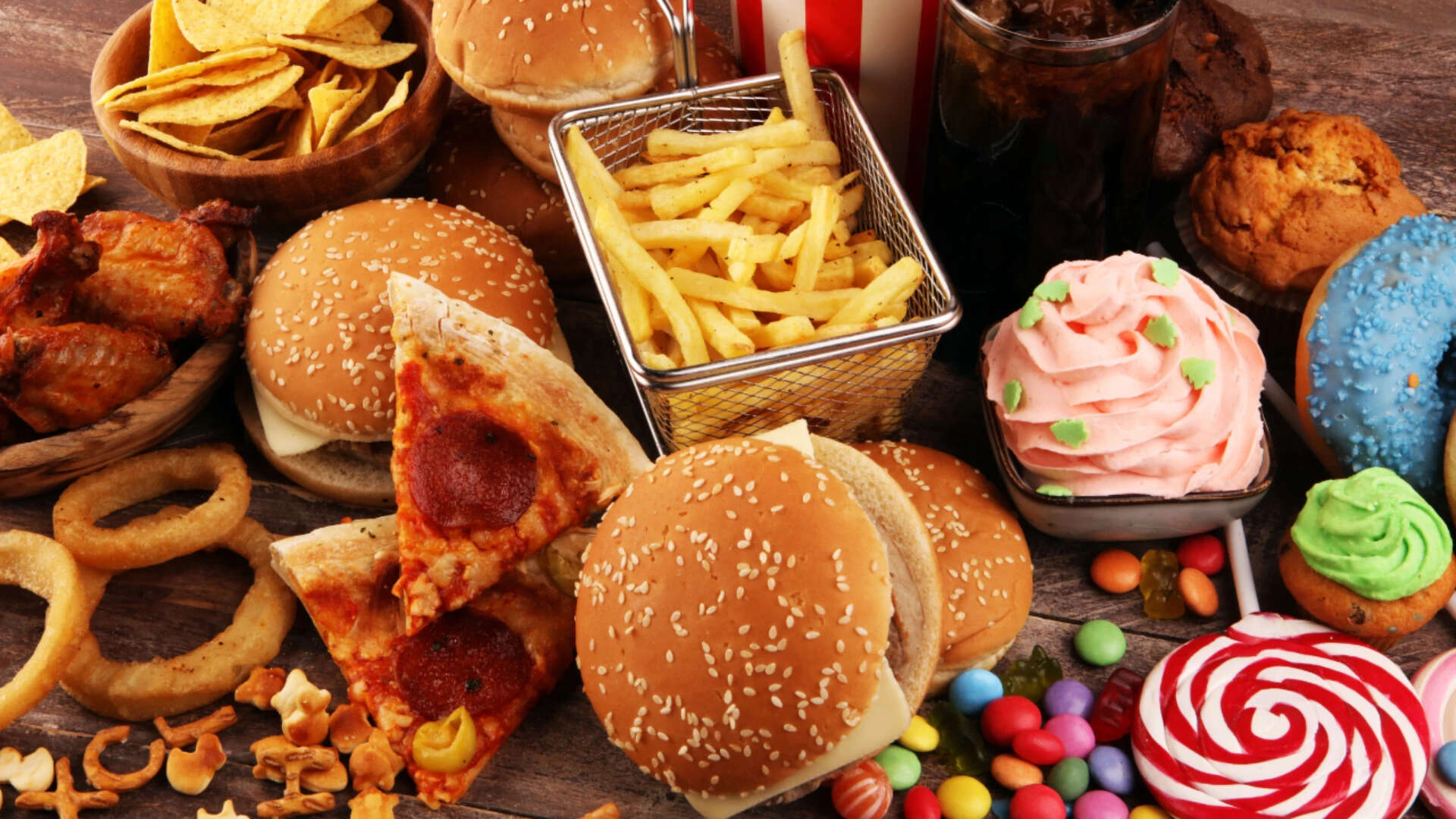
Image: Canva
The father in the viral video focused on the stomach and suggested that junk food can lead to worms. However, long before the visible damage, junk food alters gut microbiomes and the bacteria that lives in the stomach. A study published in the Nutrients journal suggests diets rich in ultra-processed foods may reduce beneficial gut bacteria, weaken the intestinal barrier and promote chronic low-grade inflammation.The effects don’t stop here- because the gut and the brain are closely connected through the gut-brain axis. This means that what children eat can influence much more than digestion. The brain may feel the effects too. According to astudy published in Nutrients journal, highly processed foods do not have the nutrients that support brain development. Along with the absence of zinc, vitamin D and magnesium, they contain excessive added sugar that stimulates the brain’s reward pathways and makes children crave foods more frequently while contributing to inflammation that may affect mood and behaviour.
Why junk food is hard to resist
Ultra processed foods are designed to be hyper palatable. This means that these foods are artificially engineered to be intensely pleasing to one’s taste buds. A 2024 review published in Current Obesity Reports explains that these foods can produce strong reward responses and, in some people, addiction-like eating behaviours, although researchers caution that the science is still evolving and not everyone experiences food this way.In this way, repeated exposure of these foods may shape taste preferences, and thus, those addicted to it may begin finding naturally nutritious foods less appealing.
What can parents do?

Image: Canva
Long term healthy eating habits are built through consistency rather than fear. Instead of banning junk food altogether, parents can try to create habits where healthier options are chosen naturally.The most important fact to understand here is that children, especially the little ones, don’t buy junk food themselves. It’s their parents who usually buy them. The easiest thing one can do is stop buying junk food and bringing it home. When junk food is out of reach, children will naturally choose homemade healthy food because they don’t have access to it. It’s understandable that many children resist when parents ask them to eat healthy home made options- simply because to children they don’t seem appealing. In the attempts to make children eat so they don’t end up being hungry, some parents offer junk food to their children. However, allowing children to feel a little hungry can make them more willing to eat nutritious foods. The key is not to let them become excessively hungry, as prolonged hunger can leave negative effects.Remember, children will do what’s most accessible to them. It’s up to the parents whether they offer sugary snacks or freshly cut fruits!