







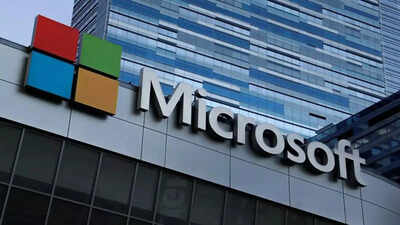
Microsoft acted within the boundaries of federal labor statutes when it dismissed two staff members who coordinated an unauthorised protest addressing the armed conflict in Gaza at the tech giant’s main corporate campus, according to an Advice Memorandum released by the National Labor Relations Board (NLRB). After reviewing the dispute, the NLRB’s Division of Advice concluded that the demonstration lacked a sufficient link to genuine workplace issues, leaving the participants outside the statutory safeguards of the National Labor Relations Act (NLRA).
What happened at Microsoft’s Redmond Campus
The conflict originated in May 2024, when a group of Microsoft staff circulated a formal petition urging leadership to cancel cloud-computing Azure agreements with Israel. Months after circulating the appeal, two workers organised an on-campus protest featuring an employee walkout, an outdoor vigil, a guest speaker presentation and a charitable fundraiser.Although notices promoting the event contained an indirect digital link to the earlier petition, the gathering did not declare any clear employment-related grievances as its purpose.Notably, corporate security officers notified organisers that company grounds could not host the gathering and repeatedly advised participants to relocate to neighboring public land. When those warnings were ignored, Microsoft fired both lead organisers for defying security orders and breaching corporate workplace rules.
What NLRB said after analysis
The regulatory guidance explores when workplace demonstrations cross the line from protected concerted action into unprotected activity due to an overly distant link to employment conditions.The Division distinguished the matter from the 2024 Home Depot USA decision, where an employee’s refusal to take off a “BLM” apron emblem was considered protected because it served as a direct extension of workplace racial discrimination grievances. Therefore, under that standard, actions remain protected if at least one clear goal involves working conditions, even when political themes dominate.“We conclude that the Employer’s termination of [the staff] for holding the protest did not violate the Act because the event was not for mutual aid or protection. This element focuses on whether employees seek to improve terms and conditions of employment or otherwise improve their lot as employees,” it said.The Division determined the Microsoft gathering failed that benchmark with regulators ruling that merely referencing a months-old petition was not enough to prove the gathering aimed to better workers’ terms of employment.Furthermore, the agency also rejected the workers’ contention that maintaining commercial ties with Israel could depress Microsoft’s business earnings and ultimately reduce staff compensation and fringe perks, deciding that such a speculative chain of events was too distant to grant NLRA shielding.“We reject the Charging Party’s argument that the protest was for mutual aid because the Employer’s relationship with Israel could harm public perception and thus the company’s financial performance, thereby affecting employees’ compensation and benefits. Such a link to terms and conditions is too attenuated to satisfy this element. Moreover, such an argument is inconsistent with precedent holding that efforts to affect the ultimate direction and managerial policies of the business or influence the product fall outside the clause’s scope, notwithstanding that those activities might also have an ancillary effect on a business’s finances,” it added.