









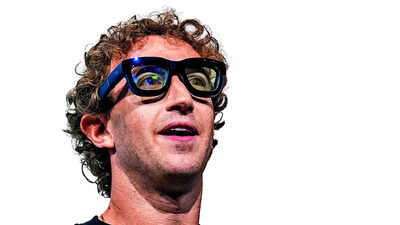
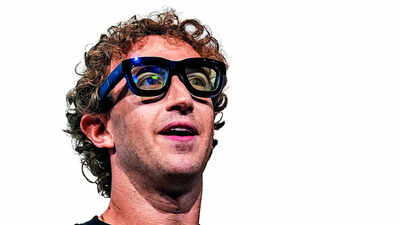
Meta paid Kylie Jenner to make camera glasses look like ordinary eyewear. Britain’s hospitality trade has decided they are nothing of the sort. A report in The Guardian says a widening list of UK venues—high-end London dining rooms, private members’ clubs, the country’s largest pub chain and a major theatre group—are now telling customers to take off the £359 (roughly Rs 40,000) smart glasses, or at minimum stop filming with them.The bans land at an awkward moment for Meta. Sales tripled over the past year, with more than 7 million pairs sold worldwide, and the company has been steadily expanding the lineup with celebrity-fronted designs. But the same discretion that makes the glasses appealing to wear is exactly what venue owners have flagged as the problem. A phone pointed at a table is obvious. A pair of cat-eye frames is not.Restaurateurs say guest privacy ends where the hidden camera beginsJeremy King, who runs London venues including Simpsons in the Strand, Arlington and The Park, told The Guardian he would never knowingly permit “any invasion of guest privacy other than with the eyes we were born with.” Soho House confirmed filming is not allowed inside its private members’ clubs, and staff can be expected to ask wearers to remove the glasses. ATG Theatres, which operates the Bristol Hippodrome, the Edinburgh Playhouse and several London houses, said the same applies during performances.Wetherspoons, with roughly 800 pubs across England and Ireland, has taken a softer line that arrives at the same place. Chief executive Tim Martin said the standard rule in his pubs, and most pubs, is that customers cannot film staff or other patrons without permission—and that the glasses appear to breach that rule by enabling surreptitious surveillance. His instinct, he said, is to tell people to switch the cameras off. Notably, phones are not banned. The distinction is intent: a phone can record people covertly, while glasses are built to.The ‘pervert glasses’ nickname is doing more damage than any regulatorThe UK restrictions follow months of reputational bleeding. The glasses have been rebranded online as “pervert glasses,” a term that stuck after reports of men filming women without consent for pickup-artist content. One woman told the BBC a man recorded her and then demanded payment to take the videos down. Instagram head Adam Mosseri has said the platform will remove harassment content shot on the devices.Musician Lorde attacked them from stage at Madrid’s Mad Cool festival in July, telling the crowd not to buy them. Activist collective Everyone Hates Elon has plastered fake Meta ads across London bus stops, one using an optical illusion that flips Jenner’s face into a skull—a nod to John Carpenter’s They Live.Meta’s LED defence has not convinced anyone outside MetaMeta’s response has stayed consistent: every pair carries a capture LED that blinks while recording, it cannot be switched off, and the camera disables itself if the light is covered or damaged. The company says people use the glasses for music, live translation and hands-free calls.Not every operator is hostile. Michelin-starred chef Tom Kerridge told The Guardian he has no issue with them, arguing filming is simply part of modern life and can be used creatively.The bans matter beyond Meta. Courtrooms in New York, Pennsylvania and Wisconsin have already prohibited the devices, and Bloomberg reports Apple is delaying its own glasses partly to rework its privacy pitch before a WWDC 2027 unveiling. The category’s biggest obstacle is no longer battery life. It is being allowed indoors.