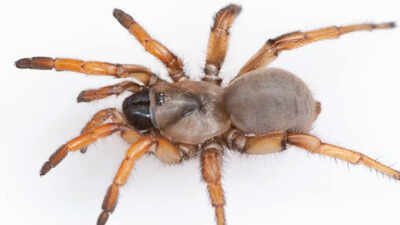







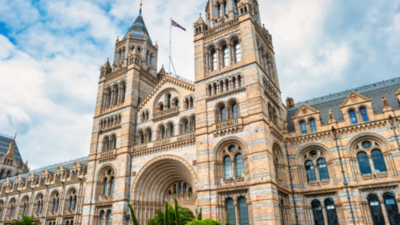
The Natural History Museum in London has recorded 92 species not previously identified in its gardens after transforming five acres of grounds into a network of wildlife habitats, with researchers also finding that woodland soil was 10°C cooler than a nearby paved courtyard during a heatwave.The discoveries were made between the reopening of the gardens in July 2024 and the end of 2025, according to the museum’s November 25 announcement. The findings highlight how urban green spaces can support biodiversity while helping scientists study the effects of climate change and human activity on city ecosystems.Among the newly recorded species are the emperor moth, small red-eyed damselfly, red beard-moss and Asian mud-dauber wasp. Researchers also found a cotton seed bug specimen that the museum described as the first known record of the species in Britain.
Five acres transformed into interconnected habitats
The gardens, located in South Kensington, were redesigned as the museum’s Nature Discovery Garden, creating a range of habitats including chalk grasslands, woodland, ponds and meadow areas. The landscape was intended to attract wildlife and serve as an outdoor research space where scientists could examine how urban ecosystems respond to environmental changes.The redevelopment was part of a wider £25 million, five-year transformation of the museum’s gardens, which reopened in July 2024. The project was designed by architects Feilden Fowles and landscape architects J&L Gibbons.The museum said its gardens have a long history of biological recording. More than 3,500 species have been documented since monitoring began in 1995, including several arthropod species recorded for the first time in Britain and numerous first regional records.
Sensors record millions of environmental readings
The latest discoveries have been supported by a growing network of environmental monitoring technology. The museum began operating sensors across the Nature Discovery Garden in 2025, and the network expanded to more than 50 sensors in 2026.The devices monitor temperature and humidity, record birdsong and urban noise, and capture underwater acoustic data from the garden’s pond. Researchers combine these readings with traditional wildlife surveys, visual observations, environmental DNA (eDNA) analysis and acoustic monitoring to build a more detailed picture of the ecosystem.The sensor network generated more than 11 million environmental data records in its first year, according to the museum’s August 2026 report. The readings are brought together through a digital data system developed with Amazon Web Services, allowing researchers to analyse observations from different sources.
Woodland soil 10°C cooler during heatwave
The monitoring system has also helped researchers examine the impact of rising temperatures on urban environments. During the June 2026 heatwave, soil temperature sensors in the museum’s woodland recorded temperatures 10°C lower than those in paved areas of the Darwin Centre Courtyard, the museum said.The comparison offers a site-specific illustration of how different urban surfaces and planting arrangements can influence ground temperatures. Scientists are investigating how factors such as tree cover, shade, soil moisture and permeable surfaces could help cities respond to rising heat.The museum cautioned through its research context that the findings are part of ongoing monitoring. The temperature difference relates to soil sensors in the woodland and paved courtyard during the heatwave, rather than a general comparison of air temperatures across London.
More research planned
The museum is expanding its sensor network into the Evolution Garden, where planting styles and visitor numbers differ from those in the Nature Discovery Garden. Researchers hope to study how habitat design and human activity affect wildlife in urban green spaces.Another ongoing project is examining the ecological effects of transferring pond material from the former Wildlife Garden into the new Nature Discovery Garden. Scientists are studying how the intervention influences biodiversity and the development of the new pond ecosystem.The research is also intended to involve visitors, schools, volunteers and community groups through wildlife recording, field surveys and citizen science initiatives.Ed Baker, acoustic biology researcher at the museum, said the discovery of 92 species showed how wildlife could thrive in the heart of London. Combining conventional surveys with new technologies, he said, would help researchers understand how urban nature responds to changes in climate, habitat and human activity.