








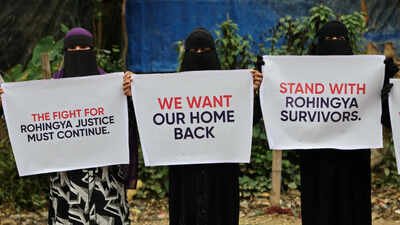
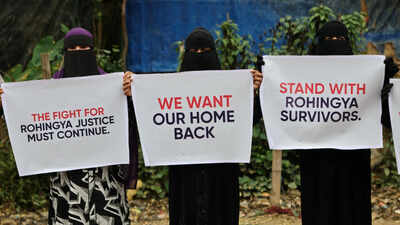
For hundreds of Rohingya refugees in Bangladesh’s Cox’s Bazar, a landmark ruling by UN court recognising Myanmar’s 2017 military crackdown as genocide has brought renewed hope for justice and a safe return home. Refugees gathered around a large screen at the camp on Thursday to follow the verdict, which many described as a “small victory”.The court held Myanmar responsible for genocide against the Rohingya minority, marking the first time it has ruled that a state committed the crime. It also ordered Myanmar to ensure the safe return of Rohingya refugees, pay reparations and prosecute those suspected of involvement in the atrocities.However, refugees told The Washington Post that the ruling was only the beginning of their fight. “Justice has started,” said Mohammad Rofik, a Rohingya community leader, adding that they still had “a long way to go”.The judgment comes nearly nine years after Myanmar’s military launched a clearance operation in Rakhine state in August 2017, following an attack by a Rohingya insurgent group. The crackdown was accompanied by allegations of mass killings, sexual violence and the burning of thousands of homes. The ICJ said evidence showed Myanmar’s forces killed around 10,000 Rohingya.Despite the legally binding nature of the verdict, its implementation remains uncertain as the court has no independent enforcement mechanism. Myanmar’s government on Friday dismissed the ruling as “unfair”.Around 1.2 million Rohingya refugees currently live in Bangladesh, most in overcrowded camps in Cox’s Bazar, facing poor sanitation, disease, fire hazards and restrictions on employment. Bangladesh has repeatedly called on the international community to help facilitate their return to Myanmar.