







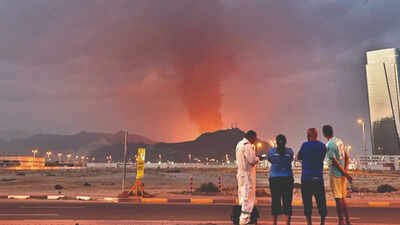
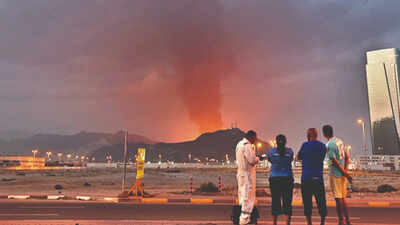
For years, building a bomb shelter beneath a luxury home or school in a Gulf financial hub would have seemed excessive. The cities marketed themselves as havens of safety and stability, attracting entrepreneurs and professionals seeking a secure, low-tax environment.That sense of security was shaken earlier this year when Iran fired thousands of projectiles at its wealthy Gulf neighbours in retaliation for US and Israeli strikes. Months later, no definitive peace deal has emerged and renewed conflict remains a threat. Tit-for-tat US-Iran strikes have raised tensions in recent weeks, while Saudi Arabia continues to fend off attacks by Iran-backed Houthis.The situation has prompted discussion about civilian protection. Specialist companies report more inquiries from homeowners and developers, although actual projects remain few and at an early stage. Some see greater potential in protecting schools and critical infrastructure.“There was no business in the region six months ago, and now there’s interest coming from everybody,” said Ron Hubbard, CEO of Texas-based Atlas Survival Shelters, which opened a UAE office days before the war began.The shift mirrors a reassessment amid rising global conflict. In Israel, reinforced safe rooms are built into many homes and buildings, while Switzerland and Finland have long maintained extensive civil defence shelter systems. In Europe, Russia’s war in Ukraine and Russian drone incursions into Nato airspace have heightened concern.In UAE, where personal security is central to the country’s appeal, life continues as normal, with conferences, concerts and sporting events scheduled despite what officials call an unsustainable state of “neither war not peace”.Atlas has about five clients pursuing shelters for UAE villas, generally 200 to 500 square metres and costing between $2 million and $5 million, Hubbard said. US-based Hardened Structures, active in UAE since 2013, now has six private shelters in planning, against roughly one every five years before the conflict. Typical Dubai projects cost about $1,200 per square foot, company president Brian Camden said. Facilities can resist ballistic and blast threats and chemical, biological and radiological hazards.A protected room may be more practical than an underground bunker. Hubbard estimated that reinforcing one room with concrete, filtered air and a gas-tight door could add about $50,000 to a new home.Dubai-based Argus founder Nader Abazid said he now receives two to three inquiries weekly, mainly from individuals, although boutique villa developers have also approached the firm. Schools operators are also reassessing risks. Jane Mason, founder of UK’s Integrated Security Systems Ltd, said protected rooms, ballistic shutters and doors add about 10% to construction costs. Its UAE school projects have risen 70% since the conflict, with data centres among the fastest-growing areas.(This is a Bloomberg story)