











For centuries, tigers roared across vast landscapes stretching from the Caspian forests of western Asia to the tropical jungles of Southeast Asia and the Indonesian islands. Today, that sound has disappeared from many of those places. As the world marks International Tiger Day on July 29, the conversation often focuses on countries where tiger numbers are recovering, such as India and Nepal.But there is another, no one much talks about, the quieter side of reality. This story is told by forests that still stand, national parks that still welcome visitors, but no longer have wild tigers.As per latest conservation assessments by WWF, IUCN and the Global Tiger Forum, wild tigers now survive in only 13 recognised tiger-range countries. Since the 19th century, they have disappeared from at least 14 countries, with several local extinctions occurring within just the last 25 years.On this note, let’s have a look at 10 countries where the tiger doesn’t roar anymore.Cambodia
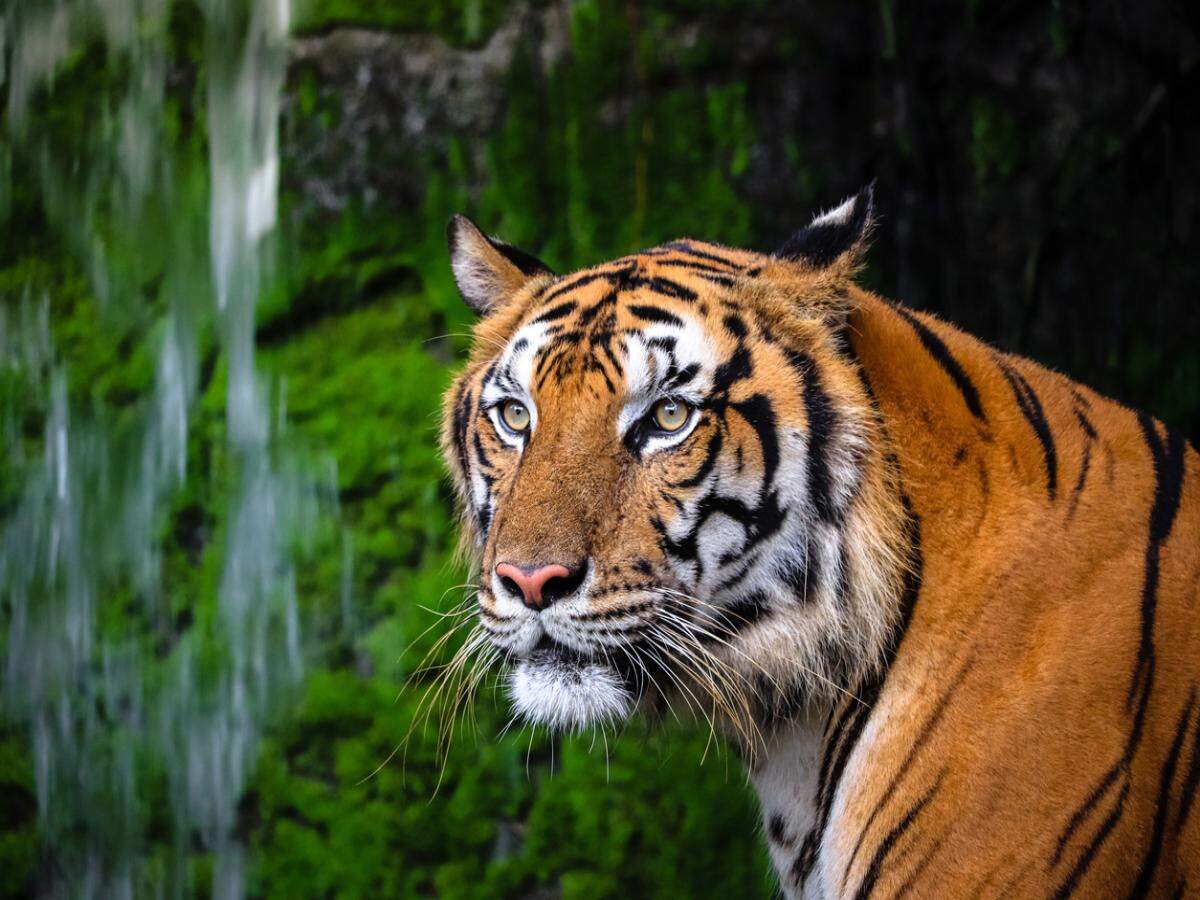
No tiger to see here
Cambodia was once home to the Indochinese tiger. But in 2016, the government of Cambodia officially declared the species functionally extinct. No confirmed sightings.Laos (Lao PDR)Though most of Laos is covered in dense forests, wild tigers have long gone. Camera trap surveys over many years failed to record breeding populations, leading conservation organisations to classify the tiger as locally extinct. VietnamVietnam’s forests also once supported Indochinese tigers from north to south. Today, despite extensive protected areas, no viable wild population remains. Kazakhstan

countries that have lost their wild tigers
The Caspian tiger once roamed the valleys of Kazakhstan but the creature vanished during the 20th century. Habitat conversion and hunting are the reasons. UzbekistanUzbekistan also lost its Caspian tiger population decades ago. Expanding agriculture, river engineering and hunting transformed the landscapes that once supported one of the westernmost tiger populations in history. TurkmenistanThe tiger once followed river systems across Turkmenistan’s tugai forests. But the country’s largest predator disappeared dramatically.Tajikistan

No tigers here
Tajikistan’s river valleys were once part of the Caspian tiger’s western range. Today, the country is better known for snow leopards than tigers. Yet its history illustrates just how extensive the tiger’s former distribution once was across Asia.For responsible travellers, choosing ethical wildlife tourism, supporting protected areas, avoiding products linked to illegal wildlife trade and visiting destinations that invest in conservation can all contribute to ensuring that today’s tiger landscapes do not become tomorrow’s silent forests.