











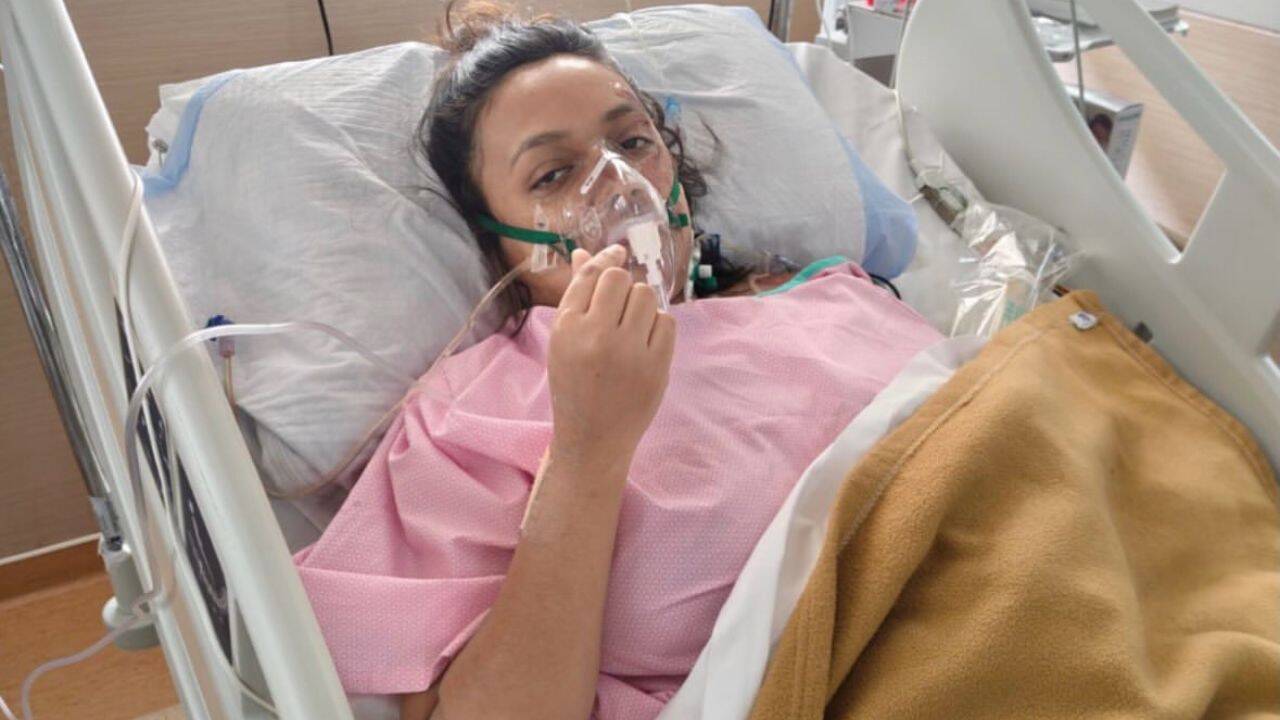
June 17 started like any other workday. Sani Krishna had to reach her office by 10 AM. She booked a bike taxi on Rapido, a platform she trusted, one that markets itself heavily on the promise of women’s safety. She had enough time. She was not rushing. She even told the rider, “We have time. You can drive slowly.” He did not listen. Just 300 meters from her home, the rider attempted to overtake a tractor. He lost control. The bike skidded. Sani went under the tractor. Its rear tyre ran over her body. The rider who had ignored her request to slow down did not stop to help. He left her on the road and ran away. Strangers nearby rushed her to a hospital.What they found when they got there was devastating. Nine broken ribs. Spinal fractures. A punctured lung. Severe internal bleeding. Her spleen had split into two and had to be removed completely in an emergency surgery. Severe liver damage. Facial trauma. “I don’t remember much of what happened next,” Sani says. Her body remembers. It will for the rest of her life.
The bill that kept growing and the company that went silent
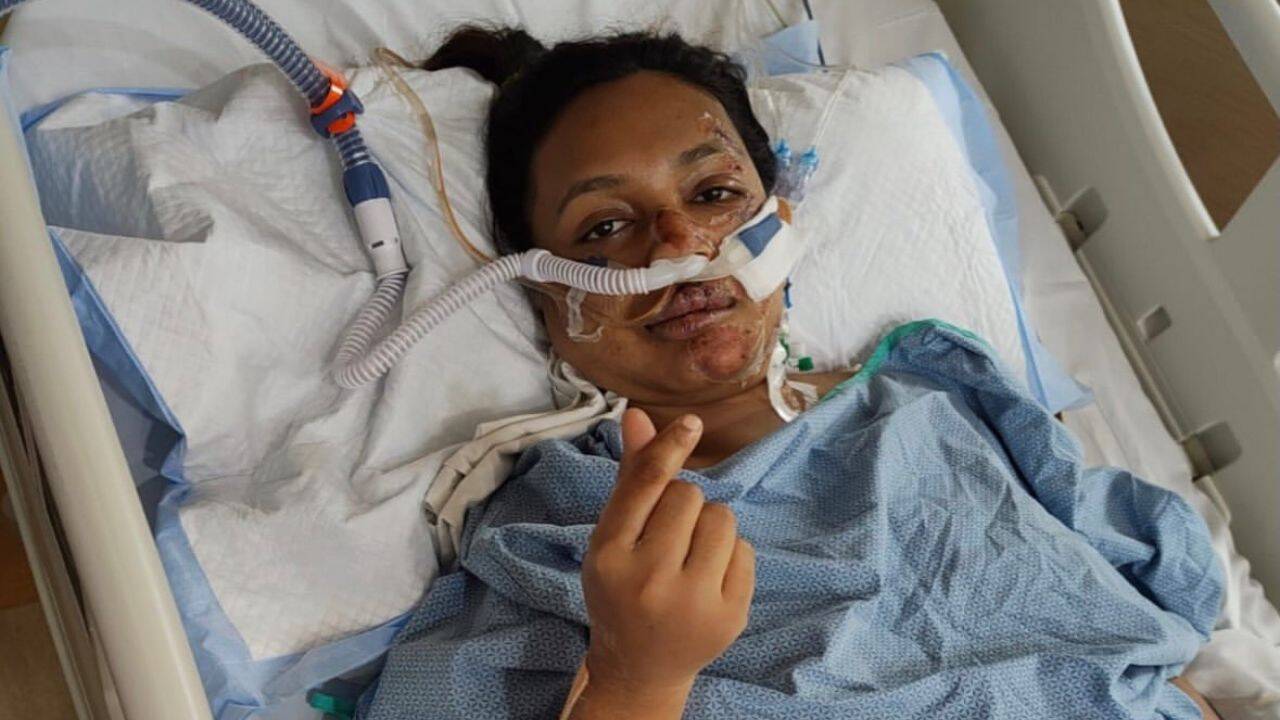
Sani’s family has spent over Rs 21 lakh on her treatment. The number is not final. Her treatment is still ongoing. The costs continue to accumulate for a woman whose only mistake was booking a ride she had every reason to trust. She contacted Rapido multiple times. She sent them her medical bills, documented everything, and followed the process that a company marketing itself on safety should have in place for exactly this kind of situation. The response from Rapido’s corporate team was silence. When they did respond, it was not with assistance. It was with a deflection, an attempt to move her massive trauma case onto a third-party microinsurance application. A woman who had just lost her spleen, who had nine broken ribs and a collapsed lung and ongoing liver damage, was being redirected to an app.They also ignored her family’s formal legal notice entirely. “While I am fighting to recover, Rapido’s corporate team has completely abandoned me,” Sani wrote in a post that has since been shared thousands of times.
‘Safety First’ and what it actually means
Rapido’s marketing is built around safety. Women’s safety specifically. It is one of their most prominent selling points, the promise that when a woman books a ride on their platform, she is protected. Sani Krishna trusted that promise. She is now taking Rapido to the Consumer Court. “Their ‘Safety First’ guarantee is a dangerous marketing lie,” she wrote, “and they can no longer treat our lives as collateral damage.“But perhaps the most disturbing part of what Sani shared is not her own story, as devastating as it is. It is what happened when she shared it. Hundreds of people responded with their own accounts. Women and men who had been severely injured on the platform and met with the exact same corporate silence. The same redirections. The same ignored legal notices. The same absence of any genuine accountability. “This is not an isolated incident,” Sani said. “This is their standard operating procedure.”
The woman behind the hospital bed
Before the accident, Sani was a woman with a workday ahead of her. A routine morning commute. A reasonable request to a driver is to please, there is no rush, drive slowly. After the accident, she is a woman rebuilding from something that should never have happened. Her spleen is gone. Her lungs are healing. Her spine carries the memory of that tractor. Her family is carrying a financial burden of over Rs 21 lakh and counting.And she carries something else too, something that no surgery can remove. “This accident has scarred me,” she says. “It has left me with PTSD and a fear I will carry for life.” PTSD. Post-traumatic stress disorder. The kind that arrives when something so sudden and so violent happens to your body that your mind cannot fully process it. The kind that makes you afraid of the things that used to be ordinary: a road, a vehicle, a morning commute.Sani was photographed the day before the accident unaware, as she says, that her life was about to change completely. That photo now sits alongside her story as the clearest possible illustration of what an ordinary Tuesday can become when a rider does not listen, when a company does not respond, and when a woman is left on a road with tire marks across her body.
What every woman who has ever booked a ride needs to know
This is not a story about one bad rider on one bad morning. This is a story about what happens when a company builds its brand on the promise of safety and treats the reality of safety as someone else’s problem. Bike taxi platforms operate in cities across India with millions of users, a significant proportion of them women who choose these services specifically because of the safety assurances that are marketed to them. They download the app, book the ride, and place their bodies in the hands of strangers, trusting that if something goes wrong, there is a system in place that will respond.Sani Krishna’s experience, and the hundreds of similar stories that emerged in the comments of her post, suggests that for far too many people, that trust is misplaced. She is going to court. She is using her voice even while her body is still healing. She is demanding accountability from a company that would prefer she disappear quietly. She will not disappear quietly. And she should not have to.
The only thing she asked for
On the morning of June 17, Sani Krishna asked her rider for one small thing. “We have time. You can drive slowly.” He did not listen. And the company whose platform he was riding for has, so far, also not listened. Sani is listening to herself now. And she is saying clearly to Rapido and to everyone watching: our lives are not collateral damage. We are not a line item in a risk assessment. We are people who booked a ride and trusted a promise. That promise has to mean something.