








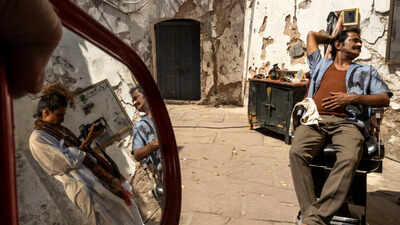
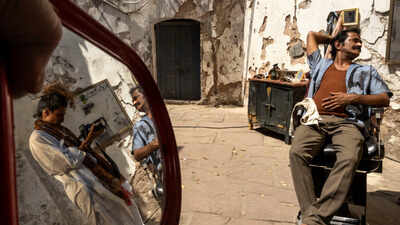
In 1966, a photograph of a woman in underwear arrived at the Vatican. The fashion imagery might seem rather tame by today’s standards, but it was enough to provoke an official complaint from the Holy See to an Italian tire company called Pirelli. The Milan-based tire manufacturer had just begun producing these exclusive, high-fashion calendars, simply called ‘The Cal’, as a trade gift for its top clients — the idea being to give VIPs something a cut above the cheap pin-up calendars that were standard fare in garages and tire shops at the time.But the condemnation had the opposite effect. Rather than suppressing the calendar, it generated enormous publicity, transforming a niche corporate giveaway into one of the world’s most coveted cultural status symbols. Within a few years, the calendar became less a marketing gimmick and more an annual referendum on where European ideas of beauty, sex and provocation stood. Over the decades, figures from Naomi Campbell, Cindy Crawford and Kate Moss to Penélope Cruz, Serena Williams and Yoko Ono have been framed within its pages by some of the world’s most influential photographers. But sixty-two years and a great many controversies later, the most recent edition of that same calendar is shot not on a Mediterranean beach or a Manhattan studio, but in the forts and villages of Rajasthan and the mean streets of Old Delhi, even featuring everyday barbers and artisans.The 2027 Pirelli Calendar is dedicated to India. For the first time, it features an all-India cast and is shot entirely in the country, built around the idea of Indian identity. So alongside glamorous portraits of celebrities like television host and author Padma Lakshmi, actress Aditi Rao Hydari, sitarist Anoushka Shankar and supermodel Bhavitha Mandava are some 200 ordinary Indians, from dancers and street artists to musicians and craftspeople.
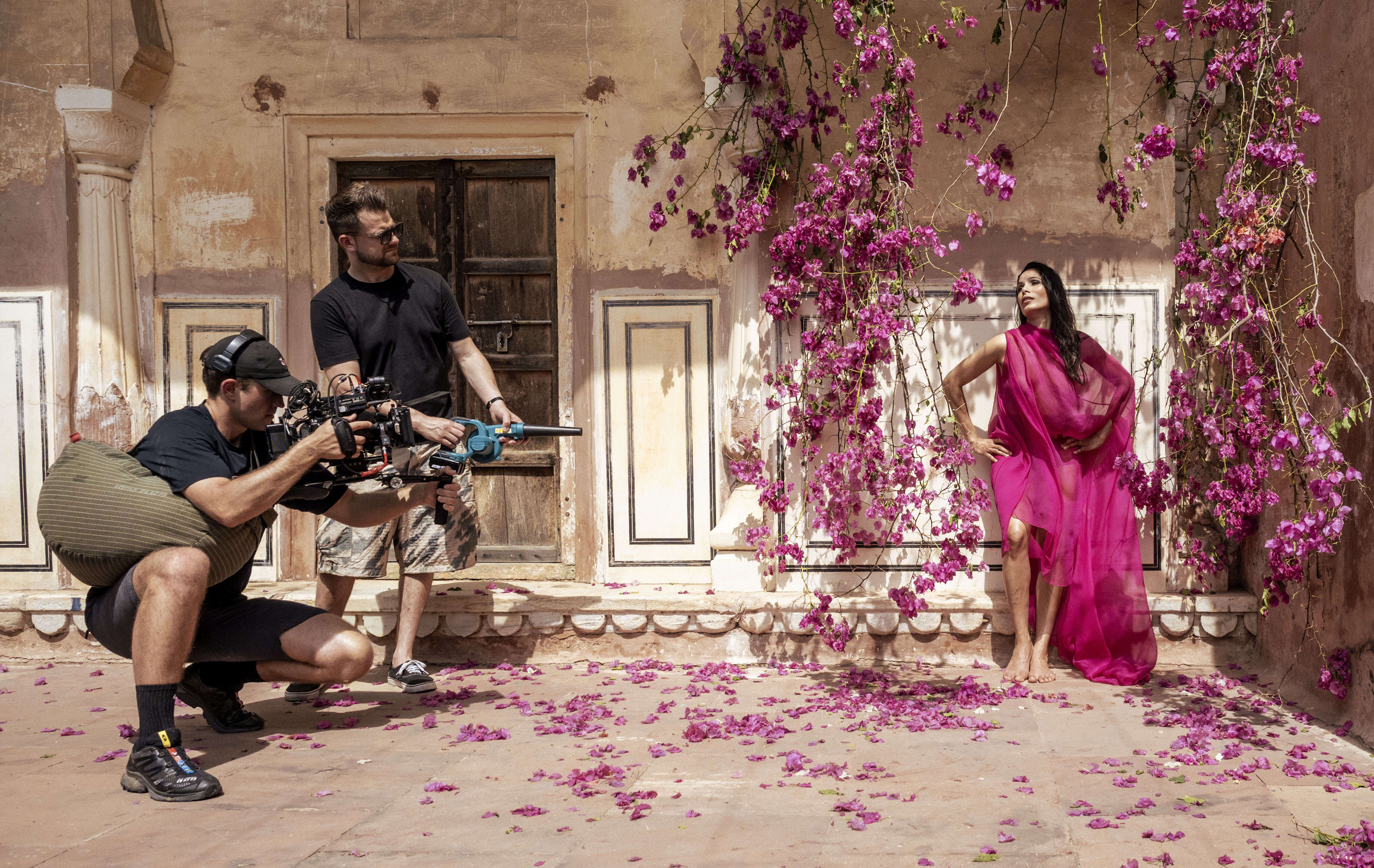
One half of the 2027 Pirelli Calendar features Indian celebrities photographed by Norwegian photographer Sølve Sundsbø I Picture credit: Alessandro Scotti
The project began as a collaboration between Norwegian photographer Sølve Sundsbø and Raghu Rai, modern India’s most celebrated photojournalist known for chronicling the country’s many faces and contradictions over several decades. Rai died in April shortly after the project began. His daughter, photographer Avani Rai, stepped in to complete it and in doing so changed its direction. What had been conceived as a studio shoot moved outdoors into the neighbourhoods her father spent his career documenting, from Kinari Bazar and Yamuna Ghat to the streets of Old Delhi.When asked how a project like the Pirelli Calendar sits alongside her reportage-driven practice, Avani, speaking to TOI, gently rejects the premise of the question. Genre, she argues, describes where a photograph ends up, not how it is made. What remains constant, whether in documentary work or a fashion commission, is the attempt to stay honest to what is in front of the camera. “Curiosity, presence and empathy are not specific to one genre of photography. The Pirelli Calendar asked me to bring those values into a different context. I wasn’t interested in making images that simply looked beautiful. I wanted them to feel alive. To hold the same emotional honesty that I search for in every photograph I make,” says Avani whose mother, conservation architect Gurmeet Rai, also appears in the calendar.Even to this day, The Cal’s physical copies are not sold publicly; Pirelli limits production to roughly 20,000 copies annually and they are sent as corporate gifts to monarchs, CEOs, prime ministers, top celebrities, fashion icons and the like.But why India? Sundsbø says it was a long-held ambition within Pirelli. His contribution came from a very different vantage point—that of an outsider conscious of his own limitations. “The fact that Avani and Raghu Rai’s images would be one half of the Calendar enabled me to concentrate on portraits. That’s a smaller and more realistic task for a visitor than capturing the whole soul of a nation.I didn’t try to decide what “Indianness” should mean. Especially not as the guest that I am. I tried to cast people I admire, women who have inspirational talent,” says Sundsbø.The edition also marks the first time Pirelli has commissioned two photographers to share a calendar. What makes the India edition notable is not simply that it swaps eroticism for cultural identity; the calendar has been moving in that direction for years. Rather, it is the first edition shaped by two intertwined perspectives: an outsider looking in and a daughter completing her father’s final project in the streets he loved.
Share your thoughts in the comments
Be respectful · TOI community guidelines
“I used to think inheritance was about continuing someone’s work. Now I think it’s about continuing their way of being in the world. The patience they lived with. The integrity they carried. The generosity with which they met people. Those are the things that survive,” says Avani.“Completing the calendar gave me a sense of continuity. It wasn’t about recreating him or holding onto the past. I understood that what he had really left me wasn’t an archive or even a body of work. It was a practice of being alive to the world,” she adds.