









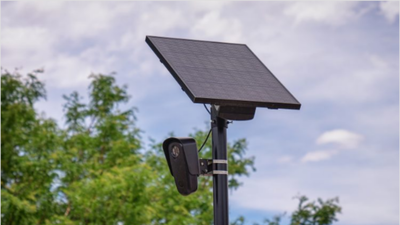
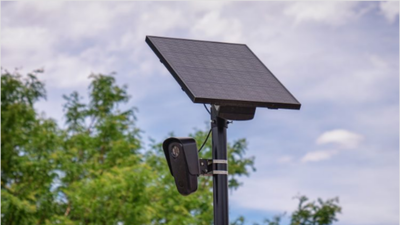
Surveillance startup Flock Safety is facing mounting pressure as Americans vandalize its license plate reader cameras from Florida to California. The company has seen dozens of cities terminate contracts in recent months, citing privacy concerns and alleged misuse of its technology. Advocacy groups say at least 93 city and county governments cut ties with Flock in August alone, tripling the rate of contract losses compared to the past five years.
Flock announced the voluntary separation program
Flock announced the voluntary separation program, offering what it called a “generous” severance package — roughly double what the company has previously offered departing staff — to employees who choose to leave. Applications opened the same day and remain open until October 2. Internally, Flock expects to approve buyouts for most employees who apply, and people familiar with the matter believe a significant share of the company’s roughly 1,500-person workforce may attempt to leave.Employees who take the offer would reportedly receive severance packages in the tens of thousands of dollars, several months of continued health coverage, and an extended two-year window to exercise stock options — notably longer than the company typically grants employees who resign on their own. Applicants are expected to learn whether they were approved on October 9, with most departures set for October 29, though Flock may ask some employees to stay on for one to three additional months.Flock described the program internally as giving employees more agency and treating them with transparency and choice, framing the severance as its most generous ever. The company did not respond to Wired’s request for comment.
Why it’s happening now
The buyout program comes as Flock faces mounting pressure on two fronts: contract losses and physical attacks on its hardware. One advocacy group identified 93 city and county governments that cut ties with Flock in August alone, and by Wired’s count, roughly three times as many local governments have dropped the company in 2026 as did over the previous five years combined. At the same time, a wave of vandalism targeting Flock’s license plate readers has driven up the company’s expenses in ways it hadn’t planned for.People familiar with the severance plan told Wired that without the buyouts, Flock would almost certainly have had to lay off staff instead. There’s also speculation that the company — which has raised about $1.2 billion in venture funding and was valued at more than $8 billion in an April funding round — could eventually sell off parts or all of its business to stay financially stable. As one person close to the matter put it, the scale of the vandalism this year has made clear that change is inevitable.
Mounting privacy concerns
The backlash has been fueled in large part by Wired’s own reporting over the past month, which has documented police officers allegedly misusing Flock’s system to track former romantic partners and colleagues, found that agencies share access to the network far more widely than expected, raised questions about the opacity of how Flock’s devices are manufactured, and detailed just how much data the cameras collect after analyzing a dismantled unit.Flock CEO Garrett Langley addressed the backlash last month on the All-In podcast, acknowledging that the criticism’s biggest toll had been on internal morale, and expressing frustration that the company was facing anger online for practices it says it’s carried out unchanged for nine years, insisting the goal has always been public safety.
Expanding beyond license plates — quietly
The controversy has also drawn attention to how far Flock’s technology has expanded beyond its original purpose. Wired reported last month that the company has built AI-powered investigative tools capable of identifying drivers, surfacing potential associates based on movement patterns, and searching across police records and other databases. A separate Wired analysis found software capable of continuously scanning live camera feeds for people matching written physical descriptions, along with signs of potential integrations with drones and other surveillance systems — findings likely to add further fuel to the very backlash the company is now trying to manage.