








A seagrass meadow transplanted off the Italian island of Ischia in 2009 is offering evidence of what restoration can look like over the long term. 17 years later, scientists have returned to the site and found encouraging signs that parts of the restored Posidonia oceanica meadow are developing into a functioning ecosystem. The latest monitoring campaign suggests that successful restoration is about more than keeping transplanted plants alive. A restored meadow may gradually regain ecological functions. The findings are valuable because long-term monitoring of Mediterranean seagrass restoration remains uncommon, leaving major questions about what happens after the first few years of a project.
Story of Ischia seagrass meadow that was transplanted off the Italian island
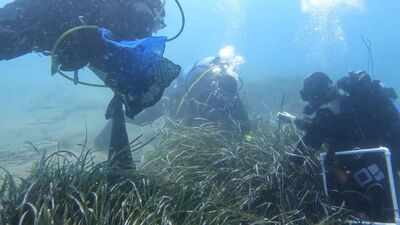
The meadow was transplanted in 2009 in the waters of the Regno di Nettuno Marine Protected Area, off Ischia. In May 2026, researchers from ISPRA, Italy’s national environmental research and protection institute, returned to the site as part of the Interreg Euro-MED ARTEMIS project.According to the ARTEMIS report, the researchers examined different restored areas because the transplanted sections had not all experienced the same level of success. They also compared the restored plots with nearby natural Posidonia oceanica meadows, allowing them to assess how the transplanted habitat had changed over nearly two decades.That long period is one of the most important parts of the story. Many restoration projects are assessed soon after transplantation, but Posidonia meadows develop slowly. A project that appears promising after a few years may still need much more time before scientists can understand whether it is genuinely recovering as an ecosystem.The Ischia site therefore provides an unusually long view of the process. The 2026 campaign was designed to look beyond the condition of the plants themselves and examine whether the restored meadow was beginning to perform the wider ecological roles expected from a healthy seagrass habitat.
Ischia seagrass meadow becoming a functioning ecosystem over 17 years
The researchers studied both the physical and functional characteristics of the restored seagrass and the biodiversity associated with it. According to ARTEMIS, the results were encouraging in the areas where the transplanted shoots had successfully established.Tiziano Bacci, a marine biologist and researcher at ISPRA, said many ecological indicators in those successful areas were now comparable to those found in nearby natural Posidonia oceanica meadows. Some differences remain and are still being investigated, but the findings suggest that a carefully restored meadow can gradually recover important elements of its original ecological character.This distinction matters because a restoration project cannot be judged simply by counting surviving plants. A meadow becomes more meaningful when it also begins supporting the relationships and processes that make the habitat useful to the wider marine environment.The ARTEMIS report says the Ischia findings show signs of recovery in the meadow’s structure, functions and ecosystem services. In practical terms, this means the restored habitat is beginning to resemble a living system rather than merely a collection of surviving transplanted shoots.
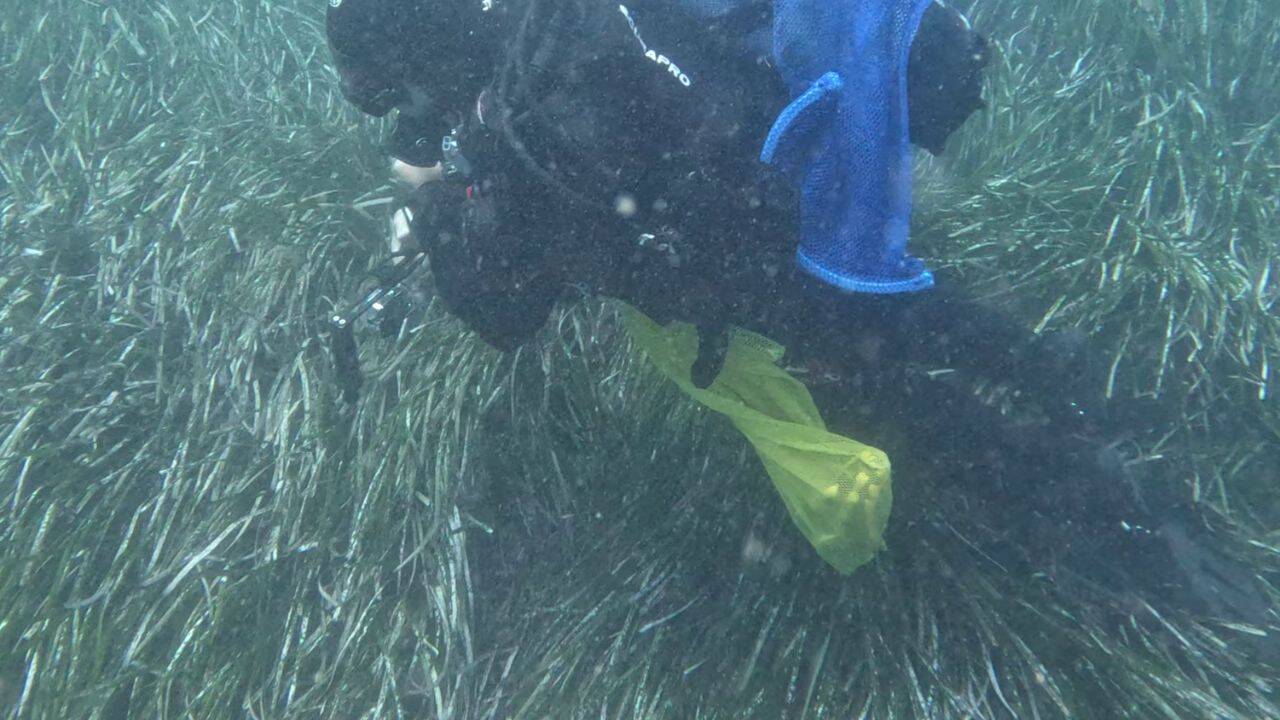
17 Years Later, Ischia Posidonia Restoration Shows Long-Term Success. Image Credit: ISPRA
A healthy meadow can support life above and below the seabed
Posidonia oceanica is one of the Mediterranean’s most important seagrass species. Its meadows provide habitat for marine biodiversity, help protect coastlines and store carbon.The ARTEMIS project, which focuses on restoring and conserving Mediterranean seagrass meadows, describes these habitats as valuable parts of the region’s natural infrastructure. The project works on restoration methods while also exploring ways to incorporate the benefits of seagrass ecosystems into policy and investment decisions.At Ischia, the long-term results suggest that restored seagrass can eventually provide many of these benefits again when conditions allow. ARTEMIS notes that a recovering meadow can support marine life, contribute to coastal protection, store carbon and improve the resilience of the surrounding ecosystem.However, the story does not suggest that transplantation offers a quick or automatic solution. The difference between the various restored areas at Ischia shows that success can vary within the same project. Environmental conditions and the ability of transplanted shoots to establish themselves can make a major difference to the eventual outcome.
Long-term monitoring is essential for seagrass restoration
Barbara La Porta, a senior researcher at ISPRA, said the Ischia case demonstrates why restoration sites need to be monitored over long periods. According to ARTEMIS, long-term data from Mediterranean seagrass restoration projects remain scarce, even though such information is needed to improve techniques and guide future work.The monitoring at Ischia can help scientists understand how restored meadows evolve over time. That knowledge may improve restoration methods, refine the way projects are assessed and make it easier to distinguish between short-term survival and genuine ecological recovery. The Ischia meadow is especially useful because it offers something that newer projects cannot yet provide, which is evidence gathered after 17 years.
Mediterranean restoration still faces funding and coordination problems
The encouraging results from Ischia come at a time when Mediterranean seagrass restoration is facing much larger challenges. Oceanographic Magazine reports that restoration efforts across the region remain too small, isolated and poorly funded to reverse the continuing decline of Posidonia oceanica at the necessary scale.The report highlighted pressures including coastal development, anchoring damage and climate change. It also found that restoration is often hindered by inconsistent governance, differing technical standards and funding that does not match the long timescales required for ecosystems to recover.The Ischia case gives a real-world example of why patience matters. Seventeen years is a long time to wait for evidence, but that is precisely what makes the meadow valuable as a case study.The transplanted seagrass off Ischia has not simply produced a story of plants that survived. In its most successful areas, scientists are now seeing signs of an ecosystem that is beginning to function in ways comparable to a natural Posidonia meadow. The lesson is not that every restoration project will achieve the same result, but that lasting recovery can require careful planning, suitable conditions and, above all, time.