






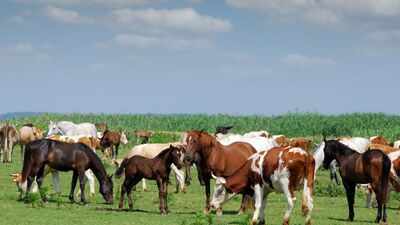
A South Carolina family has permanently protected 2,000 acres of farmland, forests and waterways that had remained in private ownership for generations. The Creekland Farms property in Laurens County was placed under a conservation easement in 2025, preventing future development while allowing the landowners to continue using it for agriculture, forestry and recreation. The Nature Conservancy described the agreement as the largest conservation easement in Laurens County’s history. The farm once supported champion Hereford and Polled Shorthorn cattle, Rhode Island Red chickens and thoroughbred horses. Today, its fields and forests remain connected to the 170,000-acre Enoree District of the Sumter National Forest, creating a protected landscape in a rapidly growing part of South Carolina. Read on to know more:
A family farm under pressure
Creekland Farms sits in Laurens County, an area located between Greenville, Spartanburg and Columbia. The property’s rural setting has remained important to the family, but the region is experiencing rapid growth and increasing development pressure. The Nature Conservancy said Laurens County is the third-fastest-growing county in South Carolina’s Upstate region. As new homes, roads and commercial areas spread across the region, large connected areas of farmland and forest are becoming more difficult to preserve.The family’s decision was influenced partly by the farm’s proximity to several growing cities. Keeping the property rural required a long-term commitment because future owners could otherwise face strong financial incentives to sell land for development. Rather than transferring the farm to a public agency, the family chose a conservation easement. This legal agreement permanently limits development rights while allowing the property to remain privately owned and managed.
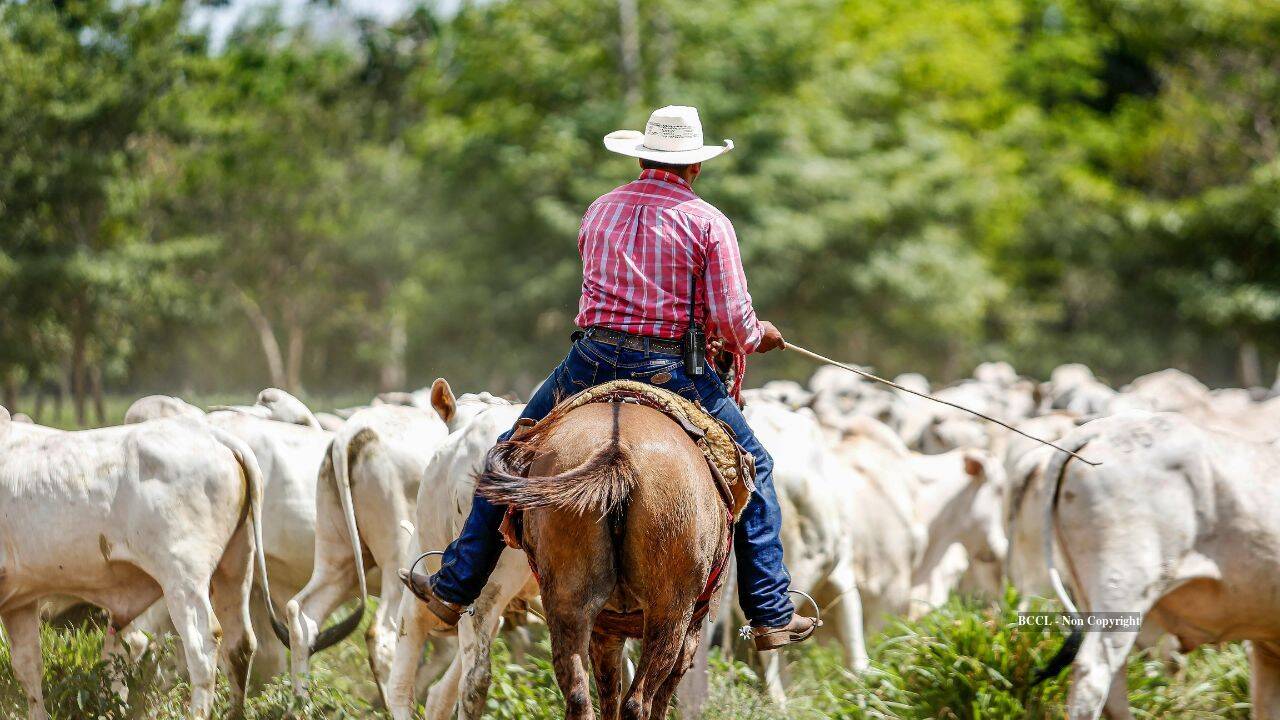
Representative image
What the conservation easement is all about
A conservation easement is a voluntary legal agreement to preserve a property’s important natural, agricultural or scenic features. The landowner retains title to the property but certain activities are permanently restricted including large-scale development or subdivision. At Creekland Farms, the easement allows the family to continue using the land for forestry, agriculture and recreation. The property can remain a working farm rather than becoming a public park or a preserve closed to all private activity. The agreement protects the farm’s rural character while giving the owners flexibility to manage the land according to their needs. Cattle, horses, forests, lakes and fields can remain part of the property’s future.The Nature Conservancy helped secure the easement and described it as a way for a family’s values to continue across generations. Conservation agreements of this type can allow landowners to maintain control while preventing future changes that would permanently alter the landscape.
A history of animals and agriculture
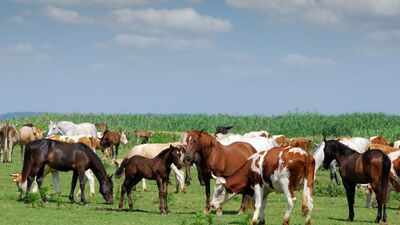
For multiple generations, Creekland Farms was a place where the family raised animals and managed a working agricultural property. The farm was known for champion Hereford and Polled Shorthorn cattle, breeds valued for their strength, quality and importance to cattle production. The family also raised Rhode Island Red chickens and thoroughbred horses. These animals were part of a wider rural tradition in which farms served as both businesses and family homes.Agriculture land can be more than fields for crops. Farming may be done in pastures, barns, wooded areas, ponds and streams, which are also home to wildlife. Creekland Farms’ conservation easement protects this blend of working land and natural areas. It ensures that the property can continue to be used productively without being divided into residential developments or commercial sites.
Connected to a larger forest
One of the property’s most important features is its connection to the Enoree District of the Sumter National Forest. The district covers approximately 170,000 acres and provides a large surrounding landscape of forest, streams and wildlife habitat. Connected properties are especially valuable for conservation because animals and plants often require more space than a single protected parcel can provide. Forest connections allow wildlife to move, find food and respond to changing conditions.The 2,000 acres at Creekland Farms add privately protected land to the broader public forest landscape. Although the farm remains privately owned, the easement reduces the risk that development will fragment the surrounding area. The property’s waterways and forested areas also contribute to water quality and local environmental health. Undeveloped land can help filter rainfall, reduce runoff and provide shade along streams and ponds.
Balancing growth and conservation
The agreement comes at a time when Laurens County is trying to accommodate new residents while retaining the rural landscapes that define much of the region. Growth can bring jobs, services and investment, but it can also increase traffic, strain infrastructure and remove farmland. Protecting large properties helps create a balance between those competing pressures. Development can continue in appropriate locations, while farms, forests and waterways remain available to support food production, wildlife and community well-being.Dale Threatt-Taylor, executive director of the Upstate South Carolina office of The Nature Conservancy, said the county’s fields, forests and waterways were under considerable pressure from growth. He credited the family’s long-term vision with protecting the property permanently, as per the report.The agreement also demonstrates that conservation does not always require government ownership. Private landowners can play a major role in protecting South Carolina’s landscapes when they choose to restrict development on their property.
A decision intended to last forever
The conservation easement is permanent, meaning its restrictions remain in place even if the property changes hands. Future owners will be able to manage the farm, forest and recreational areas, but they will not be able to develop the land in ways prohibited by the agreement. That permanence was central to the family’s decision. The owners wanted the farm’s rural character and natural resources to survive beyond the current generation.For a family property, such a decision can carry emotional as well as financial significance. It protects the places where animals were raised, family members worked and generations built memories. The Creekland Farms agreement now gives those values legal protection. The land can continue to support agriculture, forestry, wildlife and recreation while remaining part of a larger rural landscape.
A model for family landowners
The protection of Creekland Farms shows how conservation easements can help families keep land in private hands without leaving it vulnerable to future development. The agreement does not freeze the property in time. Instead, it allows the farm to remain active while setting clear limits on how the land can change.For Laurens County, the deal preserves one of its largest remaining private rural properties. For the family, it provides a way to carry forward a commitment to farming and open space.As South Carolina’s Upstate continues to grow, decisions like this will become increasingly important. The future of the region will not be shaped only by new buildings and roads, but also by the farms, forests and waterways that communities choose to protect.Creekland Farms now stands as a lasting example of that choice. Its cattle pastures, wooded areas, lakes and fields will remain part of the landscape, protected from development for generations to come.