






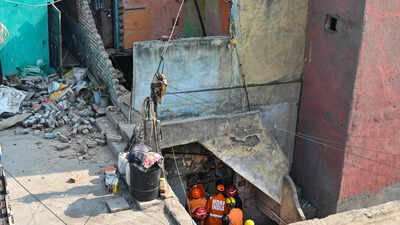
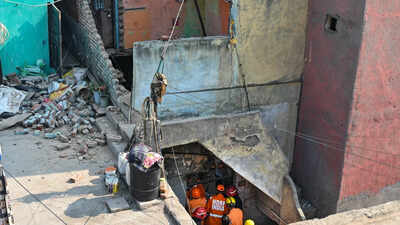
NEW DELHI: In less than three months, a spate of building and structural collapses across Delhi has claimed 22 lives and left at least 27 people injured, bringing into sharp focus concerns over the safety of ageing and dilapidated structures, unauthorised construction and inadequate enforcement of building safety regulations in the city.These casualties were reported across six major building collapses since Sept. In the first incident, a building in Satya Niketan killed seven people and injured five others on Sept 6. In Oct, structural collapses claimed six lives and left eight people injured. The toll rose further in Nov, with nine people losing their lives and 14 sustaining injuries in building-collapse incidents reported up to Nov 17.Former Delhi Fire Service chief Atul Garg said building collapses are often caused by two major factors. The first is the lack of a proper structural assessment before construction, with buildings frequently being erected in haste without adequately examining the strength and stability of the structure.“Builders often fail to pay attention to critical aspects, such as whether lintels have been properly installed and whether the supporting materials have sufficiently dried and settled before further construction is undertaken,” he pointed out.
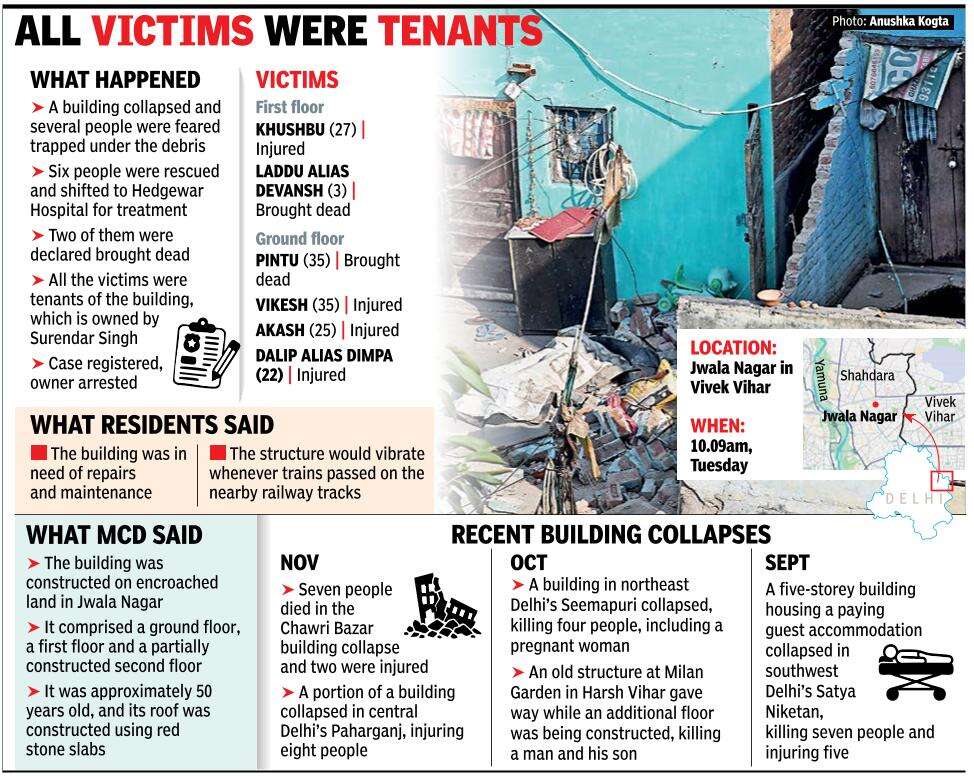
The second factor, according to him, could be water seepage, which gradually weakens the structural integrity of a building. Garg said property owners often ignore signs of seepage and fail to undertake timely repairs or maintenance, allowing the damage to worsen over time and potentially leading to a structural failure or collapse.According to DFS data, till Oct 26, the department received 396 calls related to house collapses. The situation was no different in 2025, when more than 500 calls were received.Professor V K Paul, director, School of Planning and Architecture, said there were several reasons behind collapses. A key factor is the absence of proper architectural and structural design, with buildings often constructed without following established processes or involving competent engineers and contractors.Another reason, he said, is the modification of structures after construction, which can adversely affect their stability. He said old buildings do not collapse suddenly but usually show signs of structural distress gradually, which need to be identified and addressed in time.A third factor is the condition of the soil, he said. The presence of water beneath or around a building can weaken the ground and affect its foundation, potentially leading to subsidence. Construction activity without considering impact on neighbouring buildings can also compromise the stability of an existing structure.Paul stressed the need for a graded inspection system to assess buildings, identify those showing signs of structural distress and prioritise in a graded manner for timely repairs and necessary interventions.