











Canadian entrepreneur Justin Cheung has discovered a way to turn grocery-store food waste into a business opportunity, by turning discarded orange and lemon peels into sweet and sour snacks. His company, Second Savor, makes candied and dehydrated citrus products from the waste of juice companies. A sustainability project by a Simon Fraser University student has turned into a growing snack brand, with products appearing in grocery stores. BCBusiness reports the company made $100,000 in revenue during its most recent fiscal year, a major milestone for its young founder.
Justin Cheung turned discarded citrus peels into a snack business
The idea behind Second Savour came from Cheung’s interest in reducing food waste and a snack he remembered enjoying during his childhood in Asia. As reported by BCBusiness, Cheung was just 18 when he joined an extracurricular sustainability project at Simon Fraser University’s Beedie School of Business. He began exploring whether discarded food could be converted into something consumers would actually want to buy.The concept centred on citrus peels left behind by grocery stores and juice producers. Rather than allowing the material to go to waste, Cheung developed a process to make candied, dehydrated peels into snacks. The result became Citrus Treats by Second Savour, a product line manufactured and distributed in British Columbia.The business also established connections with Save-On-Foods and Chasers, a cold-pressed juice wholesaler, to obtain discarded orange and lemon peels. This arrangement gave the company access to ingredients while helping suppliers manage material they otherwise had to dispose of.
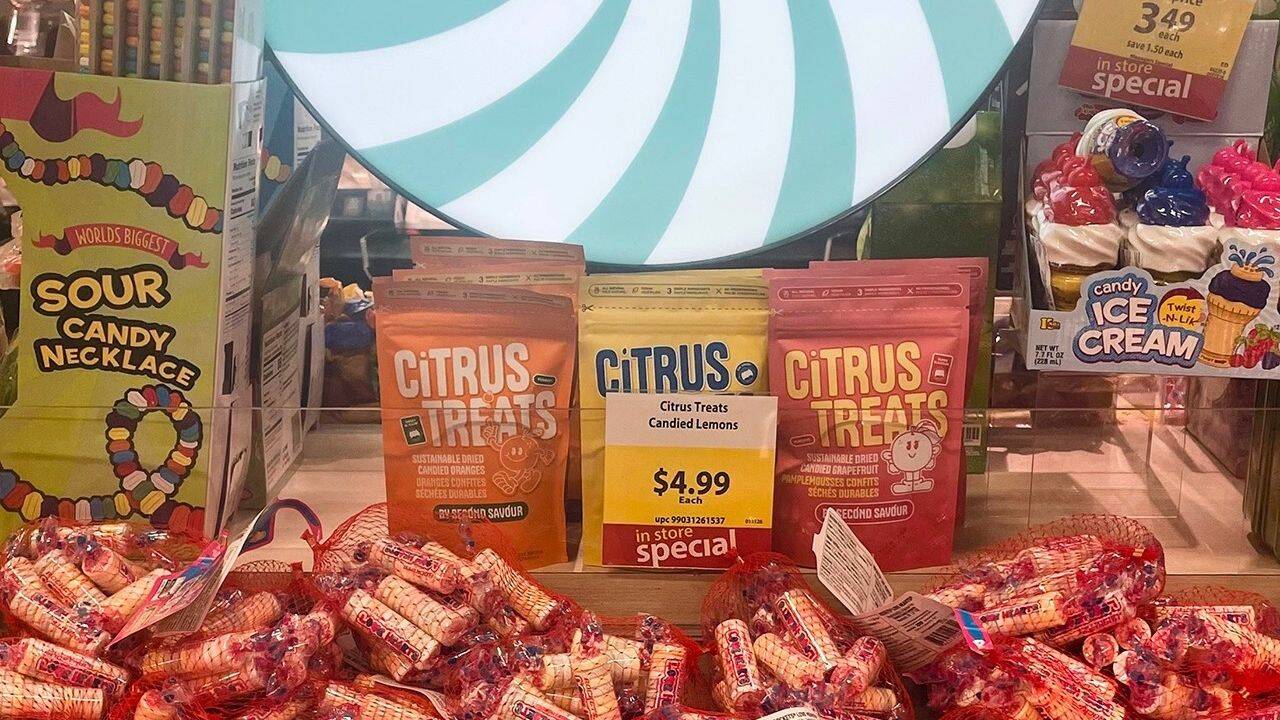
Image Credit: SFU
From a student initiative to a growing food brand
Second Savour did not begin as an established business with significant sales. It was originally part of Enactus, a student entrepreneurship initiative at SFU, where the founding team developed the concept. Its first year brought in only a few hundred dollars.According to Cobuu Ventures’ September 2026 interview with Cheung, the venture generated approximately $460 in its first 12 months before the original team left. Cheung decided to take responsibility for the project and set himself a target of reaching $50,000 in revenue by the end of the following year.The challenge was not simply developing a product. He also had to rebuild the team, find financial support and establish a way to sell the snacks. Cobuu Ventures reported that Second Savour generated approximately $70,000 in revenue in 2025, starting the year with around $3,000.BCBusiness subsequently reported that the company reached $100,000 in its most recent fiscal year, demonstrating that the venture had moved beyond its modest student-project beginnings.
What makes Second Savour’s citrus snacks different
The company’s products use citrus peels that juicing businesses would otherwise discard. Instead of relying on fresh fruit for the entire product, Second Savour gives the leftover peel another purpose by turning it into an edible snack.Cobuu Ventures describes its current range as including sweet and sour orange, sour lemon and bittersweet grapefruit varieties. The products are sold under the Citrus Treats by Second Savour name, bringing an unusual ingredient to the grocery snack aisle.The business has also been exploring additional products. According to Cobuu Ventures, Second Savour has been developing dark chocolate-covered orange and white chocolate-covered lemon snacks with a Vancouver chocolate company. The venture has also been pursuing opportunities involving other grocery retailers, including IGA and Fresh St. Market.Cheung has acknowledged that sustainability alone does not persuade every customer to purchase food.
How did Cheung build the business while studying
Building Second Savour required Cheung to manage his education alongside the demands of running a food company. Simon Fraser University’s Beedie School of Business reported in February 2026 that he was still completing his undergraduate studies while leading the venture.The university also highlighted his participation in its Charles Chang Institute for Entrepreneurship and its entrepreneurship co-operative programme. The programme provided a salaried work term, mentorship and opportunities to test the business idea, helping Cheung move beyond a student initiative.According to SFU Beedie, his working hours increased considerably during the experience. What initially began as a 40-hour week sometimes grew to 60, 80 or nearly 95 hours.Financial support from university programmes and competitions helped Second Savour survive its early stages. Cobuu Ventures reported that the company received support through Enactus and SFU initiatives, alongside prize money and a contribution from a retailer.
Why the entrepreneur is focusing on grocery stores
Selling food through supermarkets presents a different challenge from selling directly to customers at markets. At farmers’ markets, shoppers can sample the product before deciding whether to purchase it. Grocery shelves offer no such opportunity, making packaging, awareness and customer interest particularly important.Cobuu Ventures reported that farmers’ markets continue to contribute a meaningful share of Second Savour’s revenue. Cheung also uses these events to collect customer feedback, including comments about the snacks’ size and sourness, which can help the company improve its products.The venture has already secured a retail presence at Save-On-Foods. SFU Beedie reported that Second Savour had launched at 3 locations, with the possibility of further expansion depending on how the products perform.The company’s growth has also brought recognition for its founder. In February 2026, SFU Beedie announced that Cheung had been named to BCBusiness’ 30 Under 30 list, recognising his work in developing the food-waste venture while still a student.BCBusiness reported that he hopes to take Second Savour national and expand its products across retail shelves, with additional citrus varieties planned. Cobuu Ventures also reported that Cheung has set a much larger revenue target for the business, aiming to reach $2 million in the following year.