








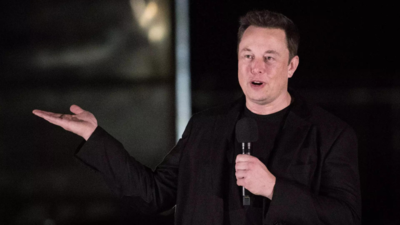
Tech billionaire Elon Musk‘s record-breaking $445 million bet on Republican candidates has failed to deliver the political victories he hoped for. Several of his preferred candidates suffered defeats in the US mid-term elections.From Texas to Ohio, the results dealt a major blow to Musk’s political influence, while a surprise Democratic victory in Texas also raised questions over his ambitious plans to expand data centre operations in the state.Musk, who emerged as one of the biggest losers of election night, spent an estimated $445 million backing Republican candidates and causes. More than $200 million went towards Texas-related efforts alone. His spending made him the largest individual political donor in modern US history and set a record for money spent by a non-candidate during an election cycle. Yet, the candidates he supported were defeated across several key contests.The defeats included Ken Paxton’s Senate race in Texas and Vivek Ramaswamy’s bid for governor in Ohio. The biggest setback for Musk, however, could be in Texas, where Democrat Gina Hinojosa secured a surprise victory over incumbent Republican Greg Abbott in the gubernatorial race.The result has implications beyond Musk’s political investments. Texas had emerged as a major destination for companies seeking to build data centres and expand artificial intelligence infrastructure. The state was seen as a favourable environment for such projects at a time when communities across the US were increasingly resisting large data centre developments over concerns about their impact.Musk’s companies have significant ambitions in the state. Hinojosa’s victory could now introduce uncertainty over the political and regulatory environment surrounding future data centre projects.“Amid data center backlash all across the country, Texas was supposed to be an AI oasis, where people would be able to build data centers no matter what was happening in the rest of America,” Politico reported quoting Sam Koppelman, the publisher of Hunterbrook Media, an investigative journalism outlet connected to a hedge fund, “This election totally changed that.”
Musk responds with ‘space lasers’ jibe
As the Republican losses became clear, Musk turned to sarcasm on X early Wednesday. The billionaire, who had spent hundreds of millions of dollars backing candidates, appeared to poke fun at the election outcome and the criticism surrounding his political involvement.“Guess my election-interfering space lasers didn’t work this time 🤷♂️,” Musk posted shortly before 1.15am ET.He followed it with another remark that appeared to reference the Democratic victory in Texas and the uncertainty surrounding his data centre plans.“Data centers in space looking pretty appealing right now,” he wrote.The posts came after an election in which Musk’s financial backing failed to translate into victories for several of the Republican candidates he supported. His comments also brought attention to the potential business implications of the results, particularly in Texas.
Democratic Congress could spell more trouble for Musk
Musk could face another challenge as Democrats are expected to take control of both chambers of Congress, potentially with comfortable majorities. The shift in power could give them greater scope to scrutinise the influence of wealthy technology executives and their financial involvement in political campaigns.Musk has been a prominent Republican donor and an outspoken supporter of candidates aligned with the party. His record-breaking election spending could make him a particular focus for Democrats, who have argued that technology billionaires wield disproportionate influence over American politics.Representative Greg Casar, a Democrat from Texas, said voters had rejected Republican candidates partly because of their association with wealthy AI investors.“Voters rejected Republicans in part because they were bought and paid for by AI billionaires,” Casar said in a statement on Tuesday evening, as per a report by Politico.“Democrats must hold them accountable instead of cashing their checks.”The comments signal the possibility of a more confrontational relationship between Musk and a Democratic-controlled Congress. With Democrats expected to take over key leadership positions in both chambers, scrutiny of the political influence and spending of major technology executives could intensify.