









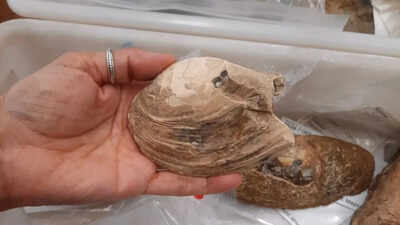
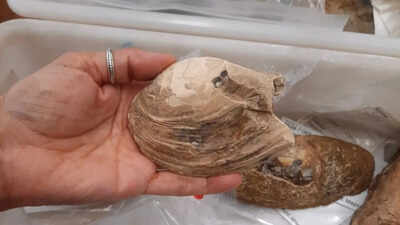
Moms are capable of magic that is more than just maternal. Nature has imbued its most special being with surprisingly strange ways of reproduction and care for their babies. While moms like crocodiles and sharks can clone themselves and give a ‘virgin birth’, those like scorpion mothers carry their soft-shelled babies on their backs and clownfish change their sex to give birth.When it comes to animals, the reproduction processes are not as simple as those in humans. This is why exploring the evolutionary roots of these diverse maternal methods is tough, as reproductive tissues decay quickly after an animal’s death.Now, a shocking discovery published in Scientific Reports has offered researchers some interesting insight into the reproduction process of animals. An international team has described a 125-million-year-old ‘pregnant’ shellfish with preserved soft tissues, including its little babies. It preserved different stages of development within the gills including embryo-like cells and more developed larvae.“This is the earliest known fossil evidence that these shellfish cared for and protected their developing young. Until now, this reproductive strategy was known only from living species,” said Martin Munt, a curator at the Dinosaur Isle Museum in the UK and a visiting researcher at the University of Portsmouth.The fossilised shellfish specimens were found on the Isle of Wight, an island off the southern coast of England and a site famous for its plentiful Cretaceous fossil finds. “Not only does this discovery provide a rare glimpse into how ancient freshwater shellfish reproduced,” Munt said, “but it also helps explain how these animals successfully adapted to life in rivers and lakes millions of years ago.”
An interesting reproductive system
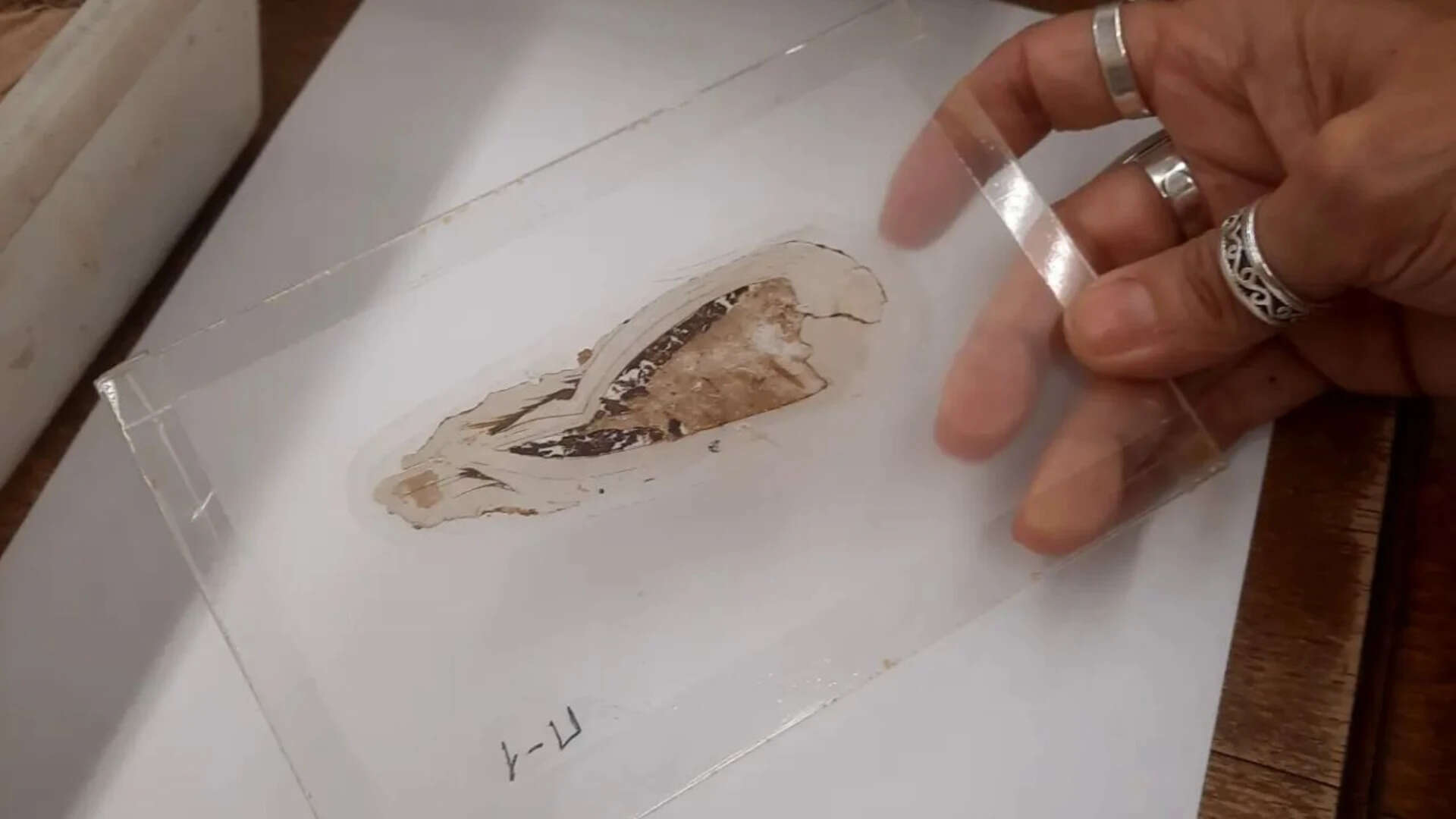
A ‘pregnant’ bivalve preserved with embryos and larvae
The creature studied herein, Margaritifera valdensis, is distantly related to the freshwater pearl mussels, which encompass up to 1,000 living species. They also have one of the most unique reproductive strategies among all invertebrates, worthy of a xenomorph.First, males release sperm into the water. Then, the females siphon and use it to fertilise the eggs inside a brood chamber that sits within a specialised portion of their gills. Mother molluscs provide their young ones with shelter, but they also give them calcium through mineral deposits inside their gills, which may have helped preserve these specimens. The young then develop into larvae which, like parasites, must attach to fish to mature. The larvae attach to gills and fins and grow under a fish’s skin, eventually dropping away to form new mussel beds.“These new fossils demonstrate that this complex reproductive strategy had already evolved by the Early Cretaceous,” says Aleksandra Skawina, an expert in fossil bivalves at the University of Warsaw and study co-author.The research also elucidates the origin of a dark, mysterious “molluskite” material first described nearly 200 years ago by British palaeontologist Gideon Mantell in the 19th century. “We found that this material is actually made up of fossilised soft tissues and reproductive structures that have been exceptionally preserved by minerals,” explains study co-author Rafael P. Lozano, a geochemist at the Geological and Mining Institute of Spain.
Shellfish: A creature to be preserved
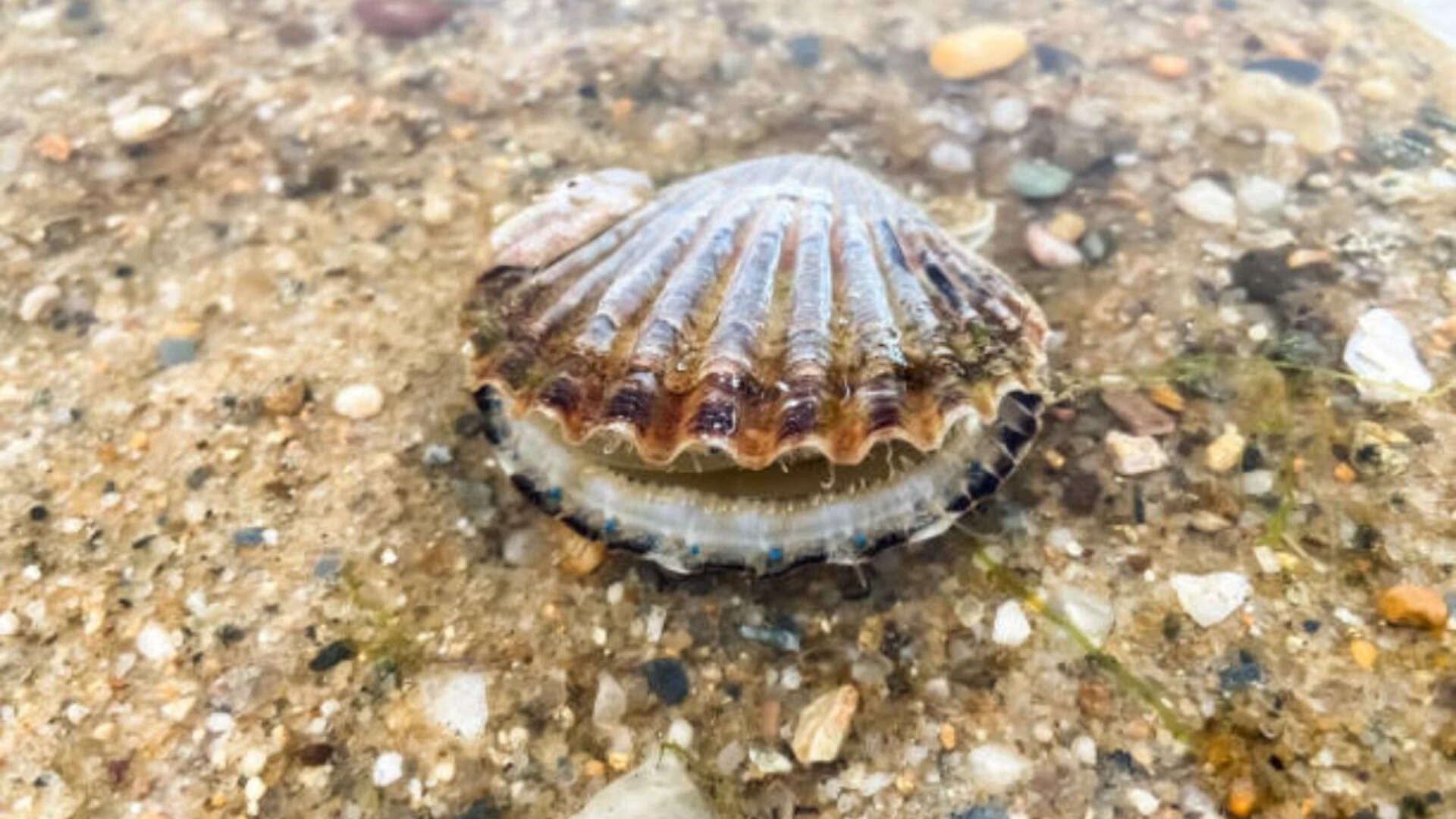
They represent the second-largest phylum of invertebrates after arthropods.
The ancient shellfish, a creature not generally assumed to be motherly, is a bivalve. It belongs to a huge group of double-shelled molluscs, comprising more than 40,000 fossil and 50,000 extant species, including the very famous clams, oysters, scallops and mussels.Unfortunately, they are currently among the most threatened creatures, ringing alarm bells of Earth’s sixth mass extinction. Pollution, construction projects, exploration, climate change and other factors are destroying freshwater systems. Molluscs are often overlooked as just little shells, even though they represent the second-largest phylum of invertebrates after arthropods.They also form a key component of modern freshwater ecosystems, which is why watching them closely is vital.