







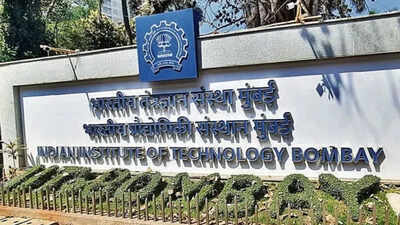
MUMBAI: Putting its July 2026 rules on penalties for academic misconduct on hold and reverting to the (milder) April 2015 policy for two pending mid-semester examinations on Oct 10 and 11, IIT-Bombay’s senate, at its emergency meeting on Wednesday, agreed on an interim procedure under which faculty members may record suspected dishonesty by a student in a prescribed form, with students allowed to submit their own written accounts in a different sheet.The revision comes in the wake of the death by suicide of second-year BTech student Sahil Wakode, who was allegedly found copying by an invigilator. The institute subsequently postponed exams scheduled for Sept 26 and 27 after faculty sought a clear SOP for handling suspected malpractice.
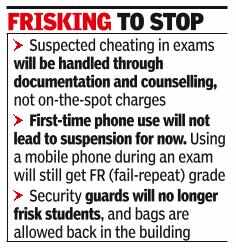
According to the interim arrangement now finalised, there will be two different forms in the event of a suspected case of cheating, and it is optional for the student concerned to submit their version. The matter will then be placed before the departmental disciplinary action committee (DDAC), which will decide how the case proceeds. Faculty members and students will be required to appear before the committee and provide additional information as needed. The committee will meet only a week after the entire exam season ends.A source said the forms were only a means of collecting information and did not amount to pressing charges. Decisions would rest with the disciplinary committee.Wednesday’s meeting was opened to all faculty, beyond the senate’s membership, to seek suggestions.The report on the interim rules, a copy of which is with TOI, states faculty who suspect cheating or notice signs of stress must “alert a quick response team (QRT) of counsellors.” The aim is to provide immediate support “while minimising disturbance to the student concerned and others writing the examination.”Invigilators, the report states, must “collect unauthorised material, including chits, phones, devices and answer papers, with minimal conversation and disruption. They may photograph material that must be returned, such as a phone. If a student’s identity is in doubt, they may photograph the student at the desk.”The original answer book will be collected and the student allowed to continue writing in a fresh one for the remaining exam time. After the exam, the invigilator may complete the form and offer the student an opportunity to record their account at a designated venue in the presence of additional staff, said the report.The signed faculty form, collected material, original answer book and student’s form, if submitted, will be handed to the head of the department conducting the course. “Digital material may be emailed. Phones must be returned after the examination, with students acknowledging receipt by signing the form.” The QRT helpline must be alerted for counselling whenever the student leaves the hall.Under the 2015 guidelines, using a mobile phone during an exam attracted an FR (fail-repeat) grade. The July 2026 policy added a semester’s suspension, which sources said would not apply to a first offence under the interim arrangement. Repeat offences would attract suspension. Using phones, chits, books or other unauthorised material during toilet or bio-breaks would continue to attract FR and a semester’s suspension.Security guards will no longer frisk students before exams. Faculty questioned searches resembling those at airports, saying they suggested everyone was a “suspect”.“We want to convey we trust our students, though we will verify by doing thorough invigilation,” said a faculty member. Another source said an invigilator who suspected something could call a counsellor and ask the student to empty pockets.The report states disciplinary proceedings must ensure students have a fair opportunity to present their viewpoints to the departmental committee and provide an appeal before an institute committee. Disciplinary action will follow if unauthorised practices are established.Sources said the arrangement would “ease the burden on faculty handling suspected cheating, with professional counsellors providing support.” The disciplinary committee, however, will determine the outcome.The drafting committee comprised Profs Suvarn Kulkarni, Pratibha Sharma, Varsha Apte and Amitava De and four student representatives. Sources said they spent about 30 hours preparing the interim procedure. Clear instructions would be shared with invigilators before the weekend exams, a source added.Students may now bring bags into the exam building, reversing the earlier restriction, but must leave them outside the hall. The report states the institute’s goal is to “create an environment conducive to quality teaching and learning while maintaining assessment integrity. Its default assumption is that students are committed to learning and following examination rules.”As per the academic calendar approved by the Senate, end semester examinations are scheduled for 13 days from November 10 to 21 and will be held on Saturdays and Sundays as well.