








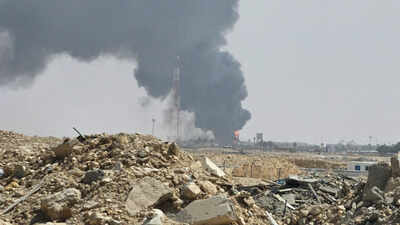
As Saudi Arabia intensifies its military campaign against Iran-backed Houthi rebels in Yemen, Pakistan’s role in the escalating conflict has come under scrutiny.Islamabad has not publicly acknowledged direct involvement in Saudi Arabia’s offensive inside Yemen. However, several reports point that Pakistani forces could be helping Saudi Arabia shift more of its military resources towards the war by taking over defensive responsibilities inside the kingdom.That could allow Saudi forces to concentrate on the offensive against the Houthis without Pakistan formally becoming a combatant in Yemen.The issue has gained importance after Yemen’s internationally recognised government launched “Yemen Dawn”, a major operation to recover territory seized by the Houthis along the Red Sea coast. Saudi Arabia has pledged “full operational support” to the campaign and says 100 fighter jets are taking part.The coalition has also claimed to have destroyed hundreds of Houthi targets, although those claims could not be independently verified.
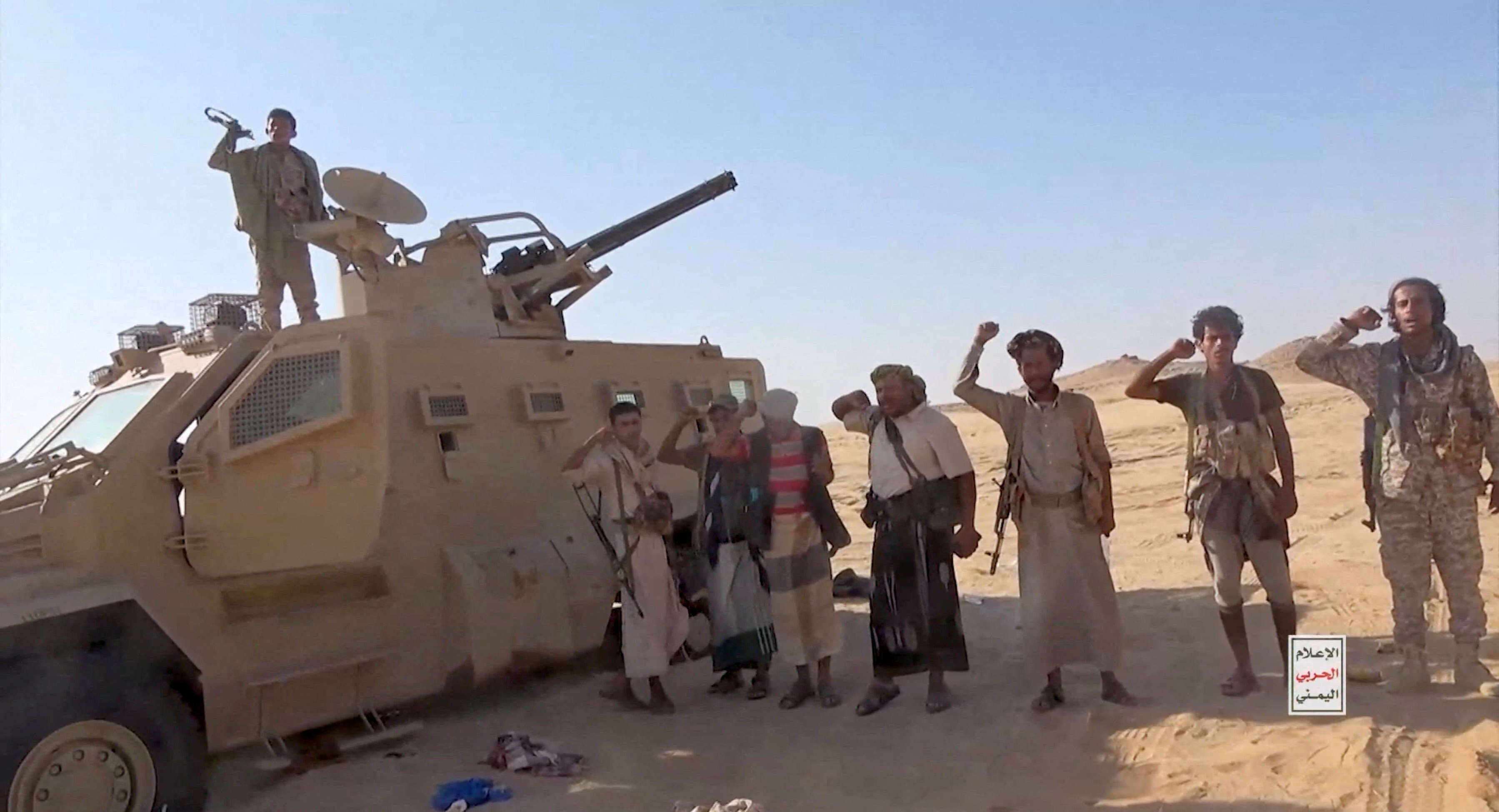
Iran-aligned Houthi fighters pose next to a captured vehicle following what the source described as an attack on Saudi-backed forces in the location given by the source as al Jawf governorate, Yemen.
What exactly is Pakistan doing
The precise extent of Pakistan’s involvement remains unclear, with defence analysts assuming that Pakistani forces could take responsibility for air and missile defence, radar, early warning, intelligence, surveillance and reconnaissance, counter-drone operations and electronic warfare inside Saudi Arabia without directly indulding with the Iran-backed Houthis.Retired Pentagon official Dave Des Roches said Saudi Arabia wanted Pakistan to contribute across the “full range of military operations”. But he also said Pakistan was unlikely to accept such an extensive role, with the exact responsibilities and areas of deployment still subject to negotiations.
Why Pakistan is unlikely to enter the war directly
A direct Pakistani role in the Yemen offensive would be a much bigger commitment than the defensive support Islamabad appears willing to provide. Pakistan is already trying to balance its obligations to Saudi Arabia with its own security challenges, economic constraints and the risk of being drawn deeper into a regional conflict.Taking over air defence, surveillance or other defensive duties inside Saudi Arabia could free up Saudi forces for operations against the Houthis without putting Pakistani troops directly into combat. Entering Yemen, however, would mean taking on a far more demanding military commitment.Pakistan’s own military is already stretched across multiple security challenges at home, while Islamabad is operating under a $7 billion IMF programme and dealing with significant external financing requirements. Its defence spending has risen 18% to PKR 3 trillion, but the government has simultaneously cut federal development spending to PKR 1 trillion.
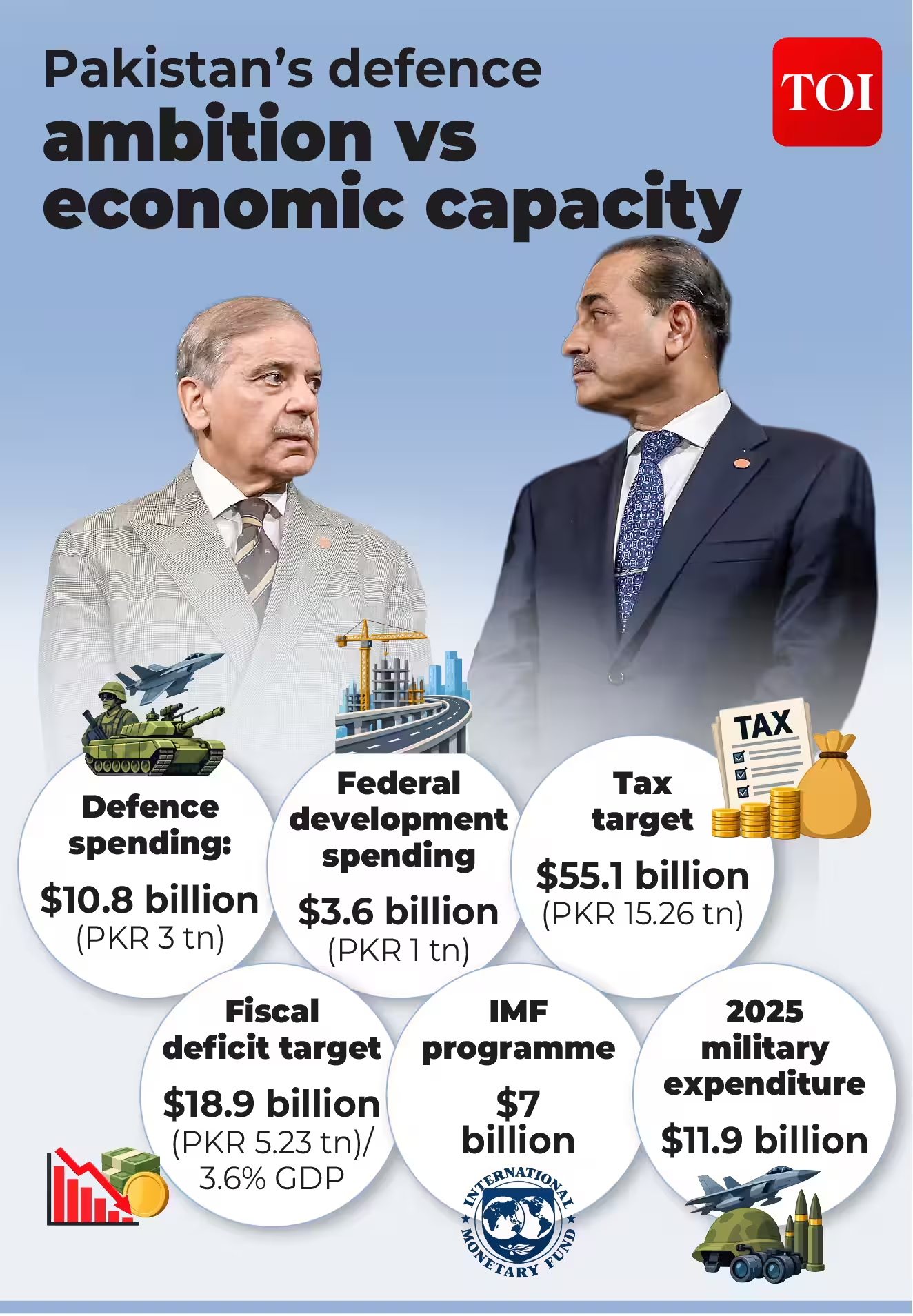
Pakistan wants a bigger military role. Can its economy keep up?
That makes a prolonged overseas campaign difficult to sustain. Pakistan would have to bear the costs of deploying, supplying and rotating troops and equipment in a conflict that could potentially become protracted.
Pakistan biting more than it can chew?
Pakistan has deepened its security relationship with Saudi Arabia while maintaining important ties with China, Turkey and the United States. Islamabad has also sought to position itself as a mediator in the Middle East. A direct confrontation with the Houthis could complicate that balancing act, particularly given Pakistan’s need to manage its relationship with Iran.The financial relationship with Riyadh adds another layer. Saudi Arabia has repeatedly provided Pakistan with financial support, including a $3 billion deposit agreed in April on top of an existing $5 billion arrangement. That gives Islamabad a strong incentive to help protect Saudi Arabia, but it does not necessarily mean Pakistan can afford to fight Saudi Arabia’s war directly.
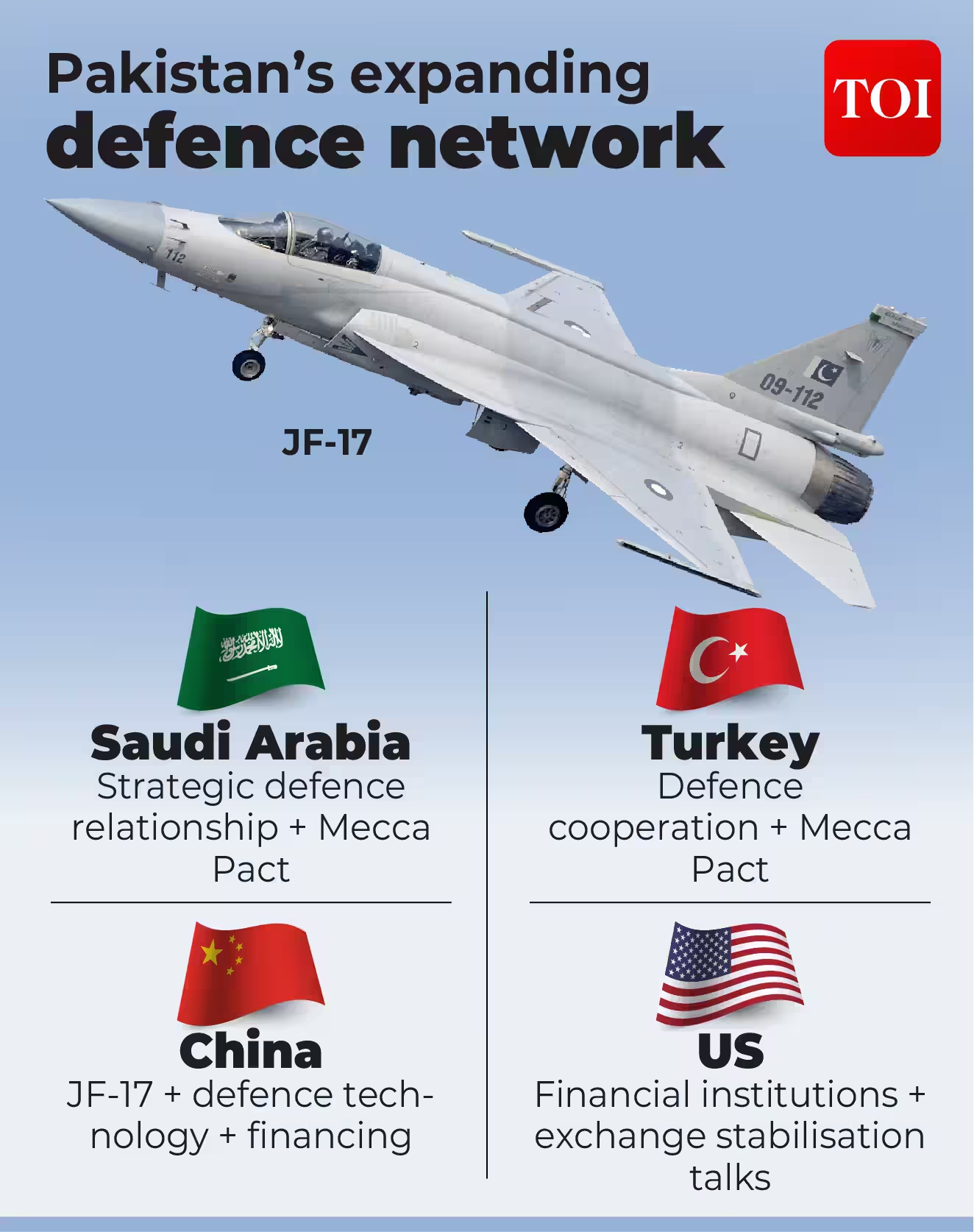
Pakistan does not want to remain only a buyer of military hardware or a provider of troops and security expertise.
Pakistan’s own defence spending also puts its limitations into perspective. Its military expenditure stood at $11.9 billion in 2025, far below Saudi Arabia’s $83.2 billion.This explains why Islamabad may prefer a carefully defined role that strengthens Saudi Arabia’s defensive capacity rather than committing its own forces to the Houthi battlefield.For Pakistan, the calculation is therefore less about whether it can contribute militarily and more about how much it can contribute without turning a strategic partnership into another costly military commitment. A limited defensive role could allow Islamabad to support Riyadh while keeping its own forces out of the Yemen war. A direct intervention, by contrast, risks becoming a case of biting off more than Pakistan can chew.