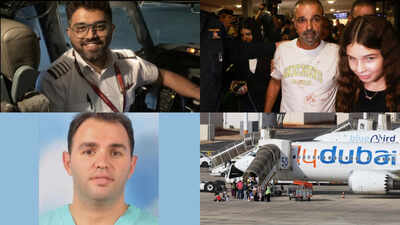










NEW DELHI: Four decades apart, two aviation professionals found themselves at the centre of terrifying emergencies in the skies, and both put the safety of passengers ahead of their own.In 1986, Chandigarh-born flight attendant Neerja Bhanot became a symbol of courage when she helped passengers escape from the hijacked Pan Am Flight 73 at Karachi before being fatally shot by the terrorists.In 2026, Mumbai-born Captain Smit Machchhar was injured after his Omani co-pilot allegedly attacked him aboard a flydubai flight bound for Tel Aviv, but managed to regain control of the aircraft during a mid-air emergency.The two incidents are separated by 40 years, but both involved aviation professionals confronted with moments in which seconds could determine whether hundreds of people survived.
Neerja Bhanot: Flight attendant who stayed behind
On September 5, 1986, Pan Am Flight 73 landed at Karachi while operating from Mumbai to New York via Frankfurt. Four armed members of the Abu Nidal Organisation stormed the aircraft and took control of it.Neerja Bhanot, the senior flight purser, was among the first to realise that the aircraft had been hijacked. She alerted the cockpit crew, allowing the pilots to escape and preventing the hijackers from taking the aircraft into the air.When the terrorists ordered the crew to collect passengers’ passports, Neerja and other crew members hid the passports of American passengers, whom the hijackers were seeking to identify.
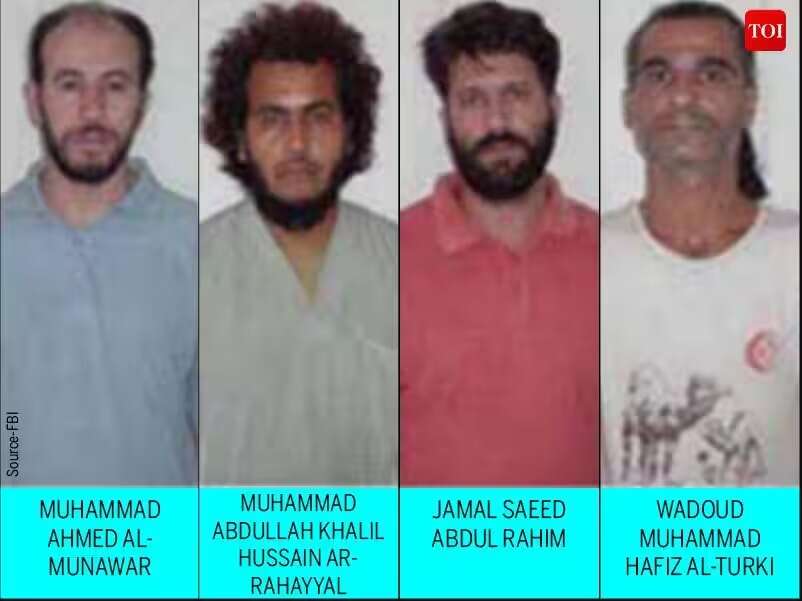
The 17-hour standoff ended in gunfire after the hijackers opened fire on passengers. Neerja opened an emergency exit and helped passengers escape through the evacuation chute.She could have escaped herself, but continued helping passengers. She was eventually shot by the hijackers.Over 350 passengers survived the attack, while about 20 people were killed. Neerja was later posthumously awarded the Ashok Chakra, India’s highest peacetime gallantry award.The US Department of Justice also honoured her posthumously with its Special Courage Award for 2006.
Captain Smit Machchhar: Pilot fighting to keep a jet in air
On Wednesday, the emergency unfolded inside the cockpit of flydubai Flight FZ1073, which was flying from Dubai to Tel Aviv with 174 passengers.Captain Smit Machchhar was reportedly attacked and stabbed by his Omani co-pilot, who then apparently tried to crash the jetliner carrying around 170 people. As the confrontation unfolded, the Boeing 737 MAX went into a steep descent.Flight-tracking data showed the aircraft dropping thousands of feet within seconds. One account cited a fall from about 30,875 feet to 16,750 feet in just 29 seconds, with an extreme descent rate of around 30,000 feet per minute.
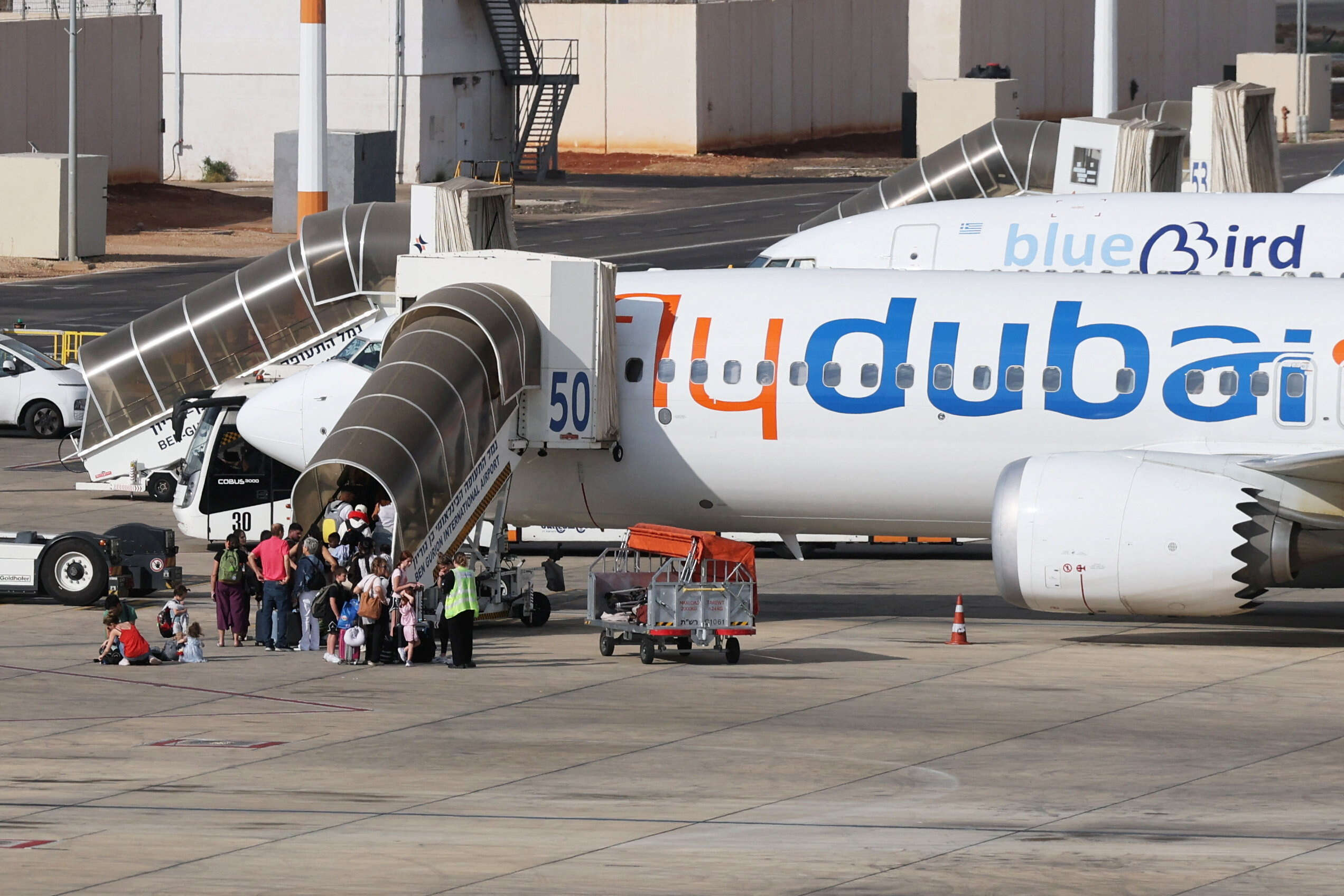
Travelers board a FlyDubai aircraft at Ben Gurion International Airport after a separate FlyDubai flight from the United Arab Emirates to Israel was diverted to Saudi Arabia following an emergency
Despite being injured, Machchhar managed to fight back and regain control of the aircraft. Passengers and crew then entered the cockpit and overpowered the attacker.The aircraft was eventually diverted to Tabuk in Saudi Arabia, where it made an emergency landing. The plane had suffered significant damage to its rudder during the extreme descent, according to accounts cited in the material.
From a 19-year-old aviation dream to a crisis at 30,000ft
Machchhar had not originally planned to become a pilot.In an interview recorded a year before the incident, he said he had initially studied textile engineering and later joined a management course with the intention of helping his family’s textile business. It was at an aviation seminar during that course, when he was 19, that he decided to pursue flying.His mother was initially scared by the decision because commercial aviation was far less familiar to people around him at the time.Machchhar went on to build more than 13 years of commercial flying experience on Boeing 737 aircraft. He joined SpiceJet in 2011, later becoming a senior commander and line training captain, before moving to flydubai in June 2022 as a direct-entry captain. His profile lists more than 9,750 flying hours.
Two different emergencies, one common thread
Neerja and Machchhar faced completely different threats — one a terrorist hijacking, the other a violent cockpit confrontation.But in both cases, the crisis unfolded at close quarters, with the lives of hundreds of passengers depending on decisions made within seconds.Neerja stayed behind to help passengers escape a hijacked aircraft and lost her life in the process. Four decades later, Machchhar was injured while resisting an attack inside the cockpit and helped prevent a plunging aircraft from becoming a catastrophe.Their stories also show two very different forms of aviation bravery: A cabin crew member guiding frightened passengers towards an exit while gunfire erupted around her, and a pilot battling to regain control of a jet that was rapidly losing altitude.In both cases, the people at the centre of the crisis were aviation professionals who found themselves facing extraordinary danger while responsible for the lives of those on board.