








An 852-acre family estate in Maury County, Tennessee, has been placed under permanent conservation, nearly three decades after a brother and sister began turning hundreds of acres of former farmland back into forest. According to The Land Trust for Tennessee, the property, known as the Sugg Property, was transferred directly to the organisation after original landowners Mary Ann Sugg and her brother John died. Their unconditional gift means the large landscape of pine forests, native woodlands, and open pastures will remain protected from commercial development forever. For local conservationists, the transfer completes a family legacy that began in the middle of the 20th century, when the property was a working dairy farm, and eventually turned into an important natural area.
From Working Dairy Farm to Conservation Haven
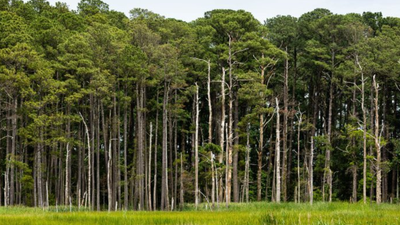
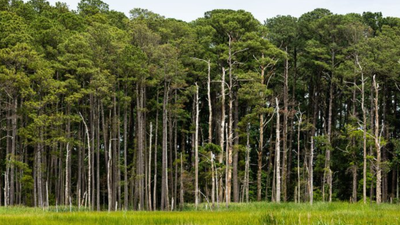
According to information from The Land Trust for Tennessee, the property’s story began in 1955, when Mary Ann and John Sugg’s father purchased the land and started a dairy farm that operated for many years. The siblings grew up on the property and developed a strong connection to its rolling hills and natural areas of Middle Tennessee. As farming needs changed, the siblings looked for ways to protect the property’s soil and water. In 1990, they made an important decision to place the land in the federal Conservation Reserve Program. The program was created to take environmentally sensitive and highly erodible land out of active farming. As part of the program, the Sugg family planted 240 acres of former farm fields and open pastures with loblolly pine trees. Over the following decades, the young trees grew into thick and healthy forests. According to the land trust, the forests helped reduce soil erosion, improve the local environment, and create new habitats for wildlife.
Formalising a Commitment to Permanent Protection
The decision to reforest nearly a third of the property was only the first part of Mary Ann and John Sugg’s long-term conservation plans. According to The Land Trust for Tennessee, the siblings wanted to protect the entire 852-acre property from future development and division. They began working with the organisation to create formal legal protections for the land. In 2001, they donated their first voluntary conservation easement to the land trust. The agreement limited non-agricultural and commercial development across a large part of the property. Six years later, in 2007, they expanded that protection by donating a second conservation easement.During her lifetime, Mary Ann Sugg explained why she believed the land trust was the right organisation to protect the property. “The Land Trust for Tennessee is the perfect choice for making a planned gift. Its land conservation work is all about permanence — making sure that Tennessee’s beautiful farms, forests, hiking trails, parks, and other special places remain as they are forever,” she stated. “I take comfort knowing that my planned gift will help preserve the unique beauty of Tennessee long after I am gone.“
Unconditional Bequest Secures the Property’s Future
According to The Land Trust for Tennessee, after both siblings died, their entire estate was transferred to the organisation as a direct bequest in 2018, 28 years after the original loblolly pine planting. Unlike some land donations that include strict conditions or complicated local agreements, the Sugg Property was given to the organisation without conditions. This gave the land trust greater freedom to manage and protect the property based on its environmental needs. The transfer allowed the organisation to manage the property directly as a conservation site. It also helped ensure that the environmental improvements made by the Sugg family over nearly three decades could continue. To help protect the 240 acres of loblolly pine and the surrounding native forests, the land trust re-enrolled the relevant acreage in the Conservation Reserve Program. According to the organisation, the federal conservation contracts will remain active through 2031.
Active Land Management and Prescribed Burns
Managing an 852-acre forest requires regular work to keep the land healthy and protect it from environmental threats. The Land Trust for Tennessee uses several modern forestry practices at the Sugg Property, including carefully planned prescribed burns. According to the land trust, these controlled fires are used in the northern parts of the property and serve several important purposes:
- Controlling invasive plants that can threaten native vegetation.
- Removing built-up leaves and other forest material, which can lower the risk of large and uncontrolled wildfires.
- Returning important nutrients to the soil and supporting healthy plant growth.
- Encouraging native plants, increasing biodiversity, and improving habitats for wildlife.
Through these continuing management efforts, the land trust works to keep the mature loblolly pine forests planted in 1990 healthy and strong.
A Lasting Environmental Legacy for Middle Tennessee
The permanent protection of the Sugg Property represents a major private conservation achievement in Maury County. According to The Land Trust for Tennessee, the property helps protect regional watersheds, forest areas, and air quality as development continues to expand across Middle Tennessee. By combining the federal Conservation Reserve Program, voluntary conservation easements, and the eventual donation of their entire property, Mary Ann and John Sugg created both a legal and environmental plan designed to last for generations. Their 852-acre legacy now provides an example for other private landowners who want to turn working farmland into protected natural areas while preserving the land for the future.