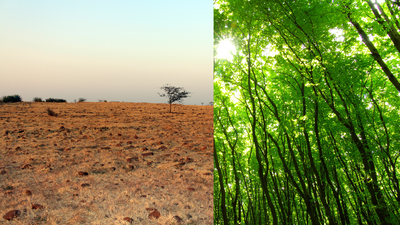


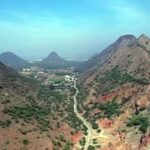





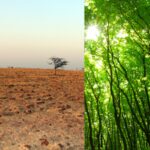
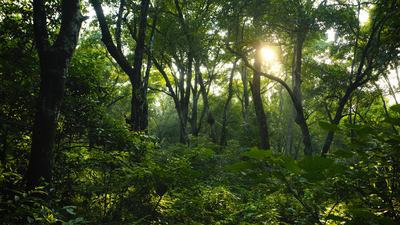
A barren stretch of land beside Rajasthan’s Ranthambore Tiger Reserve slowly became a green refuge for wildlife. Behind the transformation are Aditya Singh and Poonam Singh, a couple who spent years buying degraded farmland and allowing nature to reclaim it.
A tiger changed the direction of their lives
Aditya, who is a 1992-batch UPSC CSS officer, first visited Ranthambore in 1984. Poonam visited four years later and saw the famous tigress Machali with her cubs. The experience stayed with her.The couple eventually moved from Delhi to Sawai Madhopur in 1998. Aditya left his government job and took up wildlife photography, while Poonam became involved in running a tourist lodge.
Why they bought barren land
Near the reserve, wild animals frequently moved into agricultural areas looking for food. Farmers faced crop damage and growing conflict, and some began selling their land.The couple saw another possibility. Instead of allowing the abandoned land to remain degraded, they began purchasing plots around Bhadlav from 2000 onwards.Over roughly two decades, they acquired more than 35 acres and protected the area from overgrazing and tree cutting.
They did not build a forest in the usual way
Rather than heavily landscaping the property, the couple largely allowed the land to recover naturally. Trees and shrubs returned, while water holes developed and were maintained for wildlife.Aditya and Poonam also worked with villagers and employed local people as forest guards. One of them, Sumer, grew up near Ranthambore and has worked at Bhadlav for around two decades.This approach fits a wider conservation principle. The National Tiger Conservation Authority (NTCA) stresses the importance of habitat connectivity and restorative strategies involving local communities.
Tigers began returning to the green patch
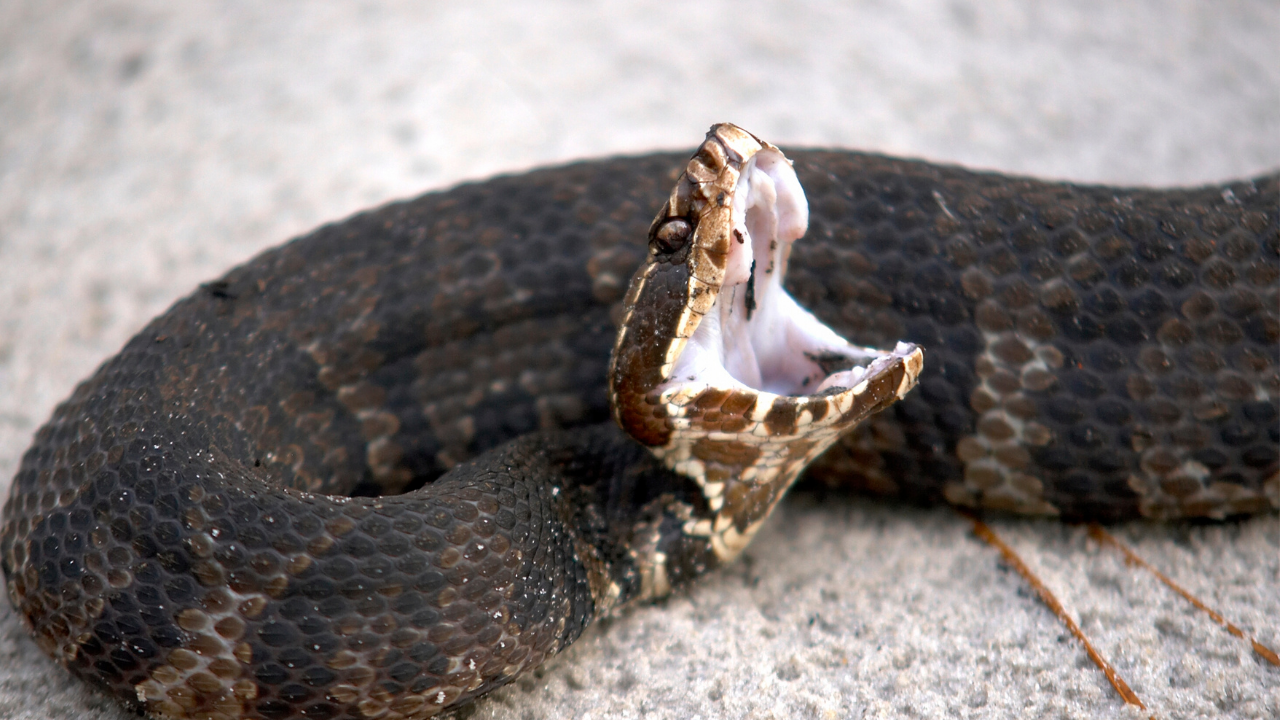
The restored land became attractive to prey animals such as deer, nilgai and wild boar. Their presence, in turn, drew predators.The source accounts describe regular tiger visits, along with leopards, snakes and several bird species. Water sources become particularly important during Rajasthan’s harsh summers.
A small forest with a larger lesson
Bhadlav is not a replacement for a protected tiger reserve, and a 35-acre patch cannot solve India’s larger habitat challenges. Its significance lies elsewhere.It shows what can happen when degraded land is protected, wildlife movement is considered and local communities become part of conservation.For Aditya and Poonam, the forest was never simply about planting trees. It was about creating a place where animals could find food, water and shelter without immediately entering human settlements.Disclaimer: This article is based on the supplied source material and official government conservation information.