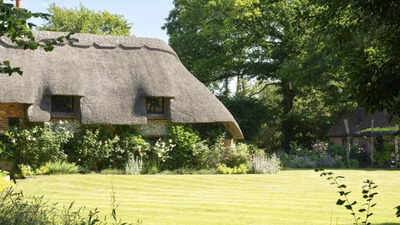









A high-altitude property first bought as a private family retreat in the mid-1960s now serves as an important centre for environmental research in North America. The 535-acre property in Haywood County, North Carolina, historically known as “The Purchase”, was officially transferred to the National Park Service around the turn of the millennium. Former owners Kathryn McNeil and Voit Gilmore donated the land, which became part of Great Smoky Mountains National Park. It was the largest single private land gift to the park since its establishment in 1934. Located along the Cataloochee Divide, the property sits on a high ridge next to the existing national park boundary. Its main landmark is Purchase Knob, a 5,086-foot peak offering wide views of the surrounding mountains.McNeil and Gilmore bought the property in 1964 and built a summer home on the mountain ridge. For almost four decades, the land was used as a quiet family retreat. In 2000, however, the owners decided to give up private ownership permanently to protect the area’s high-elevation ecosystems for the future. According to records from the Great Smoky Mountains National Park website, the acquisition added important land to the federal park, which covers more than 520,000 acres across North Carolina and Tennessee. Park officials soon recognised the gift as an important addition to scientific research in the region.
A permanent mountain research centre
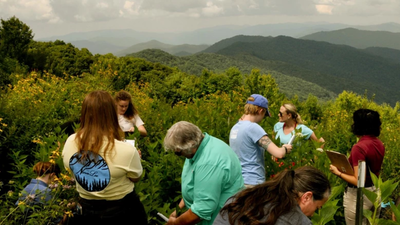
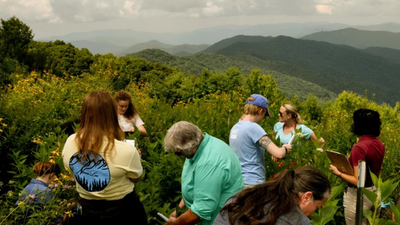
Soon after the land was transferred, the US Congress approved funding to create five specialised research centres across the national park system. In 2001, “The Purchase” was selected as the site of the Appalachian Highlands Science Learning Center. Instead of tearing down the original homes and buildings, the National Park Service adapted them for scientific research. Today, the former summer property includes offices, laboratories, a classroom that can hold 50 people and accommodation for up to eight visiting researchers at a time. The property also contains a preserved historic cabin that provides a glimpse into the area’s earlier human history. The learning centre changed the main purpose of the ridge from private recreation to public scientific research. Its location gives researchers direct access to high-elevation environments that are especially sensitive to changes in climate, air pollution and biodiversity. About 5,000 people take part in programmes at the site each year, including scientists, teachers and school students. Research covers many areas of ecology, including changes in tree lines, lichen monitoring, insect studies and air quality.
Preserving high-elevation habitats
The environmental importance of the 535-acre property comes largely from its high and varied landscape. Mountain ridges above 5,000 feet in the Southern Appalachians support rare plants and animals, including species that survived from the last ice age. Before the land was donated, high-elevation areas outside the park faced continued pressure from developers looking to build luxury homes and resorts. By placing the property under federal protection, McNeil and Gilmore helped prevent the forest along the Cataloochee Divide from being broken into smaller sections. Scientists at the Appalachian Highlands Science Learning Center also study species that were not recorded in older park surveys. Through projects such as the All Taxa Biodiversity Inventory, researchers and students have identified thousands of organisms around Purchase Knob and nearby slopes, helping scientists understand the Smokies’ complex ecosystems. The centre also gives young students opportunities to take part in scientific work. Field trips allow school groups from the region to collect information alongside professional biologists, giving them practical experience with field sampling and data collection.
Legacy of the 2000 land gift
The size of the McNeil and Gilmore donation remains unusual in the modern history of the park. The creation of Great Smoky Mountains National Park in the 1920s and 1930s depended heavily on state funding, private donations and land purchases and condemnations. However, land additions of this size have become rare. More recent additions have generally involved smaller properties secured through conservation agreements or direct purchases by land trusts. In documents describing the history of the Appalachian Highlands Science Learning Center, park officials highlighted the lasting importance of the donation. The National Park Service says staff members and visiting researchers continue to use the facilities that were part of the family’s original property. “Every day, the staff and program participants thank the family for their generous gift,” the National Park Service says in its historical facility overview. What began as a private mountain property purchased in 1964 eventually became a permanent public resource for high-altitude research. The Appalachian Highlands Science Learning Center continues to operate throughout the year at Purchase Knob, supporting monitoring programmes, educational activities and field research developed over the past two decades.