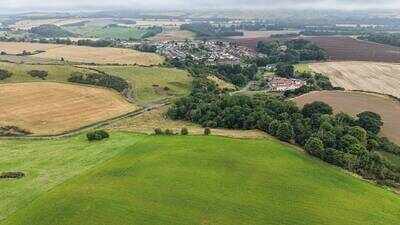









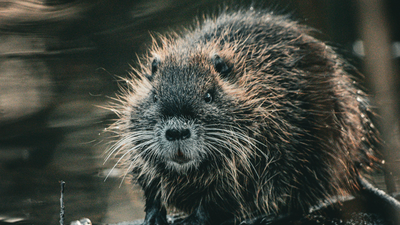
For the first time in more than 500 years, wild beaver kits have been born in Norfolk, marking an extraordinary milestone in the county’s wildlife recovery. Two young Eurasian beavers have been discovered at Pensthorpe Nature Reserve near Fakenham, months after an adult pair unexpectedly appeared along the River Wensum. The adults were already a historic sighting because they were the first wild beavers recorded in Norfolk since the native species was hunted to extinction in England at the beginning of the 16th century. Now, the birth of their offspring suggests the animals have moved beyond simply returning to the county and are beginning to establish a family group. The kits, believed to be around three months old, have been captured on camera exploring the river and feeding on vegetation. Their arrival has also raised a bigger question: could Norfolk become home to a permanent wild beaver population after centuries without one?
Two beaver kits discovered at Norfolk nature reserve
The two kits were found at Pensthorpe Nature Reserve near Fakenham, where their parents had mysteriously established themselves in December 2025. The adult pair built a lodge on the River Wensum and became the first wild beavers recorded in Norfolk since the species disappeared from England centuries ago. The adults’ arrival itself remains unexplained, with the nearest known wild population thought to be more than 130 miles away on the River Stour in Kent.Camera-trap footage later revealed that the pair had produced two young. According to The Guardian, reserve manager Richard Spowage initially saw one kit with a parent before later footage showed a second youngster following it. He described the discovery as “amazing”. The newspaper reported that the kits are around three months old and have already been seen chewing branches and leaves and feeding on willow and water mint. Their birth is significant because it confirms that Norfolk’s unexpected beaver return has progressed from an isolated arrival to successful breeding.
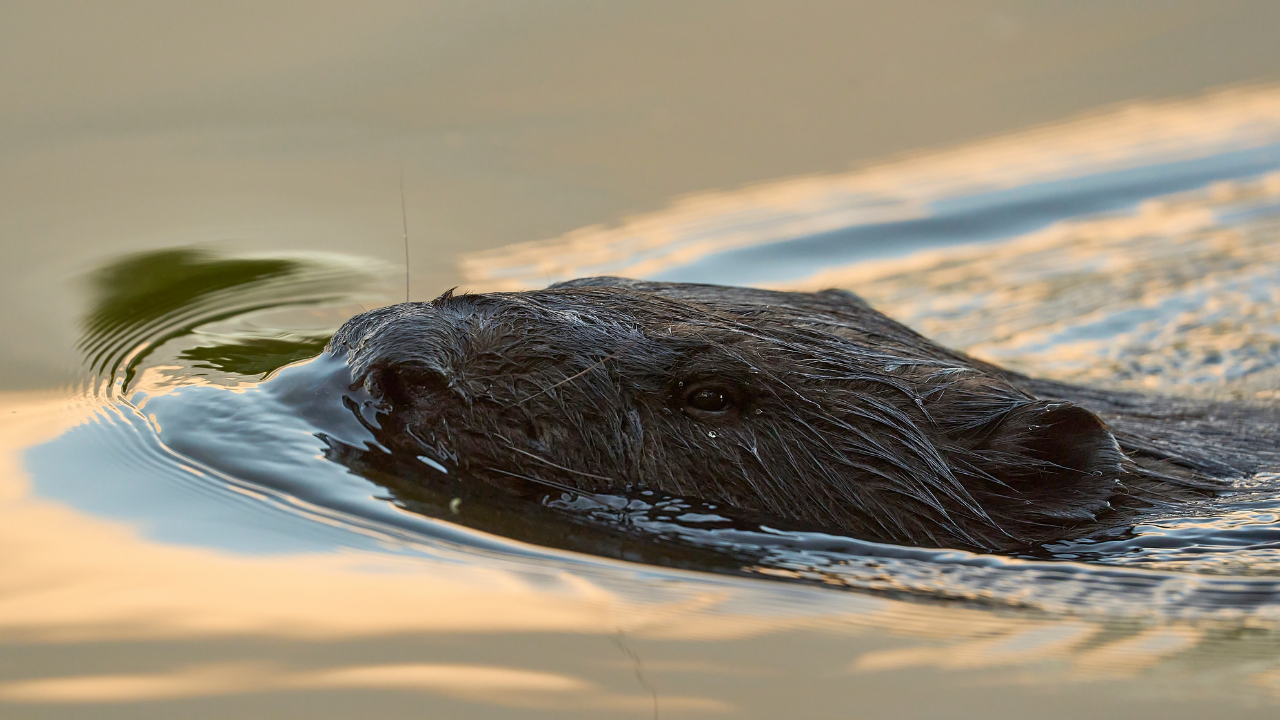
Two beaver kits discovered at Norfolk nature reserve (Image: Canva)
Why did wild beavers disappear from Norfolk for centuries?
Beavers were once native to Britain but disappeared from England after centuries of hunting. Their valuable fur, meat and castoreum, a secretion historically used for various purposes, made them targets, eventually driving the species to extinction in the country by the beginning of the 16th century. Their return is therefore part of a much longer story of wildlife recovery following centuries of human pressure.BBC highlighted the extraordinary historical gap between the last wild beavers and the new generation now growing up on the Wensum. The recent return of beavers elsewhere in England has helped create conditions for the species to spread again, but the Norfolk pair arrived without being part of a known official reintroduction programme. Speculatively the adults were illegally released by conservation activists, a practice known as “beaver bombing”. Pensthorpe manager Richard Spowage said the reserve does not support such releases.
What are Norfolk’s young beavers doing in the wild?
The kits are already displaying behaviours that could help them survive as they grow. They have been learning to dive into the river and slap their tails against the water when they want to warn of danger. The newspaper also reported that an adult had previously been filmed tail-slapping at an otter, while one of the young beavers has now learnt to perform the same defensive action.Their diet is also beginning to reveal how they are adapting to their new environment. The kits have been feeding on willow and water mint, while their exploration has brought them into contact with other vegetation. Spowage told The Guardian that one youngster appeared to have been stung by a nettle after suddenly jumping backwards and shaking its face. The reserve has kept the family’s exact location secret because the animals live in an inaccessible area, although Spowage said they could eventually expand their territory and become more visible.
Could Norfolk’s beaver family lead to a permanent wild population?
The birth of the two kits is a conservation success, but it also creates a difficult question about what happens next. If the young beavers remain in the Wensum system, they will eventually need unrelated mates to establish a genetically healthy population. Spowage also said “You can’t have just one family in the river system,” stressing the need for a “wider genetic pool”.Pensthorpe is now crowdfunding to support an application to Natural England seeking permission to introduce additional wild beavers legally into the Wensum. Such a project would involve studies of the river system, staff training and discussions with multiple stakeholders. The proposal comes as debate continues over beavers’ impact on farmland, particularly because their dams can alter water levels. Yet their ability to manage water could also benefit landscapes during increasingly hot and dry conditions. One farmer had described a beaver-built reservoir on his land containing about three million litres of water. The Norfolk kits could therefore become the beginning of a much larger ecological transformation.