








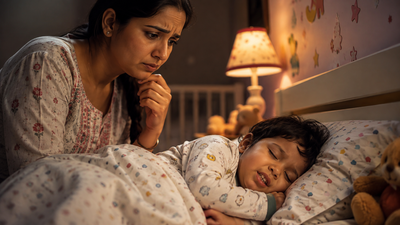
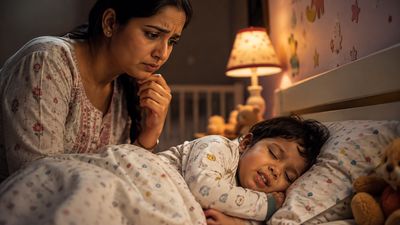
It usually happens at night. Your toddler is fast asleep, but from the next room comes a strange little sound- a repeated rubbing or crunching of teeth. You check on them, only to find them sleeping peacefully.For many parents, the first reaction is worry. Is something wrong with their teeth? Is the child anxious? Could they be in pain?
28 Jul 2026 | 16:38
What factors did you consider, or would consider, before choosing the right school for your child?
The habit, known as bruxism, is not unusual in children. Some toddlers grind or clench their teeth occasionally, particularly during sleep, and grow out of it without needing any treatment. But when the grinding becomes regular or is accompanied by other symptoms, it is worth paying attention.
Why do toddlers grind their teeth?
There isn’t one clear answer. According to research, childhood teeth grinding can have several possible triggers. Sleep patterns, breathing difficulties, emotional factors, genetics and the way the nervous system controls jaw muscles may all have a role.A 2023 systematic review, published in Frontiers in Oral Health, looked at bruxism in children. The researchers found links with several factors, including sleep-related changes, breathing problems during sleep, psychosocial factors and genetics. The researchers also noted that studies don’t always define or measure childhood bruxism in the same way, which makes it difficult to identify one definite cause.

File Photo: Canva
That is also why it may be misleading to tell parents that a child grinds their teeth simply because they are stressed.Stress can be one factor, but it is certainly not the whole story.Sleep appears to be particularly relevant. A systematic review and meta-analysis found that children who snored, breathed through their mouths, had restless sleep or did not get enough sleep were more likely to have sleep bruxism.That doesn’t mean a toddler who grinds their teeth and snores necessarily has a sleep disorder. It does, however, give parents something useful to watch for.
Could teething be the reason?
It is tempting to blame teething, especially when a toddler is still getting their primary teeth.Changes in the mouth can make children more aware of their teeth and jaw, and some children may rub their teeth together or clench them. But there isn’t enough evidence to say that teething alone explains persistent bruxism. In other words, don’t assume every episode of teeth grinding is simply because another tooth is coming in.
Does grinding damage a toddler’s teeth?
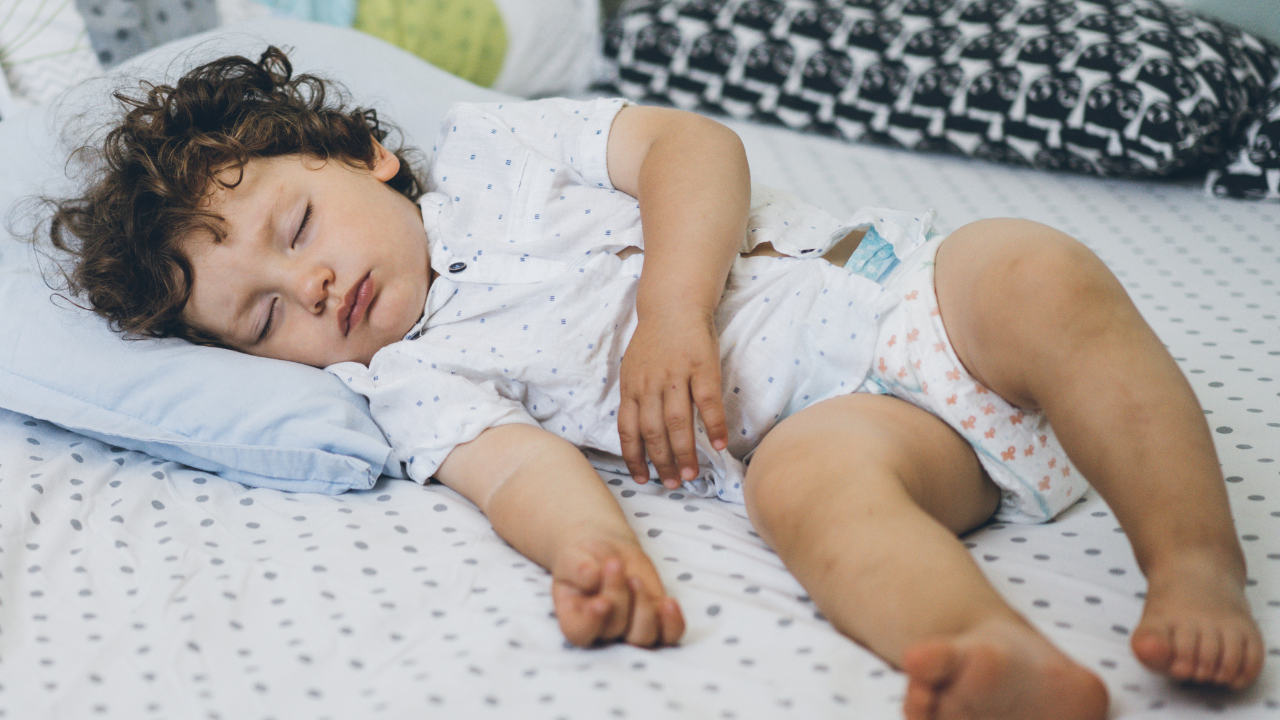
Many children go through periods of grinding and then stop. The problem is more likely to arise when the habit is frequent or particularly forceful. Over time, repeated grinding can contribute to tooth wear.A 2021 systematic review published in Sleep Medicine Reviews found that tooth wear was frequently reported in children with sleep bruxism, including wear affecting the primary canine teeth.But there is an important caveat: the researchers rated the certainty of much of the available evidence as low or very low. So seeing a child grind their teeth does not automatically mean their teeth are being damaged. Parents don’t need to panic over an occasional episode. Instead, look at the pattern.
File Photo: Canva
When should parents take it seriously?
A dentist or paediatrician can help if the grinding is happening regularly or if there are other signs that something isn’t right.Parents should seek advice if:
- The grinding is frequent, loud or continuing for a long time
- The teeth look unusually worn, flattened or chipped
- The child complains of tooth, jaw or facial pain
- They seem to have jaw discomfort after waking
- Grinding occurs alongside **loud snoring or frequent mouth breathing
- Sleep is restless or repeatedly interrupted
- The child seems unusually tired or irritable during the day
- Parents notice pauses in breathing or other unusual breathing patterns during sleep.
The combination of teeth grinding and disturbed breathing deserves particular attention. Studies have found an association between childhood bruxism and sleep-related breathing problems, although grinding itself does not mean a child has sleep apnoea.
What can parents do?
Parents can make a mental note of how often the grinding happens and whether it occurs every night or only from time to time. It can also help to notice what the child’s sleep looks like- whether they snore, sleep with their mouth open, toss and turn or seem excessively tired the next day.If the grinding is persistent, mentioning these details during a dental or paediatric visit can help the doctor or dentist decide whether anything else needs to be investigated.Parents should also resist the urge to buy a mouthguard or other dental device on their own. Toddlers are still developing their teeth and jaws, and any dental appliance should be recommended and fitted by a dental professional when appropriate. Regular dental visits are useful as well. A dentist can spot tooth wear or other changes that may be difficult for parents to notice themselves.Disclaimer: This article is intended for general awareness and should not be used as a substitute for professional medical or dental advice.