







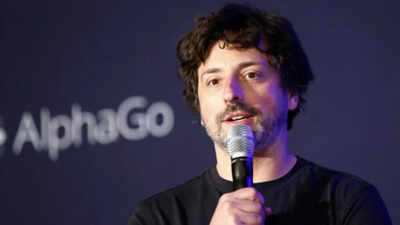
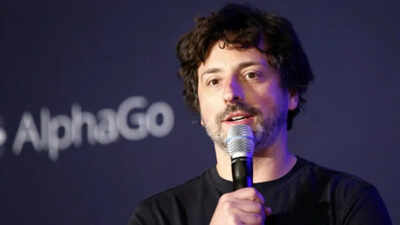
Sergey Brin doesn’t hold an executive title at Google anymore. That hasn’t stopped him from telling the company’s AI researchers what to do. For several months now, the co-founder has been pressing key staff to go all in on Gemini and close the distance with rivals, two people familiar with his remarks told Reuters. In April, per the same report, he addressed hundreds of employees at a town hall and urged Google DeepMind to move faster. Anthropic had just previewed its Claude Mythos model. The message wasn’t subtle.That pressure has now hardened into structure. On August 5, Google announced a sweeping overhaul of its AI division. Demis Hassabis, who founded DeepMind and sold it to Google for £400 million in 2014, stepped aside as chief and became chair, taking on the additional title of Alphabet chief scientist. His deputy, Koray Kavukcuoglu, took over day-to-day control. A Google spokesperson told Reuters that Kavukcuoglu will have final say on major DeepMind decisions.
Gemini was on top in November. but then Anthropic and OpenAI shipped
Google’s model briefly overtook competitors last November. It didn’t hold. Reuters reports that by August the company had delayed its new flagship version by two months after internal testing showed it still trailed rivals on coding. Fortune, citing DeepMind engineers, puts it more bluntly: Gemini 3.5 Pro has missed three release deadlines, having been unveiled at I/O in May with a promise to ship the following month.The lag has structural roots. Constrained computing capacity was one factor, Reuters found. So were disagreements between Gemini’s many project leads, which left fewer resources for areas that turned out to matter enormously. Google’s bureaucracy also meant slower release cycles than nimbler competitors, four sources told the news agency. Engineers who spoke to Fortune traced the coding gap back to last summer, when the company was preoccupied with protecting search traffic while rivals ran ahead on agents.
DeepMind’s independence has been shrinking for years, and with Demis Hassabis’ exit last week it shrank again
At an all-hands meeting on August 6, Hassabis and Kavukcuoglu tried to calm staff, most of whom found out about the reshuffle when everyone else did. Day-to-day work would stay the same, three sources with direct knowledge told Reuters. But the same meeting produced a fresh worry: leadership confirmed that several nontechnical teams were moving out of DeepMind and into Google’s corporate reporting structure.The Financial Times, which spoke to a dozen people familiar with the company, framed the reorganisation as a shift of AI control from London back to Silicon Valley. Kavukcuoglu relocated to Mountain View last year and now leads Gemini development from a desk beside Brin. Alphabet shares fell around 5% following the announcements.
Sergey Brin wants resources pointed at AI that improves itself
At 52, Brin has been informally shaping model training without a formal role. One Reuters source said he has used the implicit weight he carries as co-founder to steer resources toward specific areas—including recursive self-improvement, the point at which AI can get better without humans in the loop.The contrast in visibility hasn’t gone unnoticed inside the lab. A DeepMind engineer told Fortune that Brin is constantly around and hands-on, while they had never seen Hassabis walk through the Gemini area.Jeff Dean and Oriol Vinyals, Gemini’s original technical co-leads, left as part of the shakeup to build Discovery Loop, a startup chasing self-improving AI with Google backing. The Pathfounders newsletter, citing industry sources, reported that Hassabis wanted to exit alongside Dean but was persuaded to take the chair role over fears of a share price collapse.