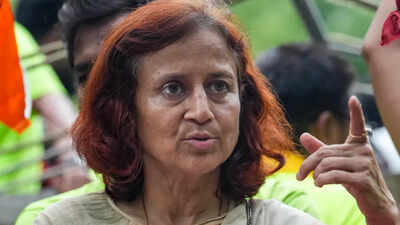











In 2012, a Kolkata schoolteacher named Satarupa Majumder made a trip to the Sundarbans that would change the course of her life. What started as a small act of charity turned into a mission that has since brought quality, almost-free English-medium education to hundreds of children living on some of India’s most remote and cyclone-prone islands.
A chance visit that sparked a dream
13 Jul 2026 | 13:11
What’s one stereotype about women that you’re tired of hearing?
Satarupa’s journey began almost by accident. Her aunt, visiting from abroad, wanted to donate a sewing machine to help a community of women in the Sundarbans learn a new skill. Satarupa offered her late grandmother’s old machine and accompanied her aunt on the long journey to Katakhali village in Hingalganj, an island near the Indo-Bangladesh border on the Ichamati River.The village was home to families of beedi rollers, fishermen, and daily-wage laborers, where survival took precedence over schooling. Satarupa saw children playing in the mud or rolling beedis instead of attending school, and the image stayed with her. Though several government schools existed in the area, poor facilities meant most children attended only for the midday meal, and many eventually dropped out and were pulled into child labour.Before she left the village that day, parents who had learned she was a teacher asked her to come back and teach their children English. She had a young daughter, a full-time teaching job in Kolkata, and a conservative joint family; there seemed little room for such a commitment. Yet a few months later, she found herself back in Hingalganj, unable to ignore what she had seen.
Building a school, one saturday at a time
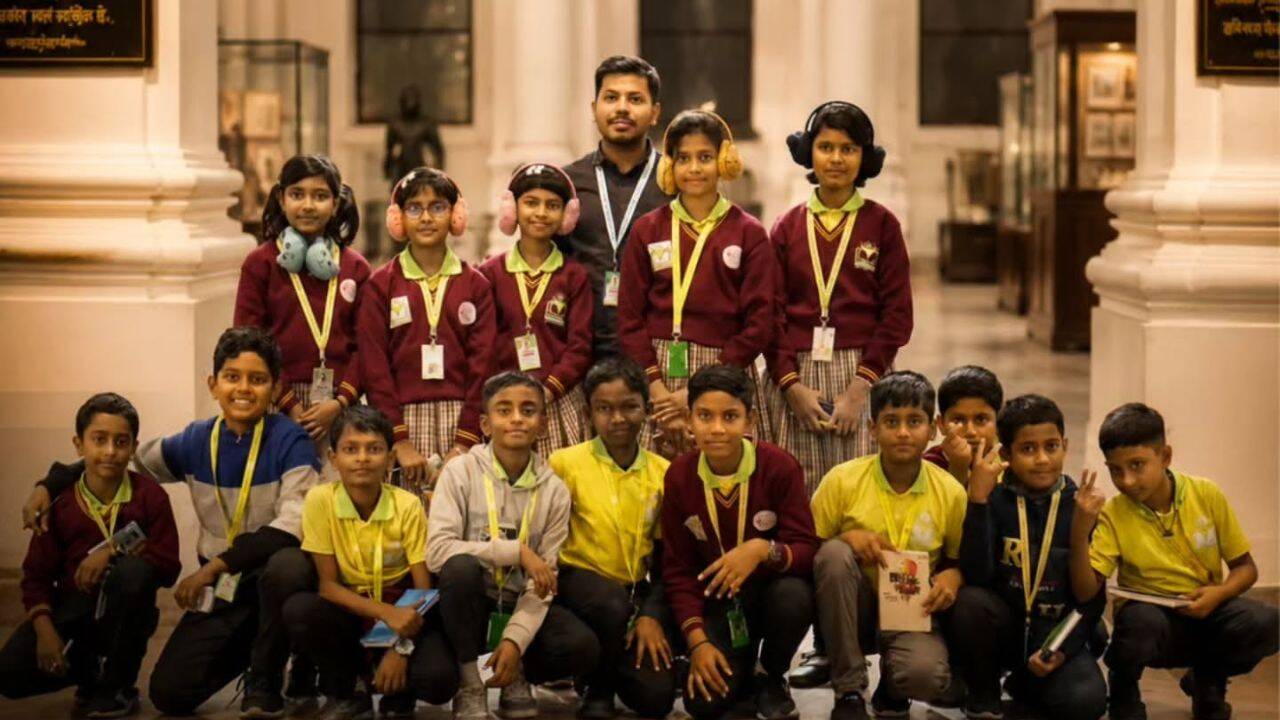
For years, Satarupa balanced her weekday job in Kolkata with a weekly trip to Hingalganj every Saturday a journey that involved a train, a rickshaw, a boat, and an auto-rickshaw. She would teach until the afternoon and plan the following week’s lessons on her way home.She began by counselling parents to send their children to class and gradually gathered a group of students. Using her own salary, she rented half an acre of land and set up a makeshift school. Getting children to attend regularly was difficult, and navigating an unfamiliar region alone made the work harder still, until a local teacher became an early supporter and helped her gain the community’s trust, connecting her with families and eventually joining her efforts before his sudden death in 2016.What began with 25 children in nursery and kindergarten classes gradually grew to Grade 4. When it became clear that students were being forced back into poorly resourced government schools after this point, Satarupa made the decision to give up her teaching career entirely and dedicate herself full-time to building a proper school, using her provident fund to lease more land and construct additional classrooms.
Growth, crisis, and community
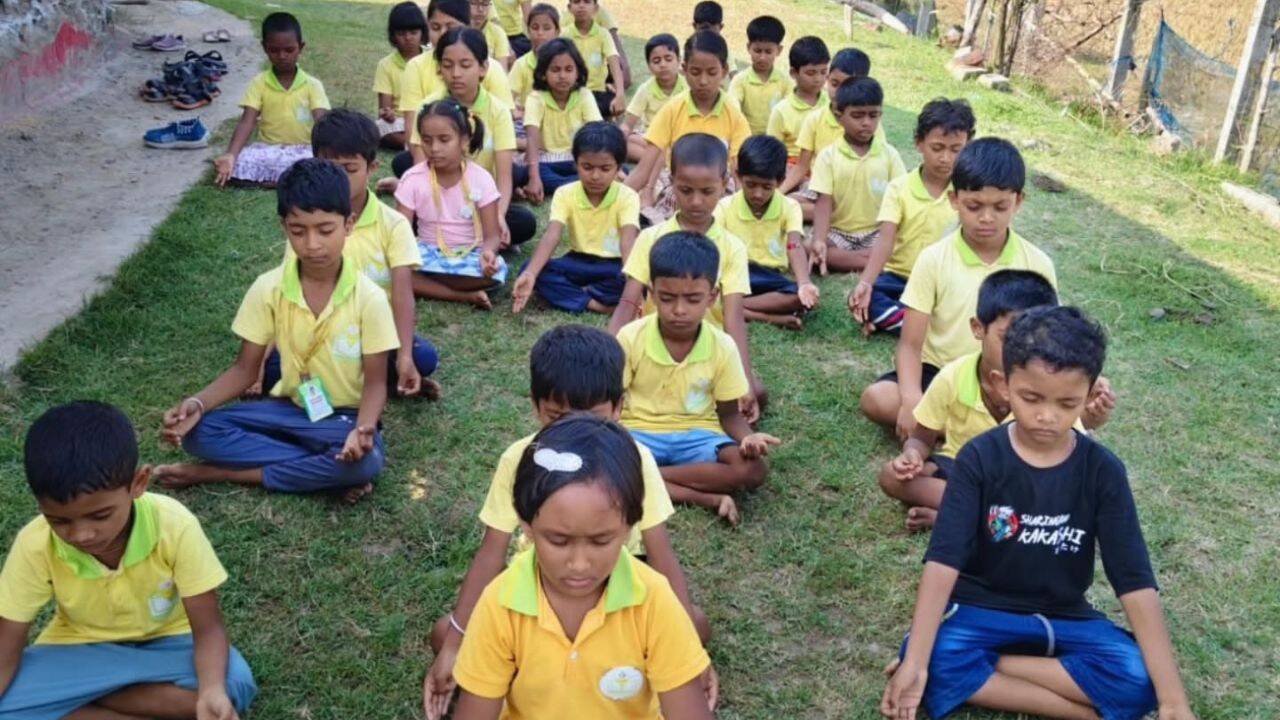
The school kept expanding through the following years, adding more grades and drawing support from donors, board members, and CSR contributions. Alongside academics, activity-based learning, storytelling, and outdoor sessions became part of the curriculum for younger children. As the organisation grew roots in the community, it began confronting issues beyond the classroom from child marriage to the abandonment of women, leading it to run child-protection and women’s-empowerment workshops alongside its schooling work.The organisation’s resilience was tested severely in 2020. During the pandemic, it managed to continue teaching by dividing students into those with access to smartphones and those without, distributing worksheets and thousands of ration kits to struggling families. Weeks later, Cyclone Amphan tore through the islands, and the organisation set up community kitchens that served tens of thousands of meals over three weeks, even as classes were suspended for lack of electricity. This relief work earned the attention of the local administration, which invited the organisation to set up centers in other parts of the islands, helping it grow to five centers within a matter of months.
A dream still growing
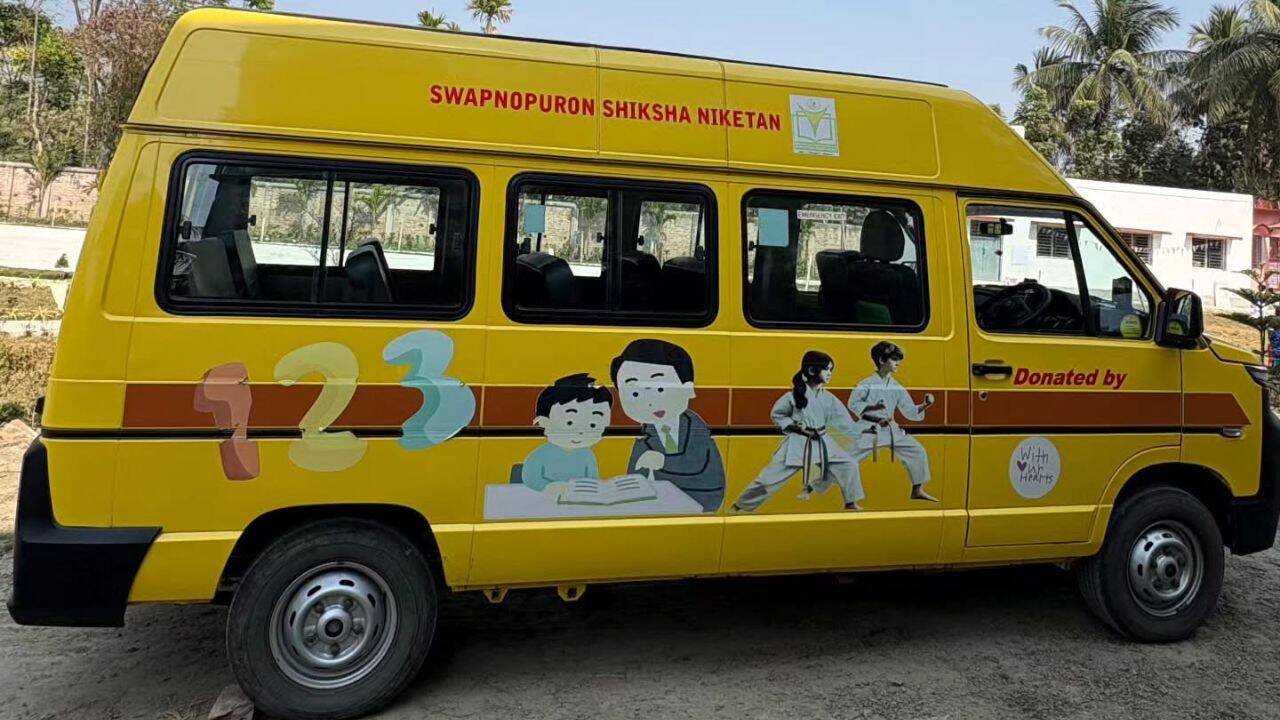
Today, this network of schools continues to serve children across the Sundarbans, many of them first-generation learners from families where survival remains a daily struggle. Teachers hired from Kolkata and elsewhere now live for days at a stretch in modest rented quarters on the islands to keep the schools running. What began as a spontaneous visit to donate a sewing machine has grown into a life’s work — proof that sometimes, changing the future of hundreds of children begins with one person choosing not to walk away.