








Nutria: The illegal immigrants
Nutria are such prolific breeders that one female can lead to 200 offspring in just a year.
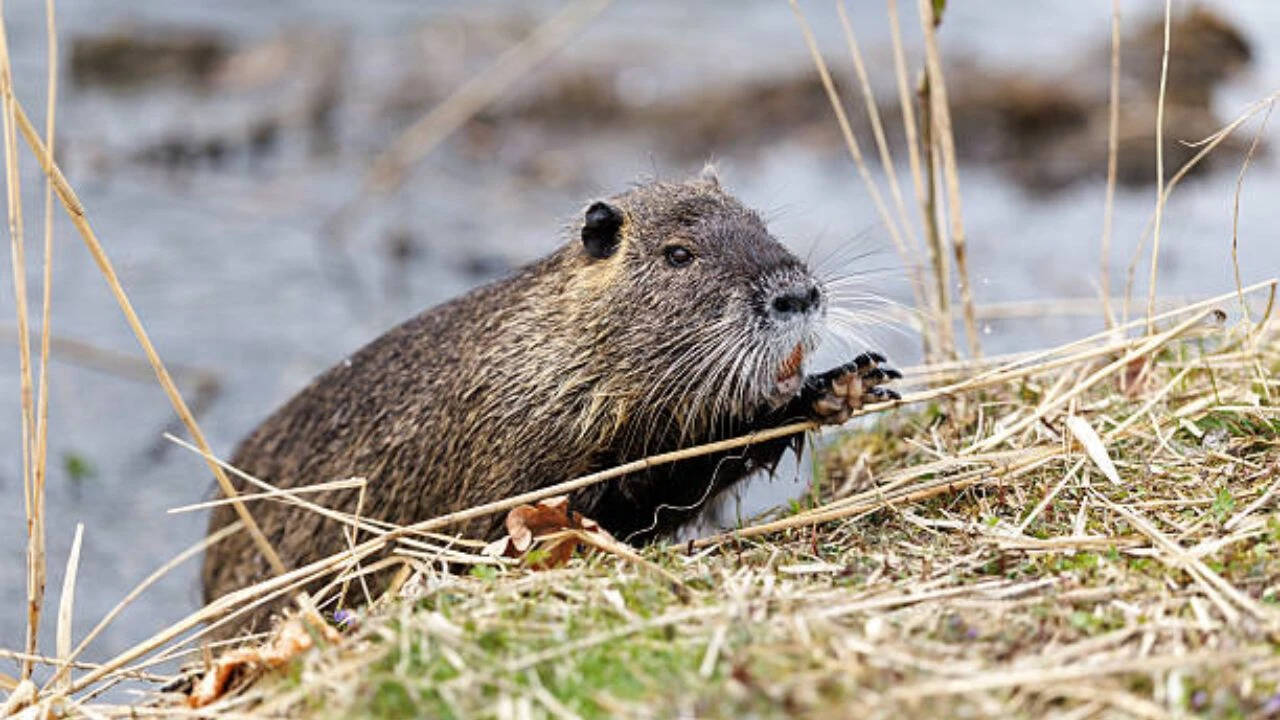
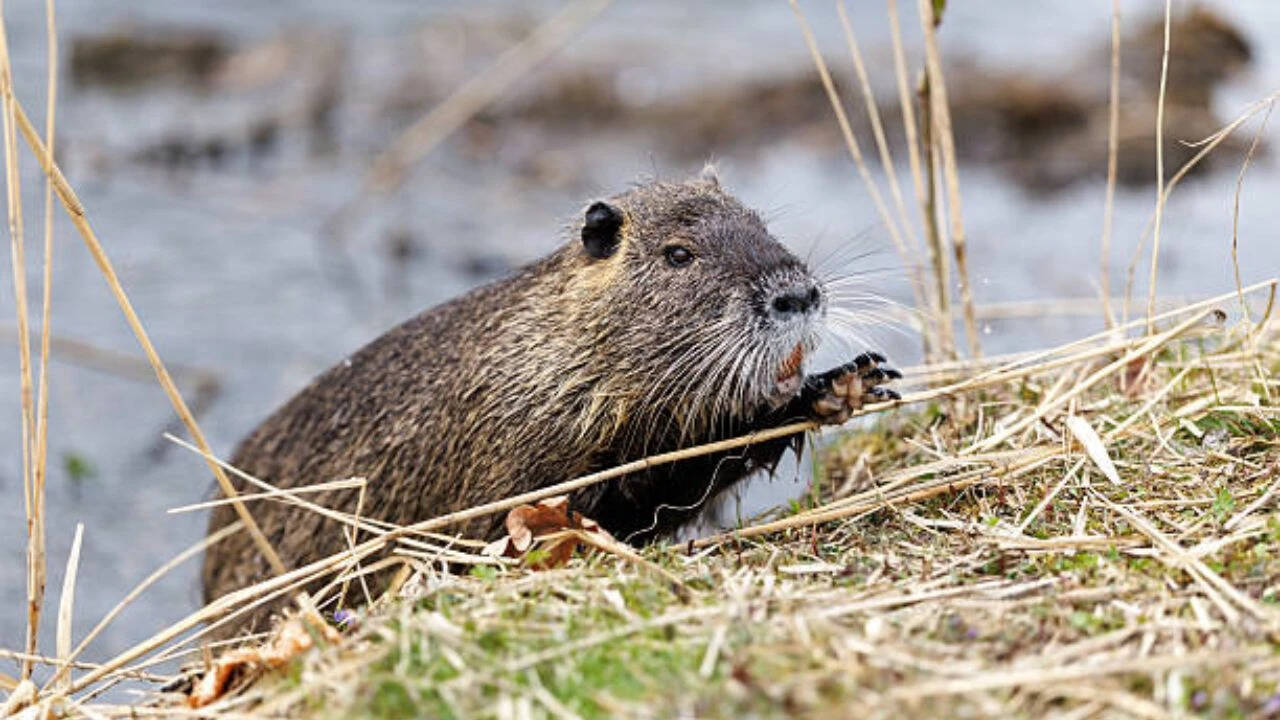
Nutria are such prolific breeders that one female can lead to 200 offspring in just a year. Unlike animals that take a year or longer to reach sexual maturity, nutria are ready to make babies at about four to six months. Females have anywhere from five to seven babies in a litter, and they have several litters every year.The rodents thrive in marine environments and quickly spread through rivers into coastal wetlands. They feed on the roots, leaves and stems of marsh plants which kills the vegetation instead of just trimming it. This destroys the root mats that hold the wetland soil together, leading to erosion, conversion of marsh into open water and loss of habitat for the native species.They also pose a risk to agricultural production and burrow into river banks, levees, and earthen dams, weakening infrastructure and accelerating bank collapse. In the United States, sugarcane and rice are the primary crops damagedby the nutria. Grazing on rice plants can significantly reduce yields, with severe localised loss. Other cropsdamaged by the nutria include corn, milo, sugar and table beets, alfalfa, wheat, barley, oats, peanuts, various melons, and a variety of vegetables. This depredation can lead to significant losses, especially for small farmers.They also pose a risk for public health and safety. The rodents can serve as hosts for several pathogens, including tuberculosis and septicemia, which can infect people, pets and livestock. In addition, they can carry parasites, such as blood flukes, tapeworms, liver flukes and a nematode known to cause a rash called “nutria itch.”A major hurricane in the late 1940s helped spread nutria across coastal Louisiana and southeast Texas. Today, they’ve been reported in at least 40 states and parts of Canada. The Gulf Coast, especially Louisiana, has been hit hardest with Nutria having destroyed tens of thousands of acres of coastal marsh there. They have also spread to states like Maryland, Oregon, Washington, North Carolina and parts of California and Texas.In terms of identification, they are approximately two feet long, with a large head, short legs, and a stout body that appears hump-backed on land. They are dark brown, large, buck-toothed, web-footed rodents that can grow larger than 20 pounds.
Control efforts
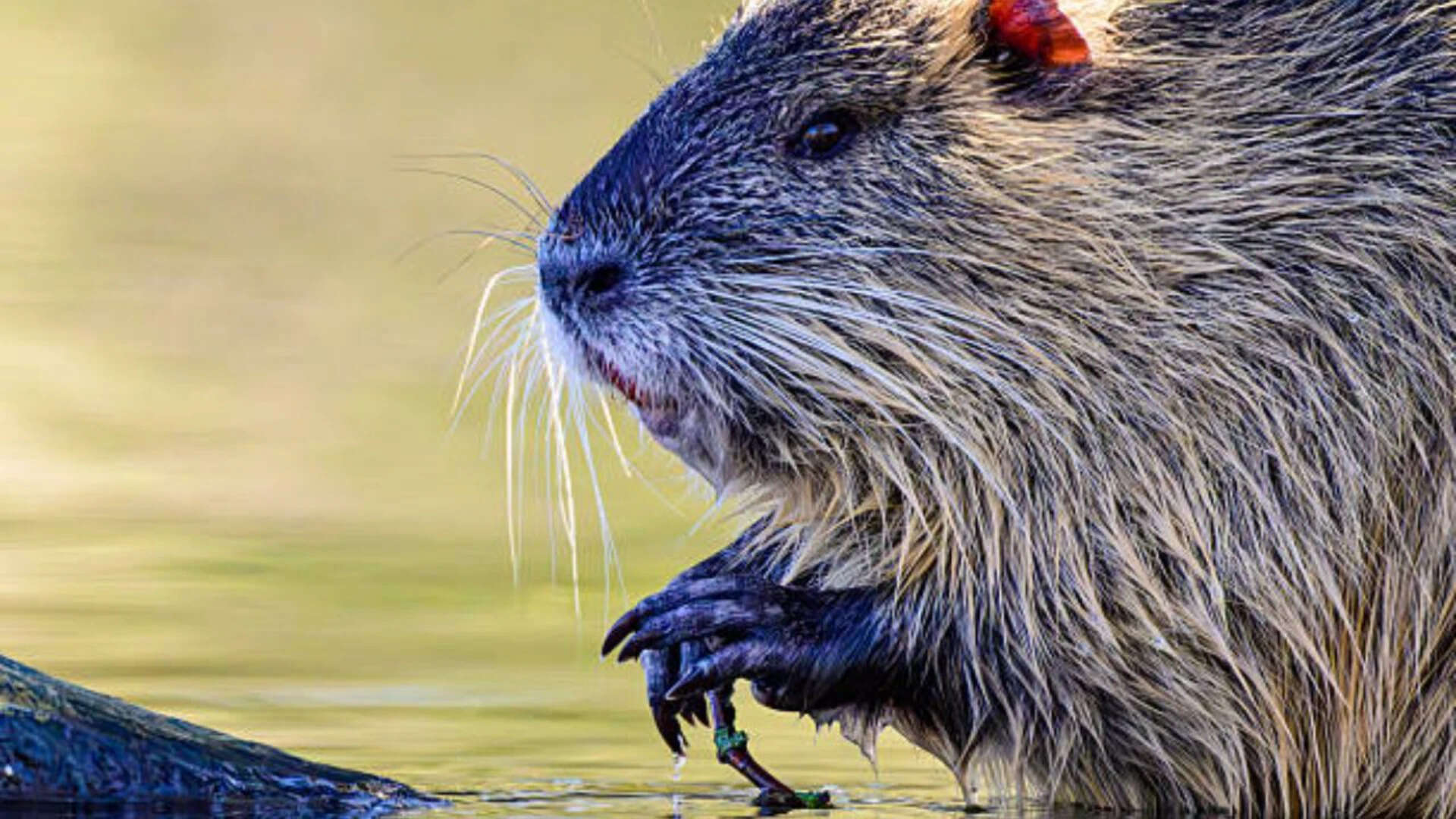
While they may look cute, nutria cause serious damage to wetlands and crops like rice and sugarcane, leading to over $1 million in losses each year
While they may look cute, nutria cause serious damage to wetlands and crops like rice and sugarcane, leading to over $1 million in losses each year, when all impacts are combined.In the early 2000s, Louisiana’s wildlife department tried encouraging people to eat Nutria by asking chefs to create recipes inspired by the rodent. There was even a campaign to bring their fur back in fashion, with a tagline: “Look fabulous while helping to save the wetlands.”Taking a more direct approach, Maryland’s wildlife department staged an eradication project in Chesapeake Bay’s Blackwater refuge area, where tens of thousands were removed from the wetlands over a 15-year period. Within twoyears, the eradication team had nearly eliminated nutria from the Blackwater National Wildlife Refuge, and by 2006, they expanded the eradication zone into surrounding counties. By utilising specialised detector dogs, hair snares, and intensive trapping, federal and state agencies successfully eradicated nutria from Maryland.Louisiana runs a bounty program called the Coastwide Nutria Control Program, paying trappers per tail to reduce populations. The Louisiana Department of Wildlife and Fisheries offers a $6 per tail bounty to registered hunters and trappers to remove up to 400,000 nutria per season.