









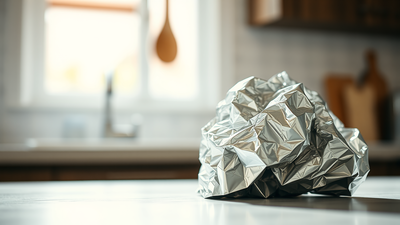
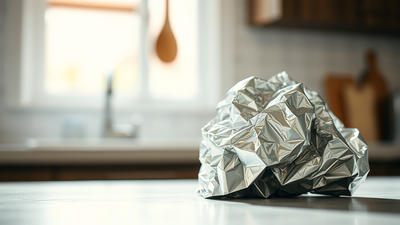
Before tossing that piece of foil you just unwrapped your food from, it is worth knowing that aluminium foil can survive several rounds of reuse once cleaned in warm soapy water. Recycling centres generally will not accept foil unless it has been cleaned first, which is one reason so much of it ends up in the bin instead of getting a second life. Some of the household tricks built around reusing foil are genuinely well supported; others are popular but weakly tested. Here is an honest breakdown.
Used aluminium foil can still clean, protect and even help your plants: 10 practical ways to reuse it
Cleaning silverware and jewellery: this one is real chemistry
This trick holds up well. According to chemistry explainers referencing the American Chemical Society backed science behind the reaction, submerging tarnished silver in hot water with baking soda while in contact with aluminium foil triggers a genuine electrochemical reaction. Aluminium has a stronger affinity for sulphur than silver does, so it pulls the sulphur out of the tarnish, silver sulphide, and returns clean metallic silver to the surface. One caveat worth noting: sources studying this reaction advise against using it on valuable antique or silver-plated pieces, since the process can subtly alter the surface texture over repeated use.
- Cleaning stuck-on grime from pots and pans
Foil balled up and used as a scrubber works on the same basic principle as any abrasive scouring pad, mechanically loosening baked-on residue, and combining it with baking soda adds a mild alkaline cleaning boost. This is straightforward physics and chemistry rather than anything requiring a specific study to confirm.
- Ironing board covers, plausible but not rigorously tested
The idea that a foil layer under the ironing board reflects heat back through fabric to speed up wrinkle removal is physically reasonable, since aluminium is a good heat reflector, but this specific household claim has not been tested in any controlled study I could find. Treat it as a plausible, low risk trick rather than a scientifically confirmed one.
- Reducing static cling in the dryer, real but modest
This one is weaker than commonly claimed. A hands-on test by Reader’s Digest found that foil balls in the dryer produced only a slightly noticeable reduction in static compared to using nothing at all, not enough of a difference for the outlet to actually recommend the trick. The underlying idea, that aluminium can act as a conductor and help discharge static buildup between fabrics, is sound in principle, but real-world results appear to be modest rather than dramatic.
- Reattaching loose floor tiles
Using a foil layer between an iron and a loose vinyl tile to soften the adhesive underneath is a widely documented practical technique among flooring professionals, since it allows heat to pass through and soften glue without directly scorching the tile itself. This is standard, sensible handyman practice rather than a folk remedy.
- Protecting surfaces while painting
Wrapping foil around door handles, knobs and fixtures to shield them from paint drips is simple physical protection with no chemistry or biology involved, and it works exactly as expected.
- Deterring aphids and other flying pests in the garden, strongly supported
This is one of the best-evidenced tips on the list. According to the University of California’s Statewide Integrated Pest Management Program, reflective mulches, including aluminium foil, disrupt flying insects’ ability to locate host plants by reflecting ultraviolet light, and have been shown to significantly reduce colonisation by aphids, leafhoppers, thrips and whiteflies. A study published by UC Cooperative Extension found aluminium foil mulch produced a 96 per cent reduction in aphids over an entire growing season, outperforming white plastic mulch, which lost effectiveness by mid-season. Wrapping foil around the base of plant stems is a smaller-scale version of this same principle.
- Keeping birds away with foil strips
This is reasonably well supported by gardening experts, who note that spinning or flashing reflective surfaces disorient birds and startle them away from seedlings, functioning similarly to commercially sold reflective bird deterrent tape, though it works through startling and disruption rather than any physical harm to the birds.
- Reflecting light onto indoor plants
Placing a sheet of foil near a windowsill plant to bounce additional light onto its leaves works on simple, well-understood physics; aluminium foil is highly reflective, and gardening resources note this same principle is used deliberately in reflective mulch to boost the light and heat reaching plant foliage.
- Sealing gaps against insects and rodents
The idea that foil placed in small gaps deters entry is more solidly supported for rodents, who dislike chewing through the material, than for insects generally, where the evidence is thinner and more anecdotal.