







Stereotypes usually follow people after they reach a certain age, like slowing down, taking it easy, embracing spirituality, giving opportunities to the upcoming generations, and letting the young ones run around.While most people accept it quietly and start embracing a slower and peaceful lifestyle, some others dismantle that stereotype so thoroughly that it’s funny to realise how wrong we had it.One such interesting story is about extraordinary women, or rather grandmothers, from Africa, well past the age most of us associate with retirement, who choose to spend their evenings running, sweating, and laughing on a dusty patch of ground. Not for medals. Not for money. Just because it makes them feel alive.Much like how the FIFA 2026 fever has overtaken nearly the entire world, a piece of it also travels among these grannies who want a football World Cup for grannies and prove that the game does not have an expiry date.
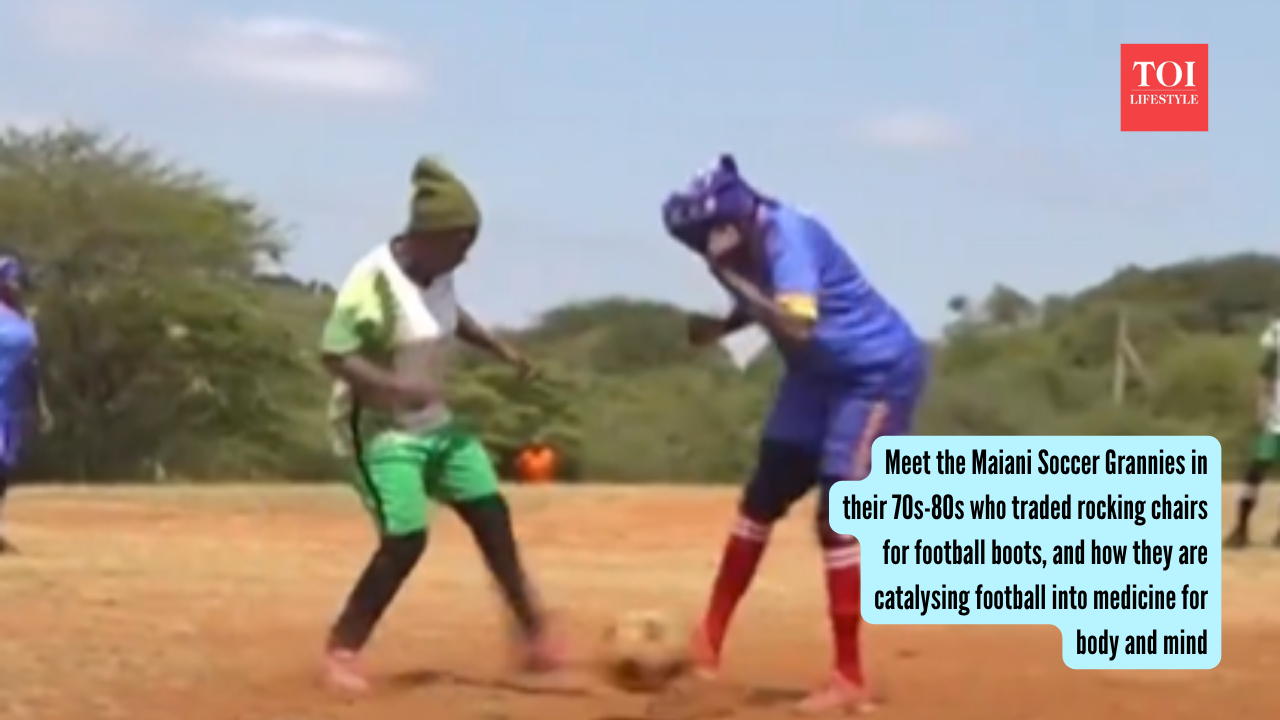
Photo via AP
Kenyan women between 50 and 80 play football to feel alive, develop friendships, and stay fit
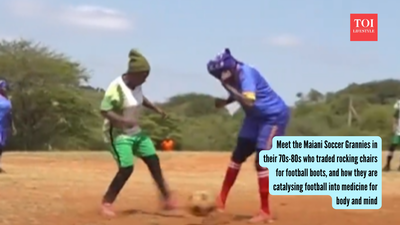
In Maiani, a rural village in Makueni County, Kenya, African women between 50 and 80 years old gather regularly to play football, part of a group known as the Maiani Soccer Grannies. According to chairlady Juliana Mulandi, the ambition goes beyond the village pitch: “We are hoping, as women, that one day we will have a World Cup for grannies,” she told AP. As football fever spread across the continent during the FIFA World Cup, this group proved that enthusiasm for the game has no expiry date.
The group began as an initiative encouraging women to stay active
The club was never built around competition, but with the perspective of health. According to the group, it began as a way to encourage retired women to stay active, after many found themselves living increasingly sedentary lives. It just began as an initiative to manage ageing bodies, and then slowly turned into something greater, into a genuine community, where members exercise, socialise, build healthy bonds and depend upon one another.According to AP, the change has been quite impactful for 56-year-old Peninah Wambua, who joined earlier this year. She had been dealing with constant pain and high blood pressure before picking up the sport. According to Wambua, since she started playing, she no longer struggles with those health problems and can walk long distances without difficulty.
The sessions go beyond just fitness
Juliana Mulandi describes the club as something the women built specifically for people their age, tired of dealing with health problems and idle routines. According to Mulandi, the sessions aren’t only just limited to fitness; they are like a wholesome wellness package that includes praying, singing, and laughing together, and by the end, the stress of daily life feels noticeably lighter.Because many of the members live in areas with irregular electricity, they often gather at Mulandi’s home after training to watch World Cup highlights together, cheering for African teams and imagining a future where their own group competes on a similar stage.
Research examines how physical activities benefit the health of aged people
As we get older, staying active does a lot more than just keep the body moving. According to research published in the Journal of the Indian Academy of Geriatrics, regular exercise helps the heart work better, strengthens muscles, helps decrease the porosity of bones, and even sharpens the mind. It lowers the risk of long-term illnesses and, in many cases, simply helps people live longer.It also plays a big role in day-to-day safety. Staying active helps older adults hold onto muscle mass and avoid falls, and it lowers the chances of conditions like osteoporosis and sarcopenia, both of which quietly weaken the body over time.The benefits go beyond the physical, too. Exercise and physical activity supports brain health, lower the risk of dementia, and can genuinely ease feelings of depression and anxiety. And when it’s done in a group, it brings people together, easing loneliness and building a real sense of community.At the end of the day, staying active isn’t just about the body. It also influences how well people live, physically, mentally, and socially, as they age.Despite limited funding for equipment, transport, and playing grounds, the Maiani Soccer Grannies keep training twice a week, without fail. For them, football was never really about winning. It’s about staying healthy, staying connected, and proving that growing older doesn’t have to mean growing quiet.