









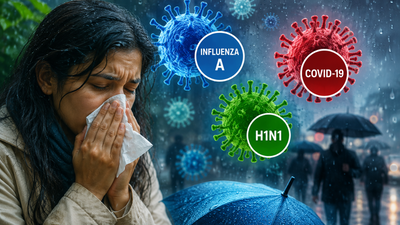
Singer Jaan Kumar Sanu’s recent hospitalisation with COVID-19 and reports from doctors in Mumbai of an unusually high number of Influenza A cases have once again put respiratory infections in the spotlight. The current surge in Influenza A has been described as ‘almost epidemic-like’ by Mumbai-based surgeon Amit Thadani recently, while hospitals across the city have also reported patients testing positive for COVID-19 and H1N1. The findings may be alarming, but experts in an exclusive conversation with ETimes say the situation calls for awareness, not panic.According to Dr Anita Mathew, Director, Internal Medicine, Fortis Hospital Mulund, Mumbai, people should pay attention to certain symptoms. “In the monsoon season, one often sees an increased prevalence of respiratory virus infections like Influenza A, COVID-19, and H1N1. Although the increased incidence of infections is normal because the monsoon season favours the spread of infection, there is no need to worry about it as most of these infections tend to be mild and treatable through proper medical treatment and sufficient rest. If you see symptoms like fever, cough, throat pain, body pains, weakness, nasal congestion, and breathlessness, especially if they get worse or last longer than a few days, you must not ignore them. Avoid self-treatment of any kind and especially the use of antibiotics, as infections caused by viruses do not respond to antibiotics,” cautions Dr Anita.Dr Pradeep Bajad, Consultant, Pulmonology, Amrita Hospital, Faridabad, says what doctors are seeing is not the comeback of a single virus but a ‘viral cocktail’ typical of the monsoon season. “Every monsoon, respiratory viruses get the right environment to spread. We are seeing Influenza A, H1N1 and COVID-19 circulating at the same time this year. The symptoms are so similar that you can’t tell just from the symptoms what virus it is. All three infections can cause fever, sore throat, persistent cough, body ache, headache, fatigue and even diarrhoea. Laboratory testing is important in patients with moderate to severe symptoms or those at high risk,” mentions Dr Pradeep.The rise in infections is not surprising. In the monsoon, people are in crowded offices, schools, malls and on public transport for longer, where ventilation is often poor. Such enclosed spaces allow quick spread of viruses via droplets and aerosols.
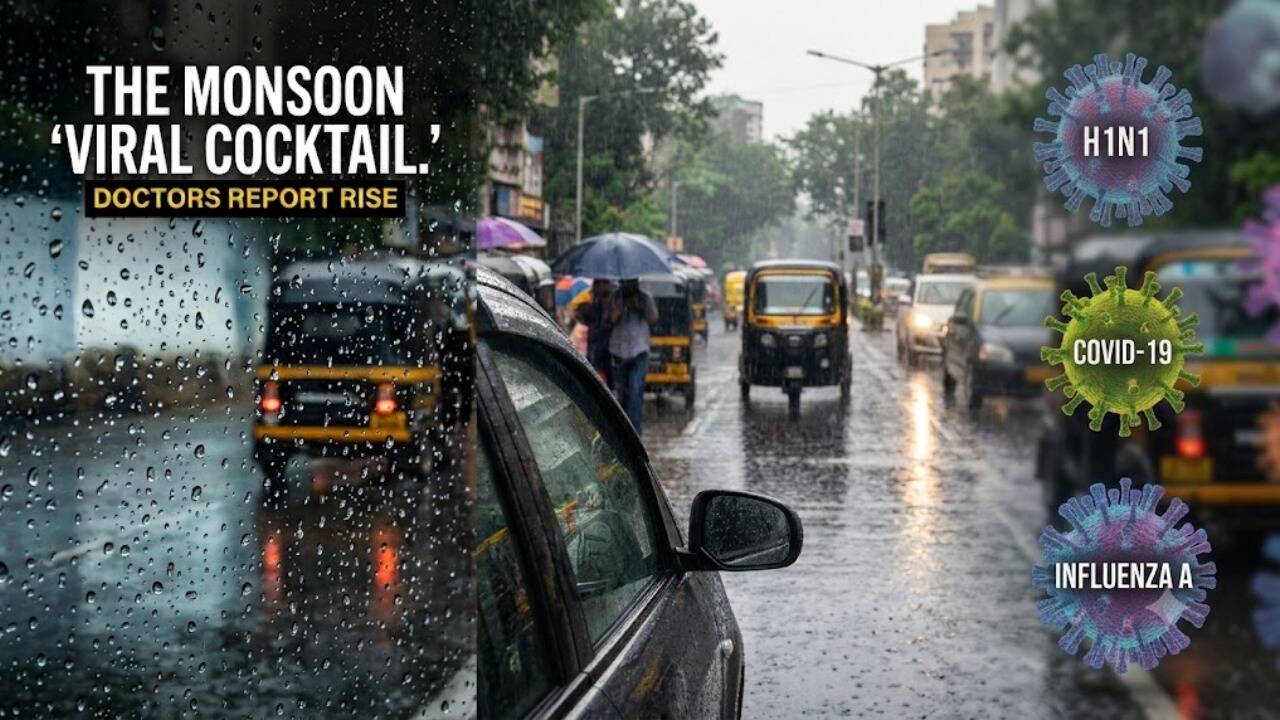
Image: AI
“The good news is that the current variants of COVID-19 continue to cause mild illness in most people with prior immunity from vaccination or previous infection. Most Influenza A infections are also self-limited with bed rest, fluids and supportive care. But some groups are still vulnerable to severe disease. People over 60, diabetics, patients with chronic heart, lung, kidney or liver disease, cancer patients, organ transplant recipients and those on steroids or immunosuppressive medicines should not ignore symptoms. They are more likely to develop complications such as pneumonia, worsening of existing conditions and respiratory failure. Recent COVID-19 deaths reported in Andhra Pradesh also point to one important thing. Both patients had significant pre-existing medical problems. For most healthy people, the virus itself has become less aggressive, but still dangerous for those with multiple comorbidities or weakened immunity,” says Dr Bajad.Antibiotics do not work against influenza or COVID-19. Their unnecessary use only contributes to antimicrobial resistance. Experts urge people not to self-medicate or demand antibiotics for every viral fever. “If the fever does not subside in three days, or if breathing difficulty, low oxygen levels or symptoms worsen instead of improving, then seek medical evaluation without delay,” informs Dr Pradeep. “There is no need for panic, but there is a need for responsibility. Respiratory viruses might have become a part of our lives, but most serious complications can be avoided by timely testing, early treatment for high-risk patients and sensible preventive measures,” concludes Dr Bajad.Dr Bharesh Dedhia, Consultant, Intensive Care, P.D.Hinduja Hospital and MRC, Khar says, “There is no reason to panic, even if the latest upsurge of infection is quite worrisome, it is also a reminder that the virus continues to circulate.”“One common mistake people commit is thinking that any slight fever or soreness of throat is just another seasonal flu or viral infection. If symptoms like fever, continuous cough, sore throat, body aches or extreme tiredness persist beyond 48 hours, then it’s better to seek medical help. This is especially important for older adults, pregnant women, people with diabetes, heart disease, chronic lung diseases or immunity issues, and do not self-medicate without medical supervision. The earlier the symptoms are medically assessed, the greater will be the certainty of whether testing or a specific treatment is needed, and this way, it will help to avoid complications which are totally unnecessary,” he stresses.“Most otherwise healthy people who have a mild illness mostly get better at home with rest, proper fluids and symptomatic care while regularly getting medical advice. However, anyone experiencing signs such as shortness of breath, persistent chest pain, confusion, bluish lips or decreased level of oxygen on a pulse oximeter, the person should seek medical assistance. The situation now requires a quick diagnosis and understanding the correct way to take care of yourself while under the weather, and at the same time, protecting people more susceptible to severe disease than panicking unnecessarily,” he adds.Simple precautions are still the best defence. Wearing a well-fitting mask in crowded indoor settings, washing hands frequently, ensuring good ventilation indoors, staying home when symptomatic, and keeping vaccinations up to date can go a long way in reducing transmission. Experts say that while most infections remain mild, timely testing for high-risk individuals, avoiding self-medication and following basic precautions are the best ways to stay protected.Medical experts consulted This article includes expert inputs shared with TOI Health by: Dr Pradeep Bajad, Consultant, Pulmonology, Amrita Hospital, FaridabadDr Anita Mathew, Director, Internal Medicine, Fortis Hospital Mulund, MumbaiDr Bharesh Dedhia, Consultant, Intensive Care, P.D.Hinduja Hospital and MRC, KharInputs were used to discuss how to take care during monsoon amid rise in COVID, flu and H1N1 cases.