









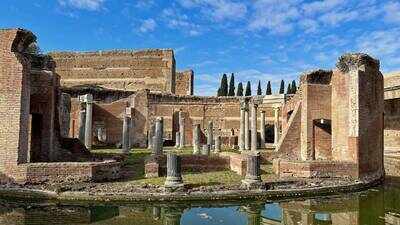
Archaeologists have uncovered a hidden underground chamber beneath Hadrian’s Villa in Tivoli, Italy, in a discovery that could reshape historians’ understanding of one of ancient Rome’s most famous imperial estates.The find was recently announced by Pablo de Olavide University (UPO) in Seville, Spain. Researchers believe the underground structure predates Emperor Hadrian’s reign by several centuries, making it potentially the oldest known structure at the historic site.
Discovery predates Emperor Hadrian’s reign
Hadrian’s Villa, a UNESCO World Heritage Site, was built for Emperor Hadrian, who ruled the Roman Empire from 117 to 138 A.D. The emperor is best known for commissioning Hadrian’s Wall in northern Britain and travelling extensively across the empire during his reign.However, the newly uncovered chamber dates back to the Roman Republic period (509 B.C. to 27 B.C.), long before Hadrian built his sprawling palace.According to archaeologists, the abandoned underground structure may have served as a silo or storage facility. It was found partially filled with ancient construction debris and ceramic materials.Researchers believe the discovery could represent the oldest surviving structure ever identified at Hadrian’s Villa.
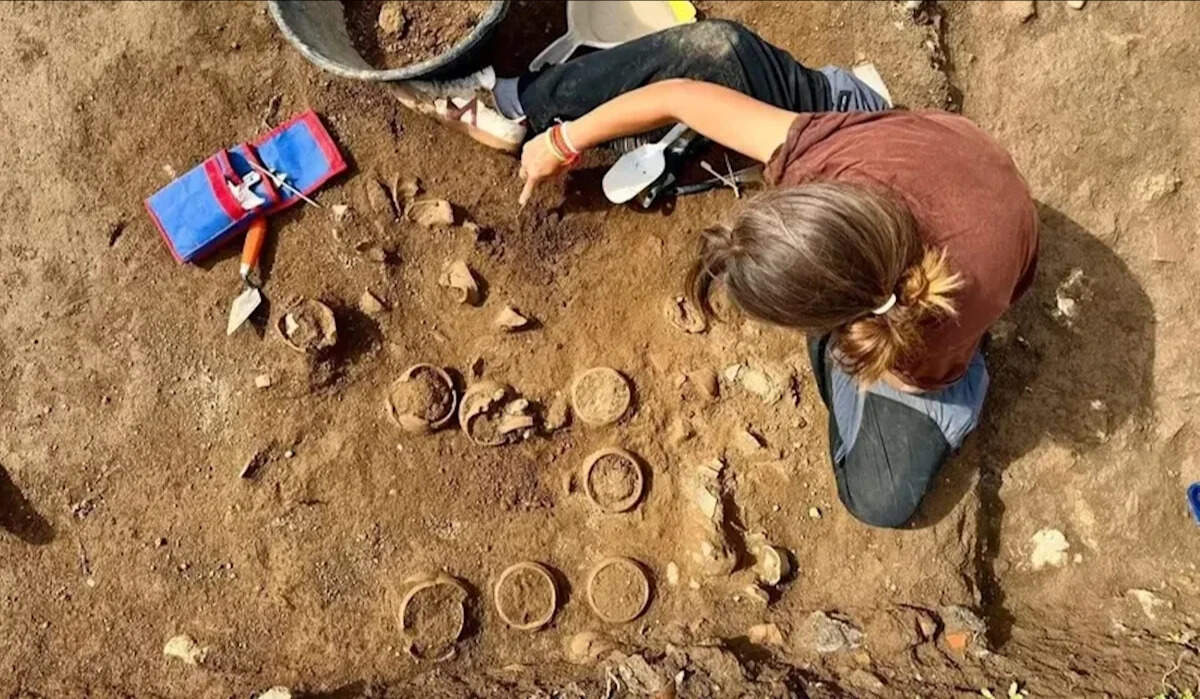
Image credits: Pablo de Olavide University
Excavation reveals well-preserved Roman architecture
The excavation was led by Rafael Hidalgo, director of the Palazzo Project at Hadrian’s Villa. He said the team was surprised to find that the underground space had not been completely filled with soil.As work continued, archaeologists recovered numerous artefacts, including ceramic fragments and architectural terracottas that once decorated the roof of a nearby building. Some of the decorative pieces feature canine heads, while another depicts a bull’s head.Hidalgo also noted that the structure is remarkably well preserved.“The roof was perfectly preserved,” he said, explaining that even the impressions left by the wooden framework used to support the Roman concrete during construction remain clearly visible.
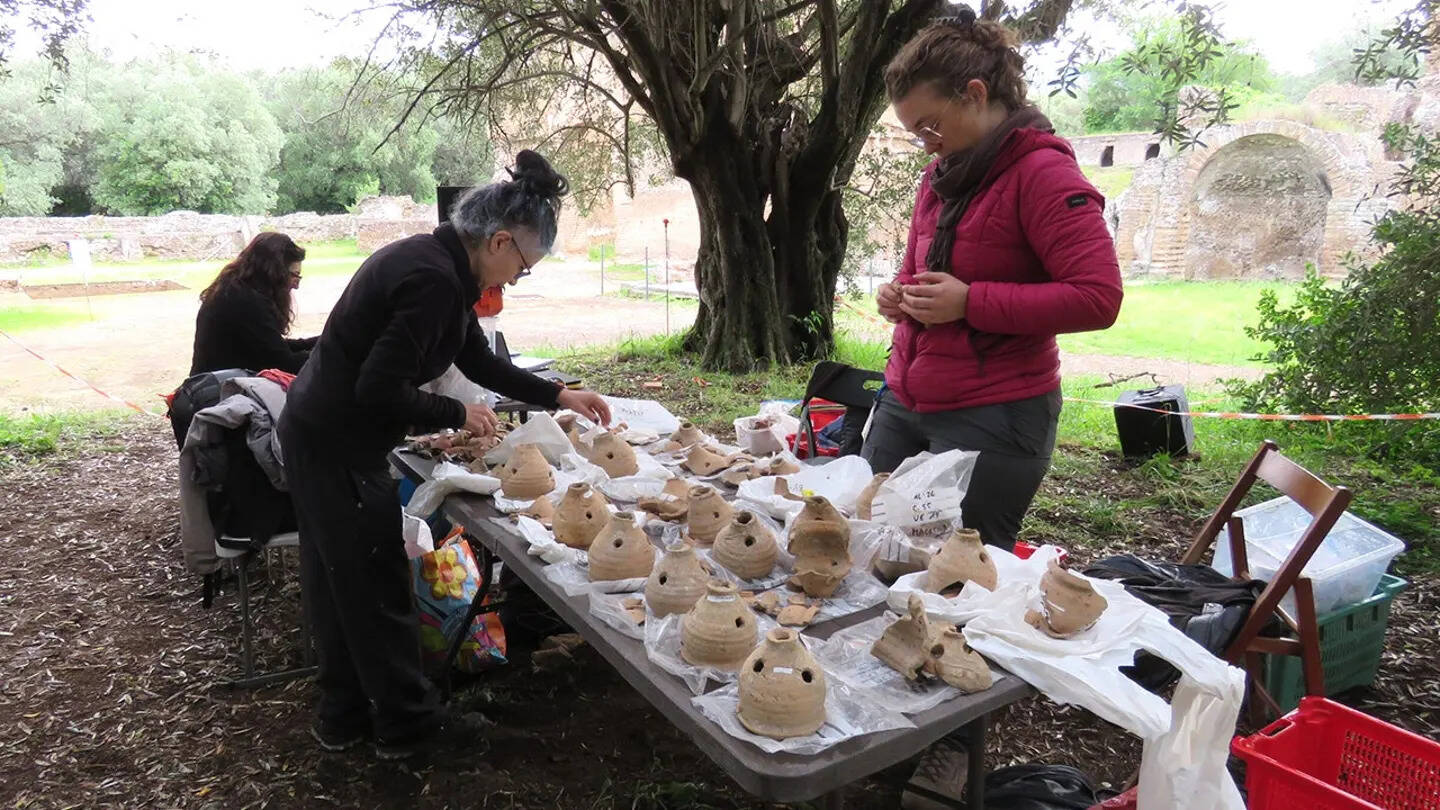
Image credits: Pablo de Olavide University
Discovery could unlock the history of an earlier Roman villa
Researchers say the newly recovered materials could help establish when the earlier villa was occupied and provide valuable insight into the site’s history before Hadrian transformed it into his imperial residence.Hidalgo explained that historians know relatively little about the earlier villa because much of it was destroyed during the construction of Hadrian’s palace.The archaeological team believes the ongoing study of the recovered artefacts will help establish a clearer timeline for the site’s earliest phase of occupation.
Another major archaeological find in Italy
The discovery adds to a growing number of significant archaeological finds across Italy in recent years.Earlier this year, archaeologists uncovered the remains of an ancient Roman villa beneath a high school gym near Rome’s Colosseum. Last summer, construction work on Rome’s Metro Line C also led to the discovery of a multi-storey apartment building dating back to the first century B.C., offering yet another glimpse into the city’s ancient past.