








Most people throw eggshells in the kitchen bin without thinking about anything else, but skilled gardeners consider them a source of natural resources. High in calcium and other trace minerals, eggshells can be used in many ways in the garden instead of being simply wasted. Even though they cannot become a miracle fertilizer, proper preparation can be very helpful for the garden soil, composting process, or protection against certain pests. Let’s check out how gardeners take advantage of this everyday item.
Adding calcium to the soil
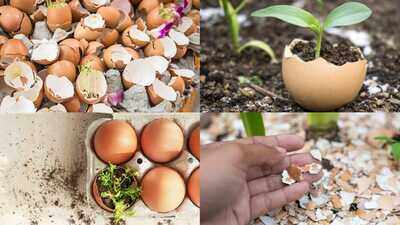
The primary component of eggshells is calcium carbonate – one of the essential minerals for healthy plants. After washing and drying them, gardeners crush the shells into smaller pieces and mix them with the soil. As the eggshells start to decompose, they release the calcium slowly. Though they cannot be used as a quick fertilizer, it can be beneficial for soil enrichment in the long run.Instead of throwing eggshells in the bin, add them to your compost heap. By breaking the eggshells, you will be able to enrich the compost by minerals, which makes the final product more nutritious. Crushing them into smaller pieces, you speed up the process of decomposition and mixing with other components of the compost such as vegetable scraps, fallen leaves, or grass clippings.
Repelling slugs and snails
Another popular usage of eggshells in the garden is crushing them and spreading around vulnerable plants in order to discourage slugs and snails from eating them. Sharp pieces of eggshells may form an uncomfortable ground for soft-bodied pests. Though there is no solid scientific evidence that it is really working, this method is often used by home gardeners. Changing the shells after rains ensures the protection.
Eggshells as seed-starters
Surprisingly enough, half eggshells can be used as biodegradable seed starters. To do that, you have to rinse the shells, fill them with the potting mix and sow the seeds, placing the eggshells into the egg carton. When the plants become big enough for transplanting, you have to crack the shells and plant them together with the plants directly into the soil.
Covering exposed soil
Crushed white eggshells can also become an excellent mulching material for covering exposed garden soil. In addition to giving the garden beds a beautiful look, they protect the soil from splashes of water. Of course, they are not a substitute for more traditional mulches, such as bark or compost, but they give garden pots another option of decoration.In addition to crushing and mixing eggshells with soil, some gardeners prefer to wash the shells carefully, dry them thoroughly, and grind them into powder. Such eggshell powder disintegrates faster than other pieces and can be added either to potting soil or compost. Due to smaller pieces, calcium becomes available for soil faster.
Sustainable gardening practices
Of course, reusing eggshells in the garden is a good environmental practice. Instead of putting them in the trash, you will turn the natural materials into compost, seed starters, or soil additives. Thus, making the garden healthier and reducing household wast