









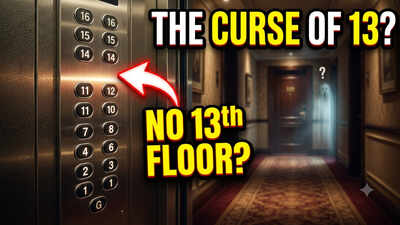
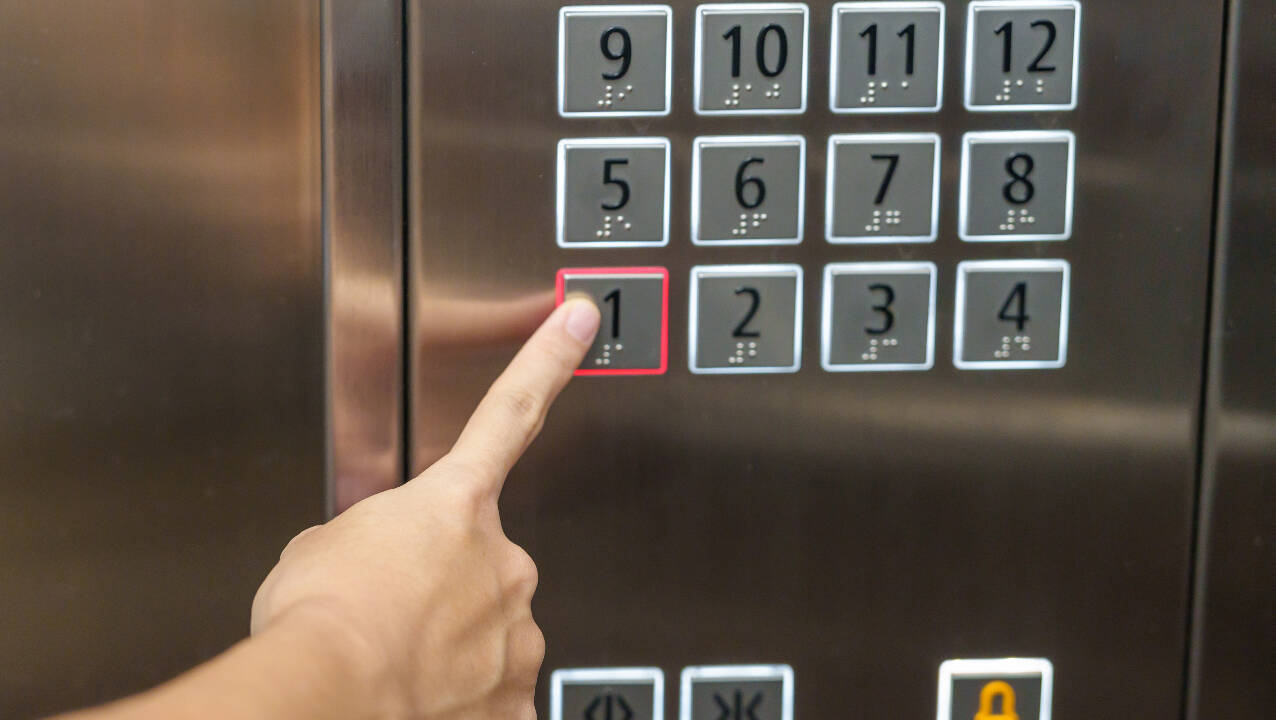
When it comes to hotels, we often notice everything from white linen sheets to impeccable services. But, there is something very unique that most of us often miss. Wondering what? Well, if you have ever stayed in a hotel, you may have noticed something unusual while riding the elevator: after the 12th floor, the next button often says 14. The 13th floor is often missing. Have you ever wondered why? While the building may physically contain a thirteenth level, many hotels choose not to label it that way. Let us discover why.
Why is the 13th floor missing in hotels?
This practice is followed in many parts of the world. The curious practice is not because architects cannot design a 13th floor, it is largely connected to superstition, cultural beliefs, and customer psychology.
The fear of number 13
For some hotel owners, it is the fear of the number 13, which is also called Triskaidekaphobia. It is one of the most widespread numerical superstitions in the world, particularly in Western cultures. According to experts, the origin of this fear is still not detected, but several historical and religious associations have contributed to its reputation as an unlucky number. Several historical and religious associations have contributed to its reputation as an unlucky number. The most common belief associated with the number is to the Last Supper in Christian tradition, where Judas Iscariot, the disciple who betrayed Jesus, was said to be the 13th person at the table. Over the decades, the number has been associated with misfortune in popular culture, which is why people avoid important events, travel plans, or major decisions involving the number.
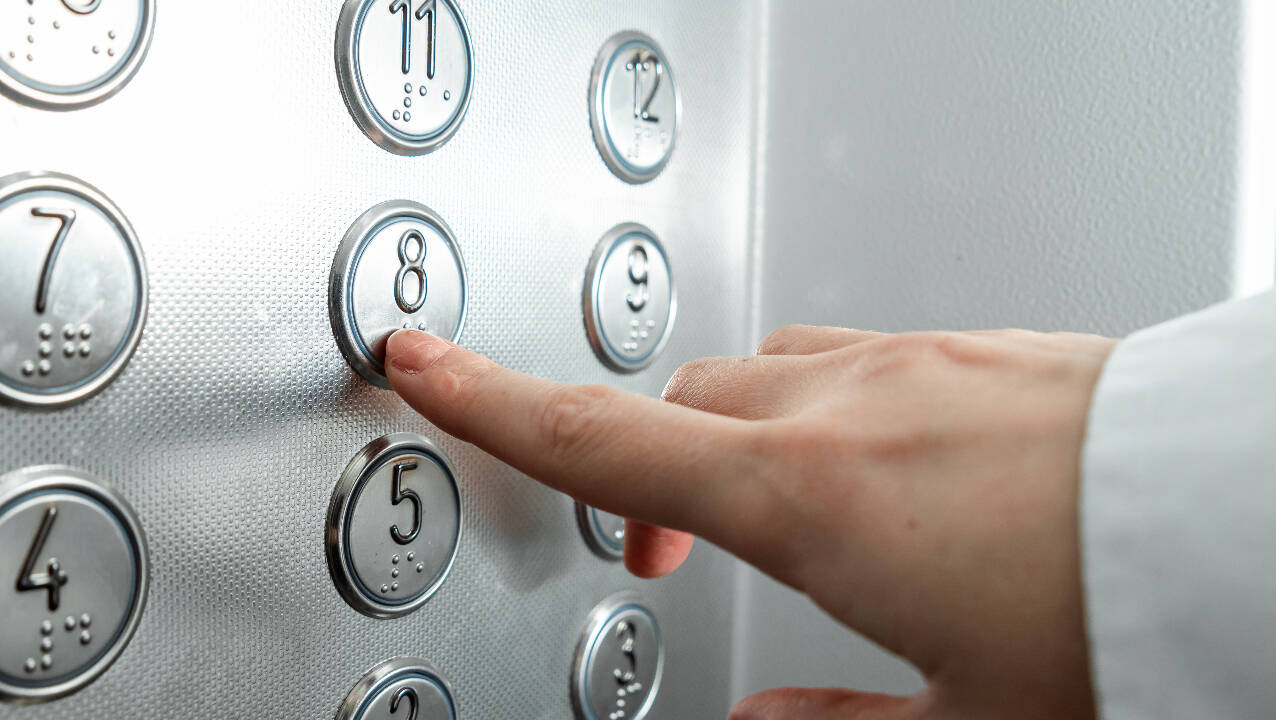
What is the ideology of hotels
A hotel is often considered a safe space that makes you feel at home and helps break the monotony. To make customers feel safe, hotels follow their psychology and avoid using the number 13. A guest who believes the 13th floor is unlucky may hesitate before booking a room there or may feel uncomfortable throughout their stay. By simply renumbering the floor as 14, hotels remove a potential concern before it becomes an issue.
How do hotels handle this game of number
For years, hotels around the world have been using different methods to avoid displaying the number 13. The most common approach is to label the floor above 12 as 14. Other buildings may use alternative names such as M floor, dedicate the floor to a historic name or dedicate it in the name of the owner. Also, this practice is not just limited to hotels, many market players use this concept in residential buildings, hospitals, office towers, and apartment complexes around the world.
Is the 13th floor really missing?
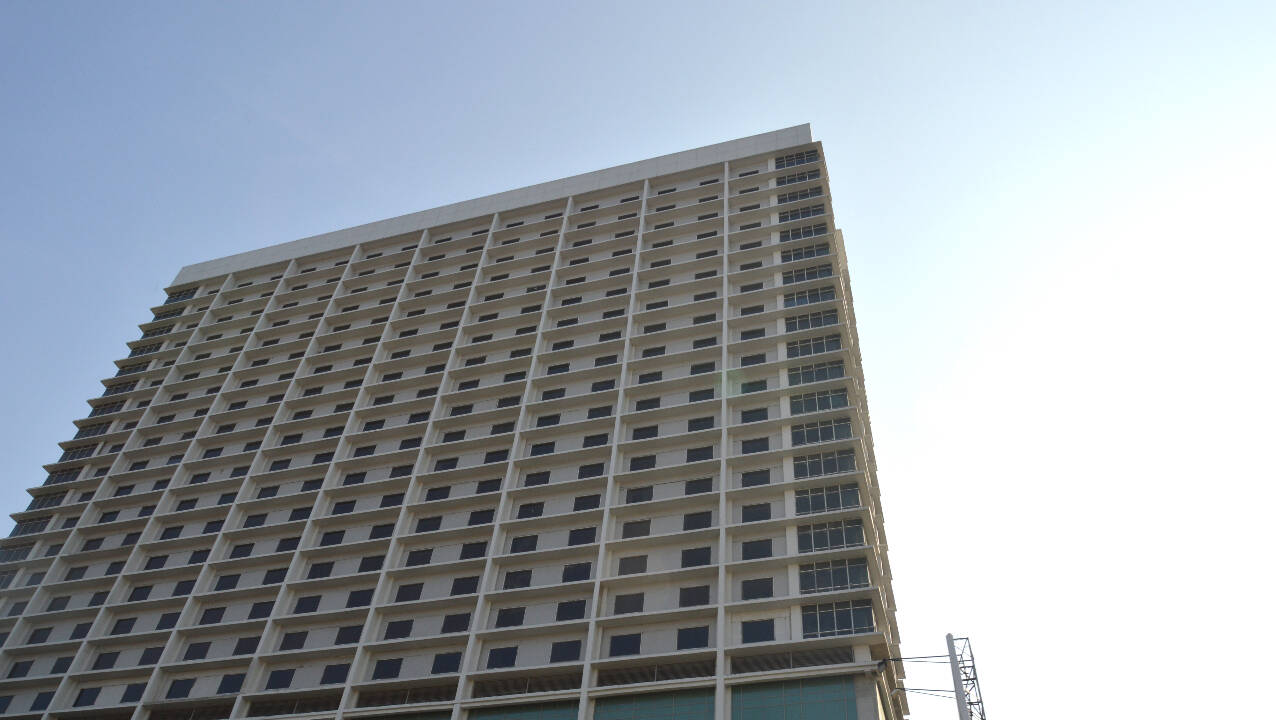
Well, factually the floor exists, despite what elevator buttons suggest. It may simply have a different name. According to experts, the absence of the number is a marketing and psychological decision rather than a physical one.
Cultural differences around the world
It is all driven from the space of fear and belief. While the number 13 is considered unlucky in many Western countries, other cultures have different beliefs. According to experts, in some East Asian countries, the number 4 is considered unlucky because its pronunciation is similar to the word for “death” and that why countries such as China, Japan, and South Korea may avoid floors containing the number 4.
The game of psychology and its impact
According to psychologists, the missing 13th floor in elevators and documents is a fascinating example of how human beliefs can influence architecture and business decisions. The truth is, while the 13th floor has not actually vanished, many hotels choose to hide it because of guest perception and business matters.