







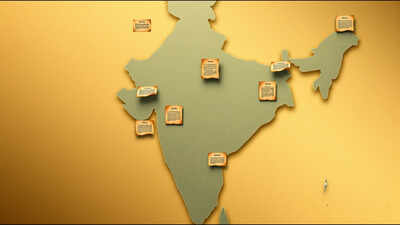
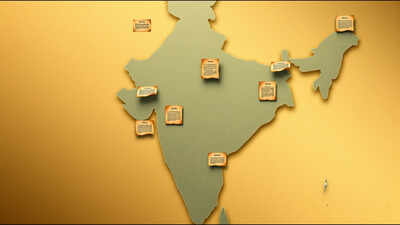
Whether you’re buying a plot, applying for a farm loan or resolving an inheritance dispute, one document is almost always essential: the land record. But because land is a state subject in India, this document has different names and formats across states, even though its purpose remains largely the same.
The 7/12 extract (saat-baara)
In Maharashtra, the most widely referenced land record is the 7/12 extract, or Saat-Baara Utara. The name comes from two registers under the Maharashtra Land Revenue Code: village form 7, which records ownership and liabilities of the owner, and village form 12, which records crop and cultivation data. Combined, the extract shows the owner’s name, survey number, area, soil type, and crops grown, making it central to agricultural land transactions in the state.
Khata and khatauni
A Khata certificate is a legal document used for computing and filing property tax in Karnataka. It contains all the property details, such as the owner’s details, property size, location, carpet area, built-up area, tax assessment, and property identification number. The municipal corporations maintain the document, and it serves as a record of payments.In Uttar Pradesh, Bihar, and other northern states, the equivalent record of ownership and cultivation is called the Khatauni. It shows a family-wise land ownership record.
Patta
This document verifies the ownership of land or property in Tamil Nadu, which can be used for different purposes. It includes details such as how many rooms have been constructed, how much area has been covered and many other details about the land. It is especially significant in Tamil Nadu, where the Patta Chitta system combines ownership (Patta) with land classification records as Nanjai (wetland) and Punjai (dry land), based on available water resources (Chitta).JamabandiIn Punjab, Haryana, and parts of Rajasthan, the master land record is called the Jamabandi, sometimes translated as the “Record of Rights.” It lists ownership, tenancy, and revenue liability for each plot in a village, typically updated every four to five years.
Why it matters
Despite the differing names, all these documents serve the same core purpose: establishing legal ownership, cultivation rights, or tax liability for land. With India’s push toward digitized land records, through portals like Bhulekh, Bhoomi, and Dharani, much of this information is now accessible online, though the terminology remains regional.