








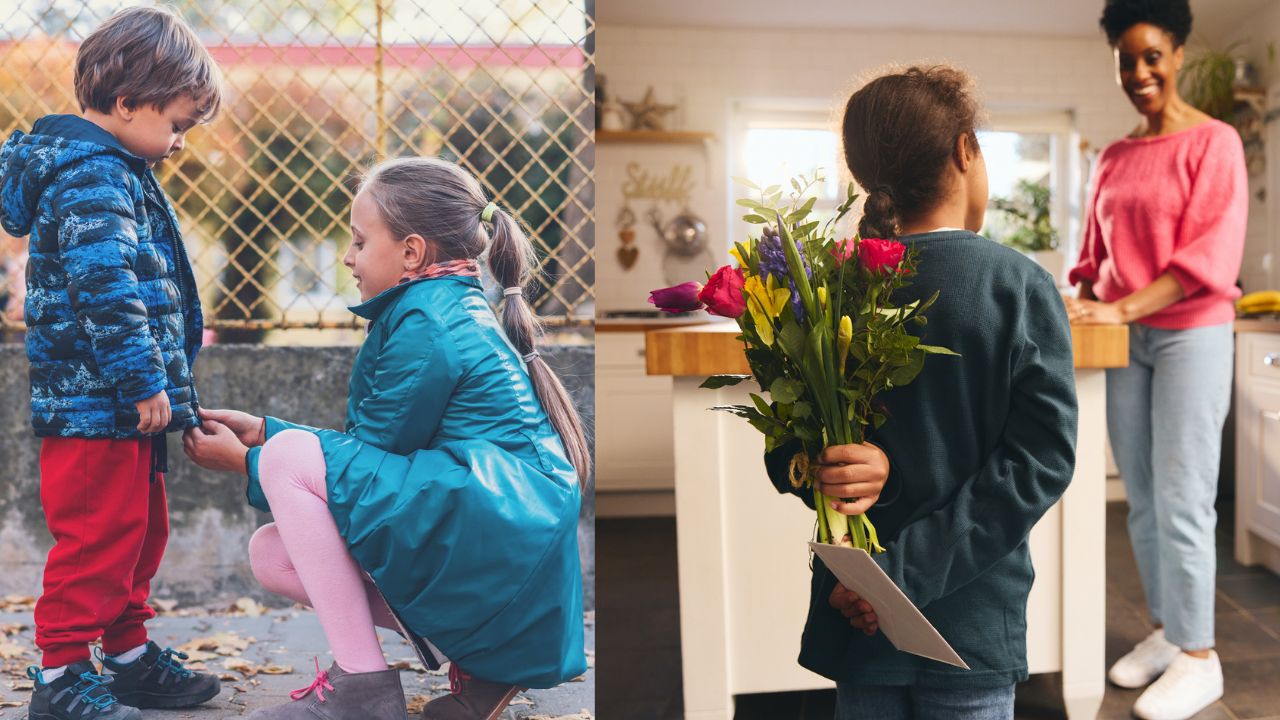
Walk into an elementary school in Japan and you might notice something unusual. There are no cleaners rushing through classrooms after the bell rings. Instead, students pick up brooms, wipe desks, clean hallways and even help serve lunch. These routines are not designed to save money. They are intended to teach children that every member of a community shares responsibility for it. Respect is learned through action, not lectures. Japanese schools also dedicate time to moral education, known as dōtoku, where children reflect on honesty, kindness, fairness, courage and respect for others. Rather than memorising definitions, students discuss everyday situations and think about how their choices affect those around them. Researchers note that moral education is woven throughout school life instead of being treated as a standalone subject.