








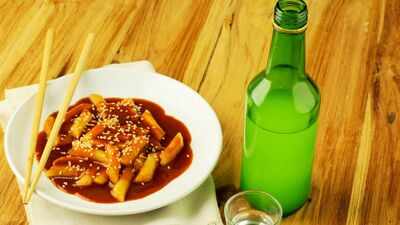
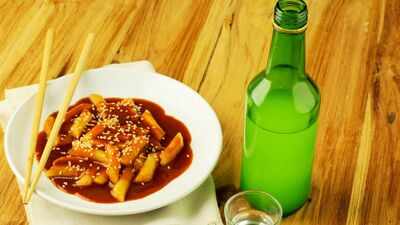
Although it seems hard to believe but the best-selling spirit brand in the world by volume is not whisky, rum, or vodka, but Jinro Soju. Soju has evolved from a traditional Korean drink into one that now feels at home in restaurants, bars, and dinner tables around the world. The growth story of this spirit comes as no surprise. It’s light and easy-going; it pairs well with most foods and can be enjoyed anywhere effortlessly and comfortably, which gives it a kind of broad appeal that many stronger drinks do not have. Soju is increasingly becoming popular in India as well, especially amongst the urban youth.
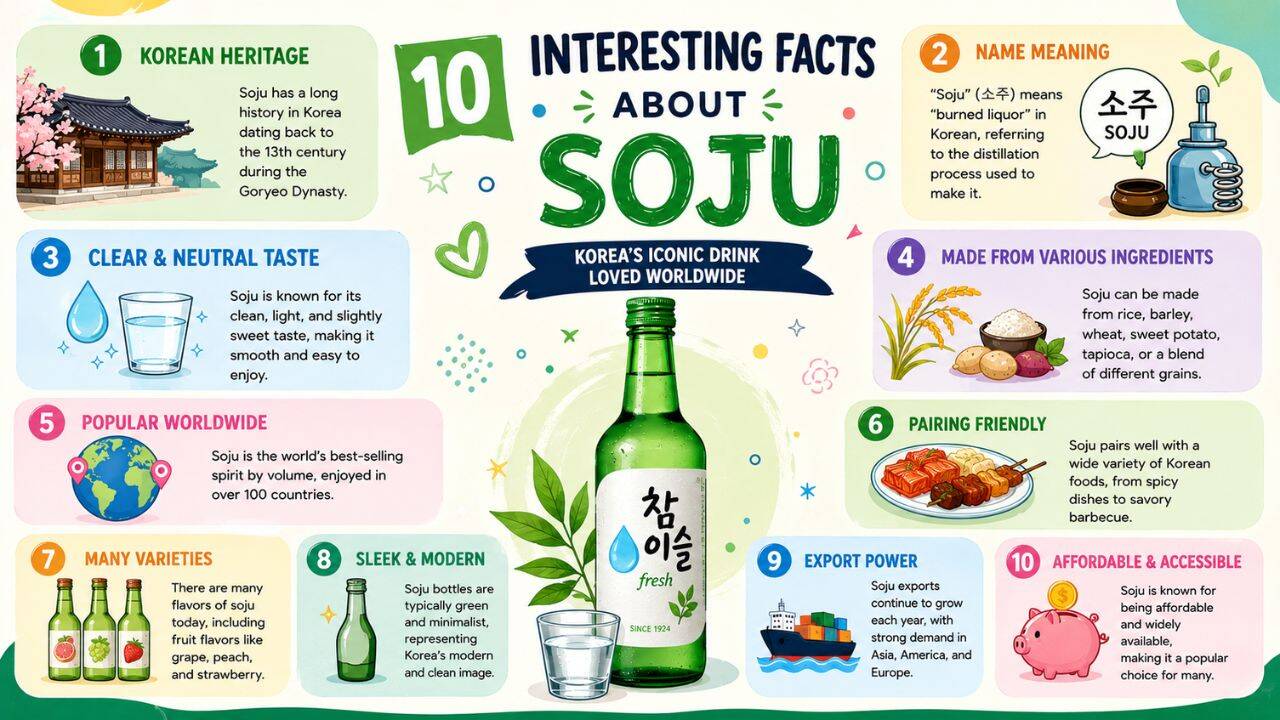
Why soju is so deeply ingrained in Korean culture (AI Generated)
Ever since the Korean dramas became popular, the mention of Soju became more frequent. But what is it exactly? Soju is an alcoholic drink. It is clear and distilled and has its origins in South Korea. Soju is so popular here that it is generally considered the national liquor of that country. Soju is known for its smooth taste and versatility, and its popularity has been growing worldwide, partly thanks to the global craze of Korean culture through K-dramas, K-pop and Korean cuisine. Whether served alongside Korean barbecue or enjoyed at social gatherings, soju is a staple of South Korea’s food and drinking culture.Traditionally, soju was made from rice, but producers began using other starches such as sweet potatoes, barley, wheat or tapioca when rice was scarce. Today many commercial brands use a mixture of these ingredients, along with purified water and yeast to make the spirit. Modern soju is typically 12–25 percent alcohol by volume (ABV), weaker than many spirits such as vodka or whisky, but stronger than beer and most wines.
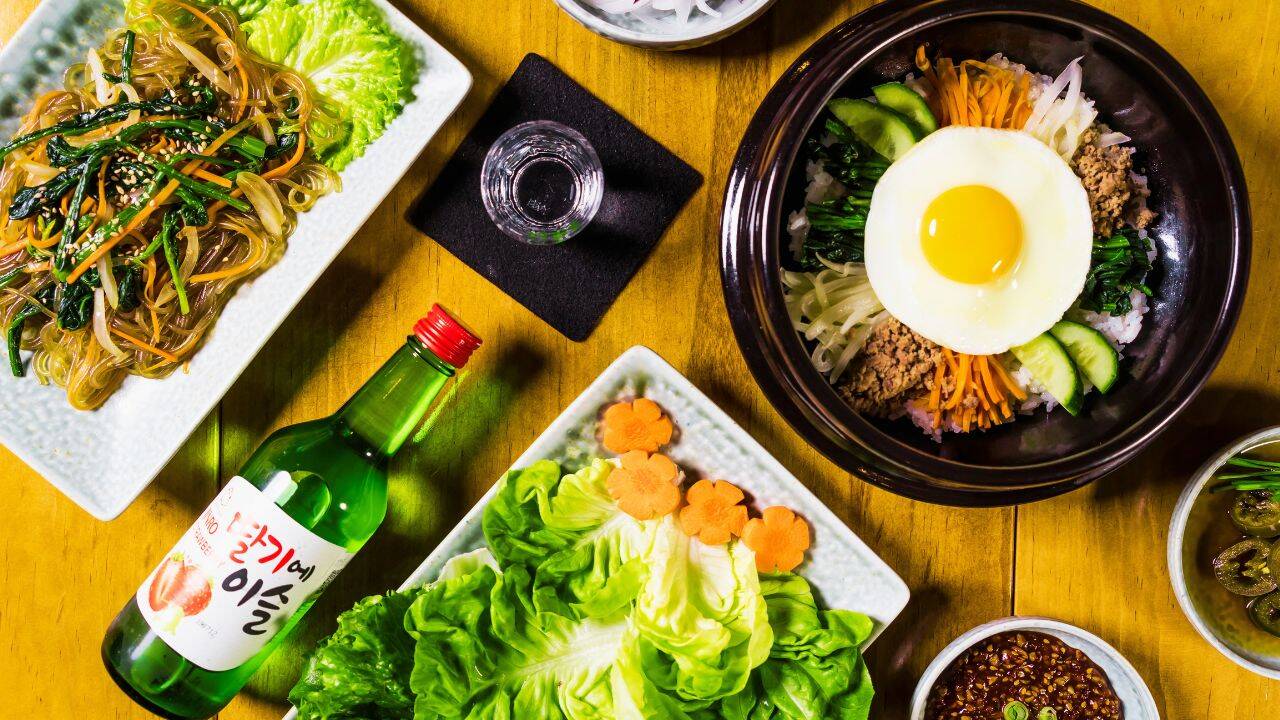
What makes Soju unique is its mild taste and light alcohol content (Canva)
One of the things that makes soju distinctive is that it has a clean, slightly sweet taste, which makes it go down easily. In recent years, fruit-flavoured varieties have become popular, especially with younger consumers and those new to the drink. Flavours include peach, strawberry, green grape, apple and plum.In Korean culture, soju drinking is accompanied by traditions that emphasise respect and togetherness. It is usual to pour drinks for others and not for yourself, and it is also usual for younger people to turn their heads slightly away from older people when taking a sip as a courtesy. Soju is often served with Korean fried chicken, grilled meats, seafood and spicy stews as its crisp taste pairs well with rich and spicy flavours.But why is this spirit is blowing up everywhere? Jaspreet Singh, Founder & CEO, Penguin Overseas, an Indian importer and distributor of premium wines and spirits lists out some valid reasons in detail.
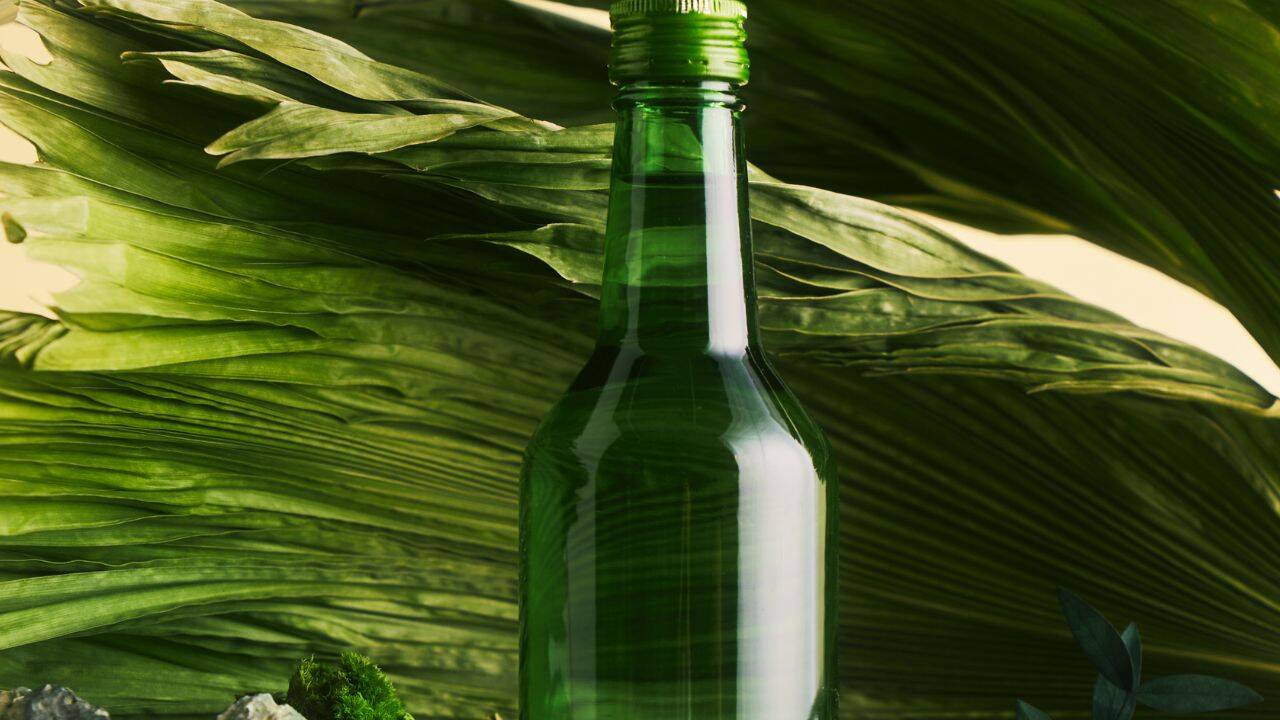
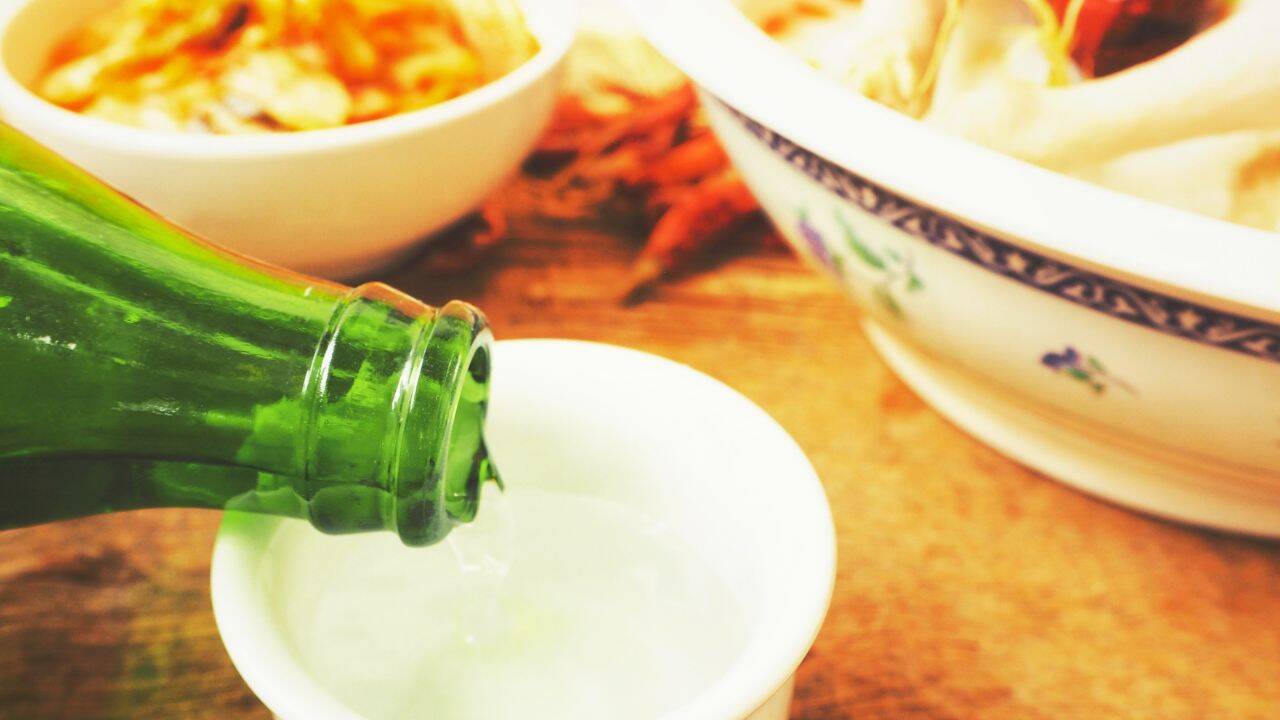
The green bottle quintessentially represents Soju (Canva)
1. Lower alcohol contentThe way people enjoy their alcohol has completely changed over the last ten years. Across metros younger consumers have started reaching for drinks that fit into a full evening rather than defining it. Hard seltzers, natural wines, session beers, botanical spirits I.e. an entire segment built around the idea that you can drink well and still be a functioning person the next morning.Soju fits right into this mindset. At 15–20% ABV, it sits in a place most established spirits don’t with more body than beer, far less intensity than a standard pour of whisky or gin. For anyone trying to be a bit healthier without staying home on a weekend, that lower alcohol level is the main selling point.2. Convenience has become a category in itselfThe ready-to-drink market is huge right now because people want a good drink without the hard work. Soju has worked this way from the beginning – No mixer required, no garnish, no decision about whether to go tall or short. You chill it, you pour it, you’re done. Soju is compact, easy to carry, and genuinely social – it works at a dinner table, a rooftop, a quiet night at home. The flavored range from peach, strawberry, green grape, yuzu gives you variety within the same effortless format. When consumers are always on the move, that kind of simplicity wins every time.
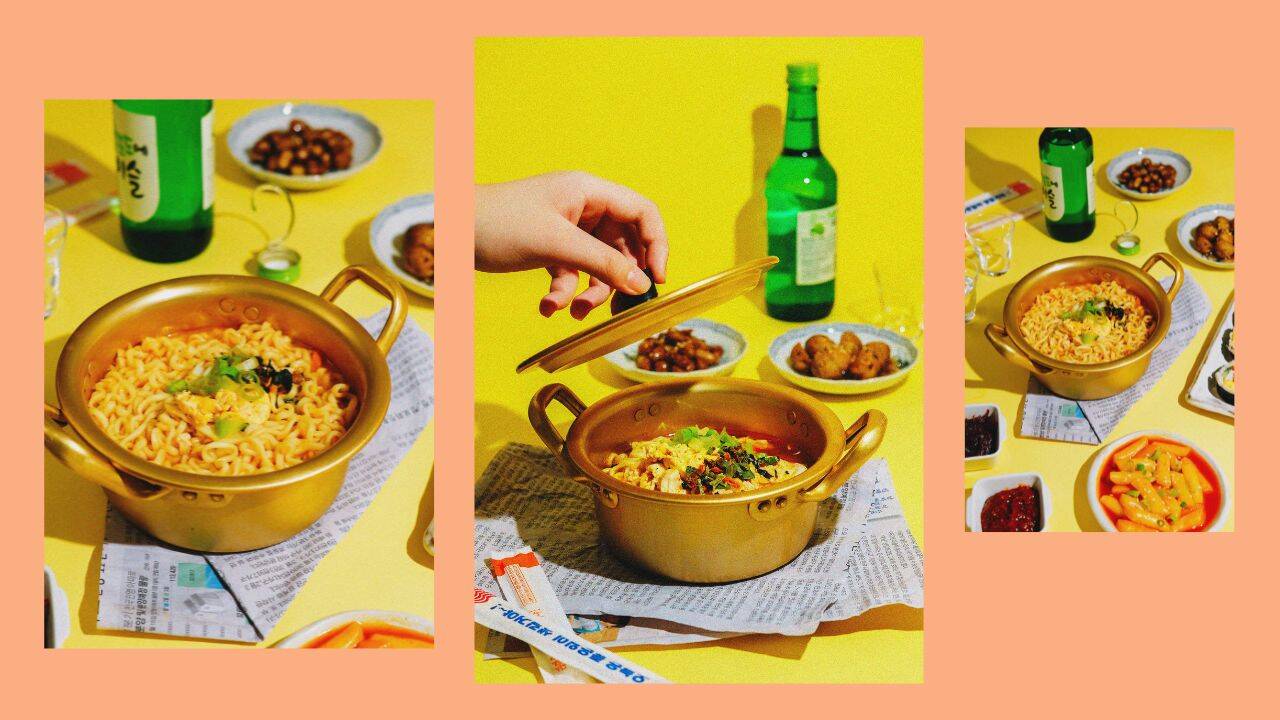
Pouring soju for others is more polite than pouring your own drink in Korean culture (Canva)
3. Flavor is the new way into a categoryThe old route into spirits was through commitment — you picked a category, went deep, and stayed loyal. Younger Indian drinkers, particularly in the 25–38 bracket, are moving across categories, drawn by flavor and variety rather than heritage or prestige. Flavored soju has played this intelligently. As compared to flavored vodka’s expansion in the early 2000s the soju versions taste noticeably less synthetic, they hold up alongside food rather than clashing with it.4. Indian bar shelf is ready for something new & differentFor the Indian drinker who has spent years rotating between the same familiar options — a whisky to impress, a beer to unwind, a vodka-soda when nothing else comes to mind, Soju arrives as something that doesn’t fit neatly into any of those slots. And that, for a growing number of consumers, is precisely the point. It isn’t a variation, Soju has its own character -lighter than what most drinkers are used to, naturally flavorful without needing anything added, and just unfamiliar enough to feel like a genuine discovery rather than a lateral move. For the Indian consumer who has already worked their way through craft beer, explored gin, and perhaps tried an Indian single malt, soju represents the next logical step outward. Soju sits at a price point that makes trying it a low-stakes decision — accessible enough to pick up without deliberation, good enough to come back to. Indian Soju brands have positioned itself well within this space, offering the Indian consumer an easy and honest entry into the category without the premium barrier.
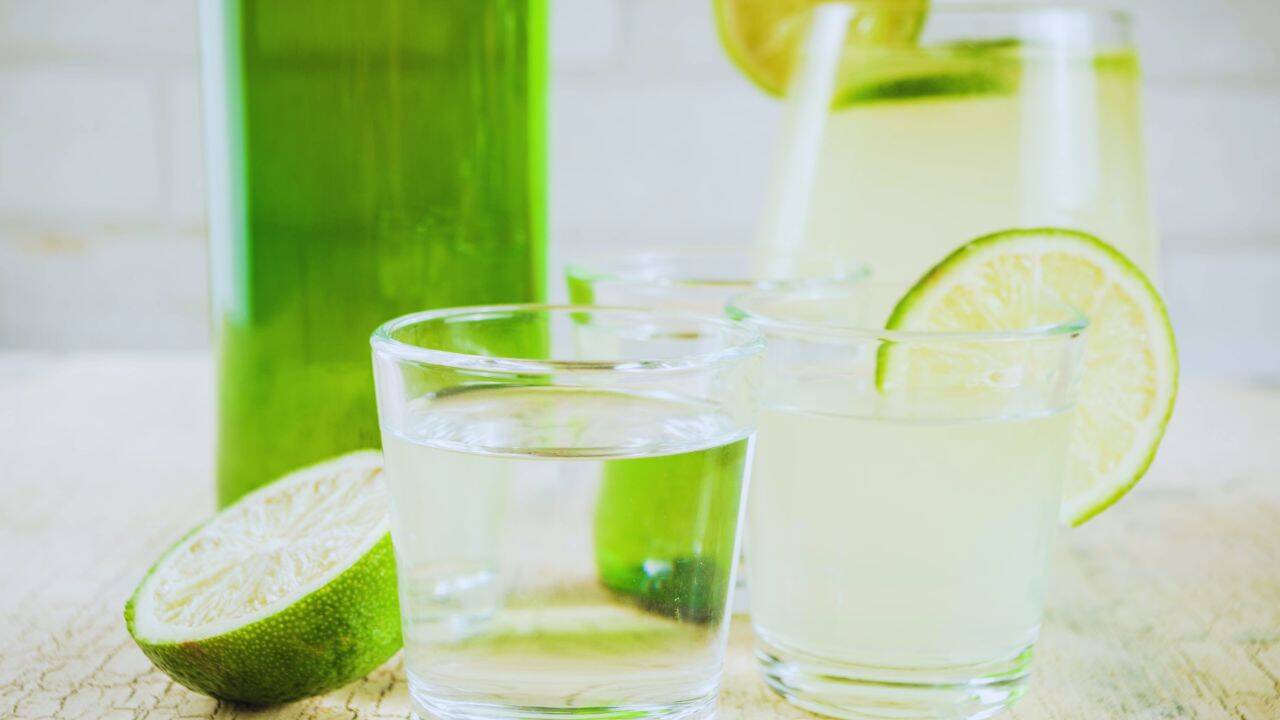
The ready-to-drink market is huge right now because people want a good drink without the hard work.(Canva)
5. The Indian drinker has changed and the glass has changed with themA decade ago, spirit consumers exhibited a high degree of brand loyalty, with Scotch serving as the industry benchmark. Domestic offerings were frequently met with skepticism, and unfamiliar product categories were largely overlooked. Product origin carried significant weight, with consumer preferences leaning heavily toward Western traditions.Why Indians may like Soju more in the coming yearsThe Korean Wave, or Hallyu, is one of the biggest factors behind the growing popularity of soju. Korean films, Korean dramas and K-pop groups like BTS and BLACKPINK have introduced millions of Indians to the culture of South Korea. In many popular dramas, viewers are often presented with characters pouring each other drinks of soju during celebrations, family dinners, or casual conversations. Consumers are curious and want to try the drink for themselves, thanks to repeated exposure to the culture.Another element that might help fuel soju’s growth is India’s evolving food culture. Korean restaurants have opened in major cities and dishes such as Korean fried chicken, ramen, kimchi, bibimbap and barbecue have found eager fans. Soju is traditionally served with these foods, and so many diners are turning to soju to complete an authentic Korean dining experience. As Korean cuisine continues to extend beyond metropolitan cities, soju might be more easily available. Changing drinking tastes among younger consumers could also help soju’s fortunes. It has a smooth taste and fruit-flavoured varieties such as peach, green grape, strawberry, apple and plum, which may appeal to those looking for lighter, sweeter alcoholic drinks. These flavours may be especially appealing to consumers who find traditional spirits too strong.India’s premium beverage market is also getting more experimental. Imported wines, craft beers, artisanal spirits and international cocktails are gaining popularity among urban consumers. As global travel increases and consumers are exposed to more international food and beverage trends on social media, they are more receptive to trying beverages from other cultures. Soju is no different and super easy to enjoy with friends without feeling like you are drinking the same old stuff. Bars and restaurants are also starting to mix soju into cocktails, blending it with fruit juices, bubbly drinks or other mixers. It’s versatile enough to appeal to venues that want to add something different to their drink list and to younger customers looking for something different.
South Korea consistently ranks among the world’s top consumers of spirits per head, with soju accounting for much of that (Canva)
However, the long-term success of soju in India will depend on several factors, including wider retail availability, competitive pricing, consumer awareness and state-level alcohol regulations, which vary widely across the country. Imported alcohol is frequently subject to high taxes, so affordability is an important consideration.
What is your favorite flavor of Soju?
3k+ users shared opinion today
5k+ users already voted today
3k+ users shared opinion today
Whisky is likely to continue to be the dominant spirit in India for the foreseeable future but soju looks set to carve out its own territory. The drink should have a wider audience, as Korean culture continues to influence entertainment, food, fashion and lifestyle. For many Indian consumers, soju may be more than a passing fad. It could be another option in an increasingly diverse and globally inspired drinking culture.Interesting facts about Soju
- Soju has been around for centuries.
- The word “soju” literally means “burned liquor,” a nod to the traditional distillation process.
- Traditional soju was originally made from rice, but is now also made from sweet potatoes, wheat, barley and tapioca.
- Jinro Soju is one of the world’s best-selling spirit brands, moving hundreds of millions of bottles a year.
- South Korea consistently ranks among the world’s top consumers of spirits per head, with soju accounting for much of that.
- Soju is traditionally served chilled in small shot glasses rather than on the rocks.
- Pouring soju for others is more polite than pouring your own drink in Korean culture.
- When drinking with elders, the younger people often tilt their heads slightly away while taking a sip as a sign of respect.
- Good soju pairings include Korean barbecue, fried chicken, spicy stews, seafood and grilled meats.
- The first written references to soju date back to the 13th century, when distillation techniques made their way to Korea.
- The green glass bottle is now a globally recognised, iconic symbol of contemporary soju.
- Soju, unlike many spirits, is clean and slightly sweet, and is approachable for the first-time drinker.