








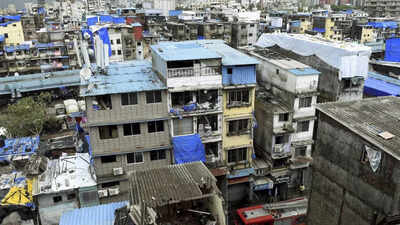
Renting a property in Maharashtra? You may come across the Pagdi system, a unique rental model that offers tenants long-term occupancy rights. The Pagdi system is a unique rental model found in Maharashtra, especially Mumbai.Under this system, while the landlord remains the owner of the land and building, the tenant enjoys strong occupancy rights after paying a one-time premium, called Pagdi. After the premium, the tenant continues to pay a nominal monthly rent.Although the tenant does not own the property, these tenancy rights are often long-term and can, in many cases, be even passed on to legal heirs.Although the term pagdi isn’t legally mentioned, the system is recognised under the Maharashtra Rent Control Act, 1999. Section 56 of the Act permits landlords to receive a premium for granting or transferring a tenancy. It also allows tenants to receive consideration for transferring or giving up their tenancy rights.The Act also provides tenants with protection against arbitrary eviction, allowing landlords to recover possession only on specific legal grounds.The redevelopment challengeOne of the reasons behind Mumbai’s vertical growth is geography. Mumbai is surrounded by the sea on three sides and lacks space due to the continuous influx of people. Redevelopment ensures an increase in the number of accommodations and is often undertaken to improve the living conditions of residents, who already live on the land.Redevelopment of pagdi buildings is another challenge because ownership and occupancy rights are divided between landlords and tenants. Any redevelopment project requires balancing the interests of both parties, along with those of developers and government authorities.Many buildings also have multiple legal heirs, long-pending tenancy disputes and decades-old rent agreements, making negotiations and approvals particularly complex.Additionally, many tenants continue to pay rents fixed several decades ago, while the market value of these properties has risen sharply. Landlords argue that such low rents make it difficult to maintain ageing buildings, whereas tenants rely on statutory protections to safeguard their homes.Recognising these challenges, the Maharashtra government announced a new redevelopment framework in 2025 to accelerate the redevelopment of old pagdi buildings. The proposed policy seeks to provide separate Floor Space Index (FSI) benefits for landlords and tenants, permit the use of Transferable Development Rights (TDR), and establish fast-track mechanisms to resolve landlord-tenant disputes.However, until the framework is formally implemented, existing pagdi tenancies continue to be governed by the Maharashtra Rent Control Act, 1999