









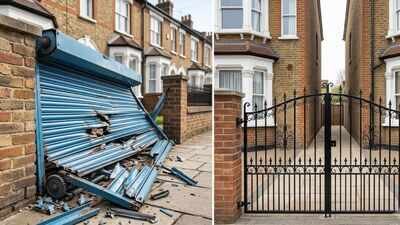
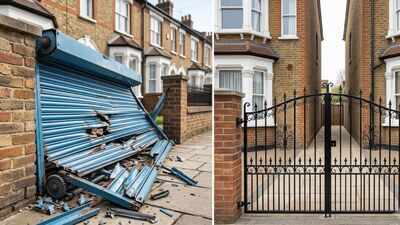
A London homeowner was found to have destroyed a neighbour’s roller shutter as new owners moved in. The dispute concerned access rights and gates between two homes in Disbrowe Road.The defendant, Adrian Robert Udal, removed the barrier on 25 August 2023 and later installed metal gates. According to a judgment by the Mayor’s and City of London Court, the removal was wrongful destruction and interfered with the neighbours’ property rights. Judge HHJ Parfitt found the owners had rights to use the passageway on foot and by vehicle, and to install gates where reasonably required. Udal was ordered to pay the couple £10,000 in total compensation, including £2,500 for the removed structure and £7,500 in general damages.
Neighbour removes couple’s entrance on their first day in new home
Nicholas George Kenly Partick-Hiley and Lise Marie Partick-Hiley completed the purchase of 1.5 Disbrowe Road on 25 August 2023. When they arrived to take possession, they found Udal and another person removing the roller shutter and door that separated their property from the street. The court heard that the claimants had previously been in discussions with Udal in an effort to address potential issues and establish a good neighbourly relationship. Udal owned and occupied 1 Disbrowe Road, which stood in front of the claimants’ home. Their property could only be reached through a driveway and passageway forming part of Udal’s freehold land.
Judge rejects neighbour’s argument over couple’s right of access
The dispute involved the meaning of rights recorded in a 1972 conveyance and a 1973 grant. Udal argued that the neighbours’ right to use the passageway did not include vehicles and applied only to part of the route. Judge Parfitt rejected that interpretation.The court found that the 1973 grant gave the owners of 1.5 Disbrowe Road the right to pass and repass over the disputed passage, on foot or with or without vehicles. The judge said the wording covered the whole route and reflected the practical need to reach the property. The court therefore confirmed that the neighbours were entitled to use the passageway for vehicle access as well as on foot.
Why did the judge reject the neighbour’s demands over gate placement
The claimants also argued that they had the right to put gates across the disputed passageway at a position they reasonably required. Udal maintained that any gates had to be fitted between two front pillars. The judge disagreed, finding that the relevant wording of the 1972 conveyance allowed the owners of 1.5 Disbrowe Road to install gates wherever they reasonably required them on the passageway.The court considered the location sought by the claimants reasonable. It also found that Udal’s own metal gates, installed on the front pillars in September 2023 without the claimants’ agreement, interfered with their rights. The gates were unnecessary and obstructed the claimants’ ability to exercise their rights.
Judge condemns neighbour’s conduct and orders £10,000 compensation
Judge Parfitt described Udal’s removal of the roller shutter and associated fittings as an inappropriate and wrongful act of wanton destruction. The court found that the removal amounted to trespass to property and that his wider conduct constituted nuisance and wrongful interference with the neighbours’ rights. It awarded the claimants £2,500 to reflect the cost of replacing the removed structure.The judge also awarded £7,500 in general damages, taking account of the upset and discomfort caused by Udal’s actions and their effect on the claimants’ enjoyment of their home. The court said declarations and injunctions were needed to protect the neighbours’ rights and limit the risk of similar interference happening again.Disclaimer: This article is based on a publicly available judgment by the Mayor’s and City of London Court. The Times of India has not independently verified the details of the property dispute, the parties involved, or the court proceedings mentioned in the article.