







The family of Ted Turner is preparing to sell around 20 landscape paintings that once hung in his Montana ranch home, with the proceeds set to support the conservation work of the Turner Foundation. The collection, made up entirely of works by 19th-century American painters Albert Bierstadt and Thomas Moran, is expected to fetch around $20 million at auction, as per AP News.The paintings, which include dramatic depictions of Yosemite Valley, the Grand Canyon and the American bison, will be offered by Christie’s in New York on 20 January 2027, as per their website. The sale, titled ‘Trailblazer: Ted Turner’s America’, marks the first time these works have been publicly offered, and it comes just months after Turner’s death in May. Read more details about it, as per the reports, here:
A collection shaped by the American West
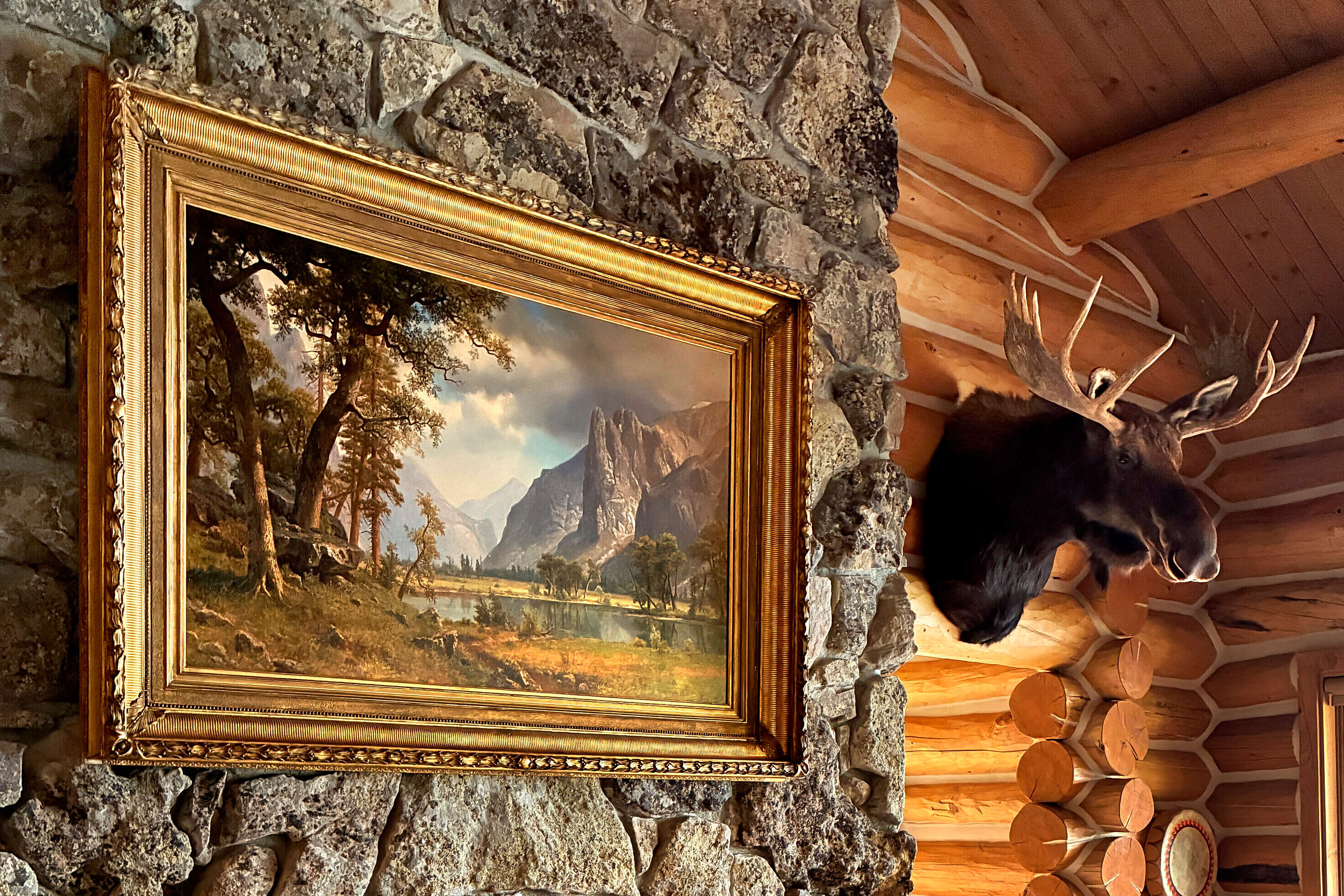
This photo provided by auction house Christie’s on Monday, Nov. 9, 2026, shows a painting hung at Ted Turner’s ranch near Bozeman, Mont. (Christie’s via AP)
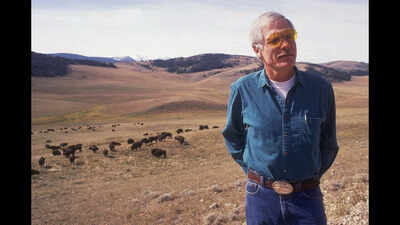
Ted Turner built his fortune in media, founding CNN and reshaping American television. But his heart, according to his family, always belonged to the wide open landscapes of the West. Over the years, Turner assembled one of the largest private land holdings in the United States, buying up ranches across Montana and beyond. He used these properties not just for personal enjoyment but as living laboratories for conservation, restoring habitats and reintroducing species like bison.The paintings that filled his ranch home reflected that passion. Works by Bierstadt and Moran captured the American West in its untouched form, before industry and settlement transformed the landscape.
The paintings that defined his home
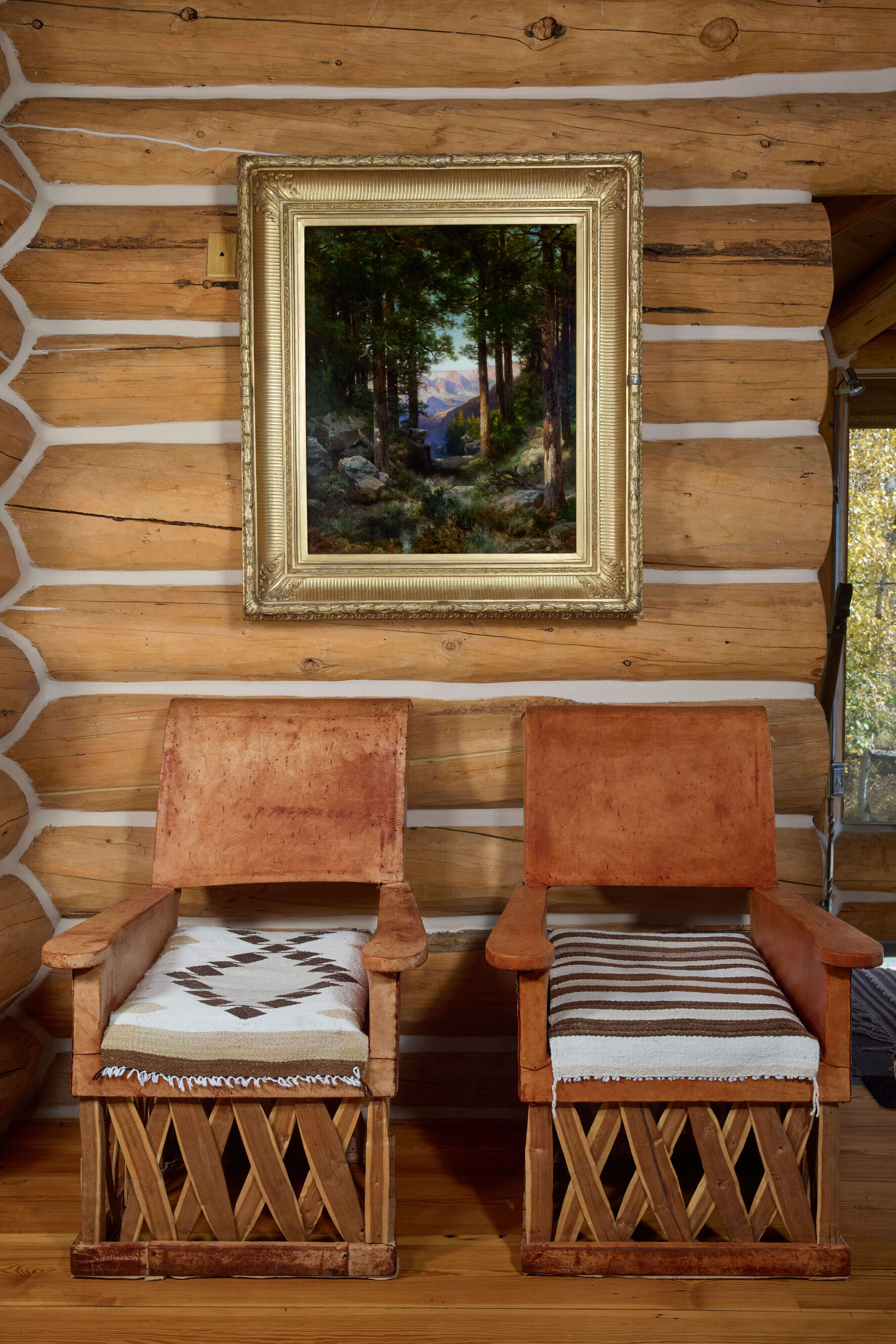
This photo provided by auction house Christie’s on Monday, Nov. 9, 2026, shows a painting hung at Ted Turner’s ranch near Bozeman, Mont. (Christie’s via AP)
The most significant piece in the collection is Bierstadt’s Yosemite Valley, painted in 1866. The work, estimated at between $4 million and $6 million, hung above the fireplace at Turner’s Flying D Ranch in south central Montana. Other notable pieces include Moran’s The Inner Gorge, Grand Canyon, also estimated at $4 million to $6 million, and Bierstadt’s Buffalo at Sunset, a smaller but highly regarded work depicting bison near a reflecting pool.Turner’s son, Teddy Turner, said the paintings were more than decoration. They represented a version of the West that his father admired, one where bison roamed freely and the land remained largely untouched by human industry.
Why the family is selling
The decision to part with the collection was not an easy one. Turner’s family said the paintings held deep personal meaning, both for their beauty and for what they represented about his love of nature and the outdoors. Still, the family sees the sale as a way to continue his legacy. Proceeds will go directly to the Turner Foundation, which focuses on protecting habitats, supporting communities and promoting sustainable living.The foundation was founded by Turner in 1990 and has been central to his philanthropic work. Selling the paintings is seen as another chapter in that effort, using assets he loved to fund causes he believed in.
Legacy of giving
Turner was a successful businessman and also a philanthropist. In 1997, he pledged $1 billion to the United Nations, a move that made headlines around the world.He also co-founded the Nuclear Threat Initiative in 2001, aimed at reducing the risk from weapons of mass destruction. Later, he signed the Giving Pledge, committing to give away the majority of his wealth to charitable causes.His family says he achieved that goal before his death. The sale of the paintings is being framed as a continuation of that commitment, turning personal treasures into funding for environmental work.
What the auction means for the art market
The sale is likely to attract attention from collectors, museums and investors alike. Works by Bierstadt and Moran are already highly regarded, and the association with Turner adds a layer of provenance that could push prices higher.Christie’s has described the collection as unprecedented in both quality and depth. The auction house sees it as a rare opportunity to acquire significant works by two of the most important American landscape painters of the 19th century.The timing also matters. Interest in the American West, its history and its conservation has been growing, and the sale taps directly into that cultural moment.
A final act of conservation
For Turner’s family, the auction is more than a financial transaction. It is a way to ensure that the values he lived by continue to have an impact after his death.The paintings will leave the ranch, but the money they generate will stay connected to the land. It will support conservation projects, habitat restoration and the kind of environmental stewardship that Turner spent much of his life pursuing.In that sense, the sale is less about parting with the past and more about extending his legacy into the future. The landscapes he loved will no longer hang on his walls, but they will continue to shape the world he tried to protect.