







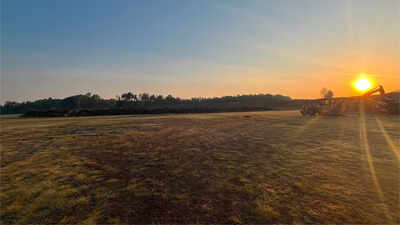
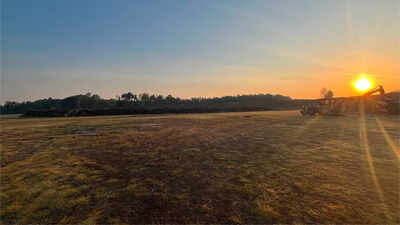
American chestnut trees in West Virginia face an uncertain future. An orchard at the former Clements State Tree Nursery in Mason County, established in the 1970s from surviving wild trees, stands on land sought by AI infrastructure developer Nscale. Conservation concerns centre on whether the mature trees can survive a proposed relocation.Nscale describes its Monarch Compute Campus as “one of the largest single AI infrastructure investments in US history, anchoring America’s compute foundation.” The company plans to invest more than $20 billion across a campus covering over 2,250 acres. State officials have announced a preservation plan, but chestnut specialists say moving the trees carries risks that require independent assessment.
Why the chestnut orchard matters
The original American chestnuts at Clements were planted in 1976. Researchers collected nuts from large surviving trees in West Virginia, Virginia and Maryland, hoping they carried some resistance to chestnut blight, the fungal disease that devastated the species.Many seedlings died, but some survivors now reach 60 feet. Nuts from the original planting established a second orchard in the 1990s, which has supplied seeds for restoration work across West Virginia for more than a decade.The American Chestnut Foundation describes Clements as a managed orchard that supports research, breeding, and seed production. Several chestnut species grow there, and the foundation distinguishes it from a naturally occurring wild population.West Virginia Public Broadcasting reported that the orchard contains roughly half a dozen surviving trees from the original planting and another 15 to 20 mature trees from the later planting. Although infected with blight, they continue producing nuts. Understanding their survival could help researchers working to restore American chestnuts.
What happens to the trees under the development plan
Last month, Governor Patrick Morrisey announced that the trees would be relocated within the property in late 2027, during their dormant season, under professional arborist supervision. Nscale would cover the cost, and access for collecting seeds and saplings would continue.Nscale has also rejected claims that it intends to destroy the orchard.“There’s never been a plan to and there will never be a plan to bulldoze or cut down the trees,” senior vice president Pete Hollis told West Virginia Public Broadcasting. The broadcaster reported concerns from local advocates and tree specialists about root damage and the trees’ ability to withstand relocation while affected by blight.In an update from last month, the American Chestnut Foundation recommended an independent evaluation. It said it knew of no documented examples of successfully relocating mature American chestnut trees, leaving the feasibility of the proposed move unresolved.